Food Truck Permits in Omaha, NE
Everything You Need to Know About Food Truck Permits in Omaha, NE
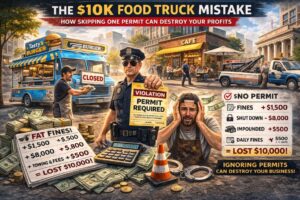
Starting a food truck business can be an exciting venture, especially in a vibrant city like Omaha, Nebraska, where the culinary scene is thriving. However, before you hit the road, it’s essential to understand the legal requirements, particularly regarding permits. This guide will walk you through everything you need to know about obtaining a food truck permit in Omaha, ensuring you’re well-prepared for your culinary journey.
Understanding Food Truck Regulations in Omaha
Omaha’s regulations for food trucks can vary depending on the specific location within the city. It’s vital to familiarize yourself with the local and state laws that govern food trucks to ensure compliance. Permits are crucial for operating legally, and they help maintain health standards and safety protocols.
Types of Permits Required
To operate a food truck in Omaha, you will likely require several permits and licenses, including:
- Business License: Every food truck owner must obtain a general business license from the city of Omaha. This license is essential to operate legally within city limits.
- Food Establishment Permit: This permit is vital for any business that sells food to the public. You will need to submit an application to the Omaha Public Health Department, which includes a plan review of your food truck.
- Mobile Food Unit License: Specifically for food trucks, this license helps regulate mobile food vendors. Each truck must be inspected and approved to ensure it meets health and safety regulations.
- Health Department Inspection: Prior to getting your food establishment permit, your truck will need to undergo a health inspection. Your food truck must adhere to specific health codes instituted by the Omaha Health Department.
- Sales Tax Permit: If you sell taxable goods, you’ll need a sales tax permit from the Nebraska Department of Revenue.
- Parking Permits: If you plan to operate in specific areas or events, you may need additional parking permits or permissions from private property owners.
Steps to Obtain Your Food Truck Permit
Navigating the permit process can be complex, but breaking it down into manageable steps can make it easier. Here’s a comprehensive outline to guide you through the necessary steps to obtain your food truck permit in Omaha.
Step 1: Research Local Regulations
Before you begin the application process, conduct thorough research on the specific regulations for food trucks within Omaha. Local municipal websites typically provide resources regarding licensing and regulations you need to know.
Step 2: Create a Business Plan
Developing a business plan will not only help clarify your business objectives but also may be required when applying for permits. Your plan should outline your menu, target market, pricing strategy, and financial projections.
Step 3: Obtain Necessary Documents
Gather all required documents for the application process, including proof of identity, business registration, and any required health inspections and food safety certifications.
Step 4: Apply for Your Business License
Submit your application for a business license with the City of Omaha. You might be able to complete this online or in person at a designated government office.
Step 5: Apply for a Food Establishment Permit
After securing your business license, apply for a food establishment permit through the Omaha Public Health Department. Be ready for an inspection of your food truck to ensure compliance with health codes.
Step 6: Apply for a Mobile Food Unit License
Apply for the mobile food unit license, which will include another inspection. This is crucial for ensuring your food truck meets all safety standards for food service.
Step 7: Secure a Sales Tax Permit
Visit the Nebraska Department of Revenue’s website to obtain a sales tax permit, which allows you to collect taxes from your customers legally.
Step 8: Review Parking Options
Understand where you plan to park and operate your food truck. Check if you need to apply for any additional parking permits through the city or private property owners.
Essential Considerations for Food Truck Owners
Once you have your permits in place, consider additional factors that can impact your food truck business:
Location Matters
Choose your locations wisely. High traffic areas with events or festivals can boost visibility and sales. On the other hand, operating in low foot-traffic areas may lead to low customer engagement.
Health and Safety Compliance
Regularly educate yourself about health codes and ensure your staff is trained in food safety practices. It not only helps in compliance but also builds customer trust.
Marketing Your Food Truck
With your permits secured, create a marketing strategy that will draw customers to your food truck. Utilize social media, local events, and collaborations with local businesses to promote your offerings.
Insurance Options
Consider investing in business insurance specific to food trucks. This protects you in the event of accidents, injuries, or lawsuits.
Networking with Other Food Truck Owners
Join local food truck associations or online forums. Networking can provide valuable insights, support, and potential collaborations with other food truck owners.
Final Thoughts
Navigating the permit process can be daunting, but securing your food truck permit in Omaha is a necessary step toward launching your mobile culinary business. Understanding and complying with the regulations will not only keep you within legal bounds but also ensure a safe and enjoyable experience for you and your customers.
By investing time in research, planning, and establishing relationships within the community, you’ll set the foundation for a successful food truck venture. With the vibrant food culture in Omaha, there’s plenty of opportunity waiting for you on the streets!
Remember, the journey of entrepreneurship is not just about selling food but about serving your community and creating memorable culinary experiences. Best of luck with your food truck business in Omaha!