Food Truck Permit in Long Beach, CA
Food Truck Permit in Long Beach, CA: A Comprehensive Guide
Starting a food truck business in Long Beach, California, is an exciting venture filled with opportunities. However, before you hit the streets serving delicious meals from your mobile kitchen, you must navigate the permitting process to comply with local regulations. This article will guide you through obtaining a food truck permit in Long Beach, ensuring your business is set up for success.
Understanding Food Truck Permits
What is a Food Truck Permit?
A food truck permit is an official authorization required by local government to operate a mobile food business legally. This permit ensures that your food truck adheres to health, safety, and zoning regulations established by the city.
Why is a Permit Necessary?
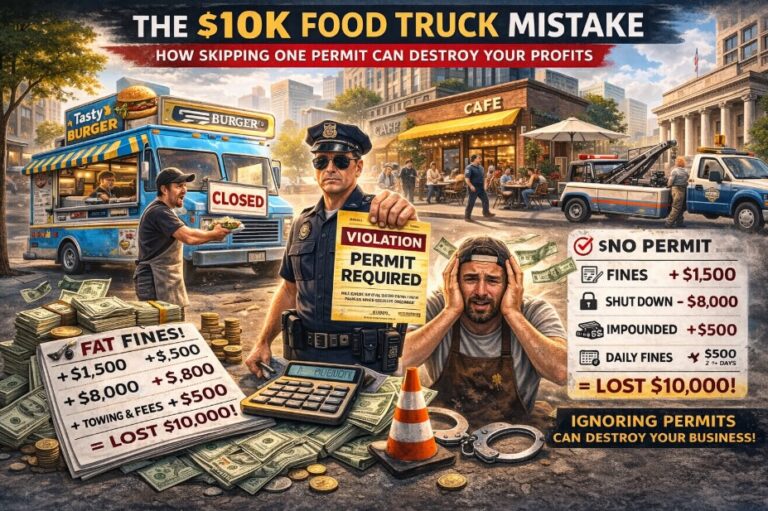
Operating without a permit can result in fines, shutdowns, and damage to your business reputation. By securing a food truck permit, you demonstrate your commitment to food safety and compliance with local laws, fostering consumer trust and preventing legal complications.
Types of Permits Required
In Long Beach, the following permits are typically required to legally operate a food truck:
1. Business License
Before applying for food permits, you must obtain a business license from the City of Long Beach. This license allows you to legally conduct business and is a prerequisite for other permits.
2. Health Permit
To ensure compliance with health standards, you must obtain a health permit from the Los Angeles County Department of Public Health. This permit confirms that your food truck meets sanitation and safety regulations.
3. Street Vendor Permit
In Long Beach, food trucks are considered street vendors. Therefore, you must apply for a street vendor permit, which regulates where and when you can operate. This permit is crucial for avoiding potential fines and ensuring you are legally parked.
4. Additional Permits and Licenses
Depending on your menu and services, you may require additional permits. For example, if you plan to serve alcohol, you will need a liquor license. Additionally, if you are operating in specific locations, such as parks, you may need a park concession permit.
The Application Process
Step 1: Gather Required Documents
Before submitting your applications, gather all necessary documents, including:
- Business Formation Documents (if applicable)
- Proof of Business Insurance
- Food Handler’s Certification
- Vehicle Registration and Title
- Menu and Descriptions
- Floor Plan of the Food Truck
Step 2: Complete Applications
Fill out the applications for each required permit. Ensure all information is accurate and complete, as any discrepancies can delay the process.
Step 3: Submit and Pay Fees
Submit your applications to the appropriate departments. Be prepared to pay any associated fees, which can vary based on the type of permit and the size of your business.
Step 4: Inspections
After submitting your applications, you will likely need to undergo inspections from various departments, including health and safety inspections. Ensure your food truck passes these inspections by adhering to health codes and safety standards.
Compliance with Health and Safety Regulations
Food Handling and Safety
Proper food handling is crucial for operating a successful food truck. Ensure you and your staff are trained in food safety practices, including:
- Regular hand washing
- Using gloves when handling food
- Proper food storage and temperature control
Vehicle Maintenance
Keeping your food truck in excellent condition is essential. Conduct regular maintenance checks to ensure everything is functioning properly, including refrigeration units, cooking equipment, and overall cleanliness.
Waste Disposal
Ensure you have a waste management plan in place. This includes disposing of grease and food waste properly and adhering to local waste disposal regulations to avoid fines.
Zoning Regulations and Where to Operate
Understanding Zoning Laws
Zoning regulations dictate where food trucks can operate within Long Beach. Familiarize yourself with these laws to avoid fines and potential shutdowns. Common restrictions may include:
- Prohibited areas (e.g., near schools or residential neighborhoods)
- Time restrictions for operating in certain zones
- Required distances from other food vendors
Best Locations to Set Up
Identifying strategic locations can significantly impact your food truck’s success. Consider setting up nearby:
- Festivals and events
- Parks
- Busy urban areas
- Construction sites or business districts
Reach out to local event organizers to secure permits for special gatherings or festivals where a food truck would attract customers.
Marketing Your Food Truck
Once you have your necessary permits, the next step is marketing your food truck to attract customers. Here are some effective strategies:
Social Media
Leverage social media platforms such as Instagram, Facebook, and Twitter to showcase your menu, share updates, and engage with your audience. High-quality photos of your dishes can attract potential customers.
Collaborate with Local Events
Participate in local events, farmers’ markets, and food truck festivals. Collaborating with event organizers can increase your visibility and help you reach a broader audience.
Create a Loyalty Program
Encourage repeat customers by creating a loyalty program that rewards them for frequent visits. This can increase customer retention and promote word-of-mouth referrals.
Conclusion
Obtaining a food truck permit in Long Beach, CA, may seem daunting, but it is manageable with the right knowledge and preparation. By understanding the necessary permits, complying with health regulations, and following local zoning laws, you can successfully navigate the process and launch a thriving food truck business. Remember to prioritize food safety and customer satisfaction as you embark on this delicious entrepreneurial journey. Good luck, and may your food truck be a resounding success!