
Sidewalk Vending Permit in San Jose, CA
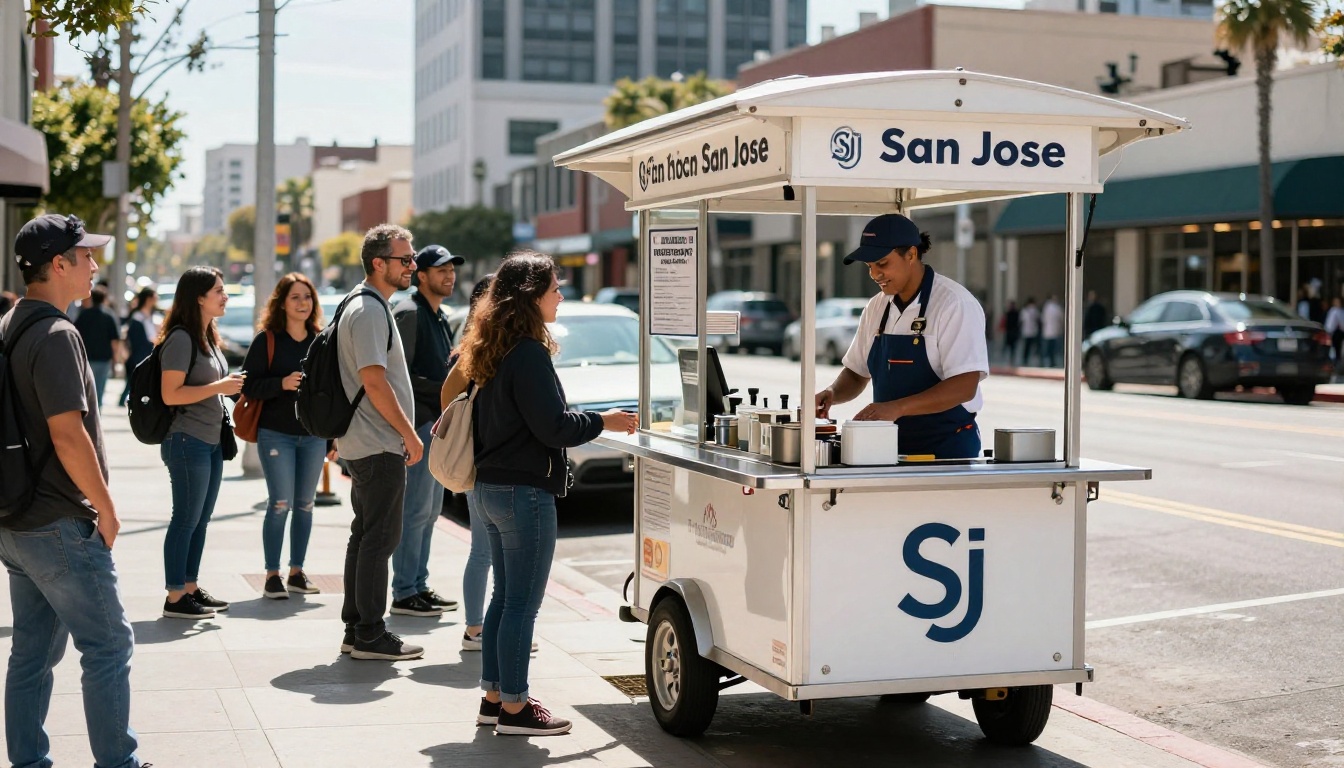
Navigating the San Jose Sidewalk Vending Permit: Your 2026 Guide to Getting Started
San Jose’s streets buzz with energy these days. Food carts line busy corners, offering everything from tacos to handmade crafts. After the pandemic shook up local economies, sidewalk vending has boomed as a way for folks to start small businesses fast. But you can’t just set up shop anywhere—city rules demand a sidewalk vending permit in San Jose to keep things safe and fair. This guide breaks down the whole process. You’ll learn how to apply, what rules to follow, and tips to avoid headaches. By the end, you’ll feel ready to launch your own spot legally.
Understanding San Jose’s Sidewalk Vending Ordinance
Evolution of Vending Regulations in San Jose
San Jose updated its vending laws big time after 2020. The city council passed new rules in line with state laws like AB 1614, which decriminalized street vending. These changes aimed to help small vendors recover while protecting public spaces. Before, fines were harsh for informal sellers; now, the focus is on registration over punishment.
The goal? Balance vendor dreams with city needs. Safety stays key—think clear paths for walkers and no blocks to emergency access. Accessibility matters too, so rules ensure spots near parks or downtown stay open to all. Business opportunity gets a nod, letting more carts pop up in high-traffic areas.
Key differences show in zones. Permitted areas include most commercial sidewalks with enough width. Prohibited spots cover school zones, certain parks, and busy intersections. Check the municipal code section 20.80 for maps—these lines keep chaos at bay.
Types of Sidewalk Vending Permits Available
San Jose offers a few permit types to match your setup. Food vending needs a full health-checked license for carts selling eats like coffee or sandwiches. Merchandise permits fit non-food items, such as jewelry tables or art displays.
Mobile setups roll with carts on wheels, perfect for downtown moves. Stationary ones stay put, like a fixed table in a market spot. Pick based on your gig—a coffee cart grabs the food mobile permit, while a jewelry seller goes for merchandise stationary.
Each type has tweaks. Food permits tie into county health rules. Merch ones stress display limits to avoid clutter. Match your activity right, or your app gets bounced back quick.
Core Requirements Before Application Submission
Start with basics before you file. Grab a City Business Tax Certificate if your sales top certain levels—it’s cheap and quick online. Proof of insurance is non-optional; the city wants coverage for accidents.
For food sellers, snag a health permit from Santa Clara County first. This covers safe prep and storage. Skip it, and your sidewalk app stalls out.
Health checks vary by menu. Hot dog stands need refrigeration proof. Fruit carts focus on washing setups. Line these up early to speed things along.
The Step-by-Step Sidewalk Vending Permit Application Guide
Locating and Completing the Official Application Forms
Head to the City of San Jose’s Finance Department website for forms. Search “sidewalk vending permit San Jose” on sanjoseca.gov— you’ll find the PDF there. Fill it out with exact details: your name, business type, and planned spots.
Accuracy counts big. Wrong addresses or vague descriptions lead to delays. Double-check zones against city maps before submitting.
Common slip-ups? Folks forget to list all equipment or skip contact info. Read instructions twice. Submit online or in person at City Hall—fees apply either way.
Navigating Zoning, Location, and Setback Rules
Zoning rules keep sidewalks smooth. Vendors must stay 10 feet from building doors and 5 feet from street poles. Space between carts hits 20 feet in busy areas to avoid crowds.
No-vending zones pop up near BART stations or in Japantown’s core. These spots prioritize foot traffic or events. Density controls limit carts per block in places like San Pedro Square.
Take downtown as an example. Vending thrives there, but officers monitor setups closely. Pick a spot, then measure setbacks. Apps often fail if locations clash with rules.
Fees, Insurance, and Background Checks
Application fees run about $150 for new permits in 2026. Renewals cost $100 yearly. Surety bonds add $500, covering damages if issues arise.
Insurance minimums? $1 million liability per incident. This shields you and the city from claims. Background checks scan for serious crimes—minor stuff usually slides.
Shop smart for coverage. Local brokers know San Jose vendor needs; they bundle policies cheap. Pay up front, or your permit sits in limbo.
Operational Compliance: Rules for Maintaining Your Permit
Health and Safety Standards for Food Vendors
Food vendors follow Santa Clara County health codes tight. Use approved carts with handwashing sinks. Waste bins go out daily—no litter allowed.
Potable water access is must-have. Tie into a commissary kitchen for refills and cleaning. Agreements with these spots prove you’re legit.
Recent Public Health guidelines stress temp logs for perishables. Keep meats below 41°F, or face fines. Train staff on basics to stay compliant.
Aesthetics, Signage, and Equipment Approval
Keep your setup neat—carts max 8 feet wide, 7 feet tall. Tables can’t block paths. Signs stay under 6 square feet, no flashing lights after dark.
City approves gear before use. Submit photos of your cart for okay. Noise rules cap at 65 decibels—quiet generators only.
This keeps streets pretty. Think of it like a tidy picnic, not a messy fair. Follow, and neighbors stay happy.
Vending Hours and Community Impact Mitigation
Hours vary by zone. Downtown allows 7 a.m. to 10 p.m. Residential areas cap at 8 a.m. to 8 p.m. No overnight spots anywhere.
Maintain flow—leave 4 feet clear for walkers. In busy spots like Willow Glen, shift if crowds build.
Mitigate impacts with simple steps. Bag waste quick. Chat with locals early. These habits build goodwill and cut complaints.
Enforcement and Permit Violations
Common Reasons for Citation or Permit Suspension
Officers ticket for zone slips most. Operating off your approved spot draws $250 fines. Waste mishandling ranks next—dumping on streets means suspension.
Forget to show your permit? That’s an easy $100 hit. High-vending areas like East Santa Clara see dozens of citations yearly, per city reports.
Food safety fails hit hard too. Unclean carts lead to shutdowns. Stay vigilant to dodge these traps.
The Appeals Process for Citations
Got a ticket you think is wrong? File an appeal within 15 days at the city’s administrative hearings office. Submit evidence like photos or witness notes.
Hearings happen in person or virtual. An officer reviews your case. Decisions come in weeks.
Snap pics of your daily setup—dated and clear. This proof strengthens appeals and prevents repeats.
Conclusion: Launching Your Legal Sidewalk Vending Business in San Jose
Secure the right permits first—it’s the unbreakable rule for sidewalk vending in San Jose. Jump in without them, and fines pile up fast. This step sets your base solid.
Ongoing rules on spots and safety keep you running smooth. Master them, and your business grows without snags. Long-term wins come from steady compliance.
Dive into official City of San Jose sites for the latest details. They’re your best bet for up-to-date info. Ready to vend? Grab those forms today and hit the streets legit. Your taco empire awaits.