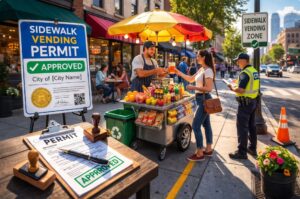
Sidewalk Vending Permit in Arlington, TX
Understanding the Sidewalk Vending Permit in Arlington, TX
As urban environments continue to evolve, the demand for flexible and innovative business models such as sidewalk vending has grown significantly. Arlington, Texas, known for its vibrant community and diverse culture, has adapted to this trend by establishing specific regulations that govern sidewalk vending. If you are contemplating starting a sidewalk vending operation in Arlington, it’s crucial to understand the permitting process, requirements, and regulations that apply to ensure compliance and success.
What is Sidewalk Vending?
Sidewalk vending refers to the practice of selling goods or food items from a temporary or mobile setup on public sidewalks or streets. These vendors can range from food trucks and carts to merchants selling handmade products or collectibles. Sidewalk vending not only provides entrepreneurs with a low-cost entry into the business landscape but also enhances the vibrancy of neighborhoods, offering convenience and unique shopping experiences to residents and visitors.
The Importance of a Sidewalk Vending Permit
In Arlington, as in many municipalities, operating a sidewalk vending business without a permit is illegal. The Sidewalk Vending Permit serves several purposes, including:
- Regulatory Compliance: Ensuring that vendors meet health and safety standards to protect the public.
- Zoning Approvals: Confirming that the vendor is allowed to operate in designated areas without disrupting traffic flow or pedestrian movement.
- Quality Control: Maintaining the aesthetic and quality of public spaces by controlling the types of businesses that can operate on sidewalks.
- Tax Collection: Helping the city track and collect sales tax from vendors, contributing to local revenue.
How to Apply for a Sidewalk Vending Permit in Arlington
Applying for a sidewalk vending permit involves a clear and systematic process. Here’s a step-by-step guide:
1. Review the Ordinance
Before applying, familiarize yourself with Arlington’s specific sidewalk vending ordinance. The City of Arlington’s website provides comprehensive details about the regulations, including prohibited activities, allowed equipment, and designated vending zones.
2. Gather Required Documentation
You will need to prepare the following documents for your application:
- Proof of Identity: A valid state-issued ID or driver’s license.
- Business License: A copy of your business license or a DBA (Doing Business As) registration.
- Health Permits: If selling food or beverages, obtain health permits from the Tarrant County Public Health Department.
- Liability Insurance: Proof of insurance coverage to protect against accidents or damages that might occur during your operation.
- Photographs: Images of your vending setup that demonstrates compliance with aesthetic and safety standards.
3. Submit Your Application
Once you have assembled the documentation, submit your application to the appropriate city department. Typically, this would be the City of Arlington’s Planning and Development Services or the Code Compliance Division. You can often find application forms on the city’s website or obtain them in person.
4. Pay the Fees
The application process requires the payment of a fee, typically ranging from $100 to $300, depending on various factors such as the type of vending, duration of the permit, and location. Be prepared to pay this fee at the time of application submission.
5. Wait for Approval
After submission, your application will be reviewed by city staff. During this period, the city may conduct a site inspection to ensure compliance with all regulations. Approval times can vary; typically, expect a waiting period of up to two weeks.
6. Receive Your Permit
Upon approval, you will receive your Sidewalk Vending Permit. This permit must be displayed prominently at your vending location whenever you are operating.
Regulations for Sidewalk Vending in Arlington
Once you have obtained your permit, it’s crucial to adhere to several regulations to maintain compliance and ensure a successful vending business:
Location Restrictions
Vendors are only allowed to set up in designated areas marked by the city. Key restrictions include:
- Not blocking pedestrian pathways or accessibility ramps.
- Maintaining a safe distance from intersections to avoid obstructing visibility for drivers.
- Avoiding placement near public parks, schools, or areas of heavy pedestrian traffic unless specifically allowed.
Operating Hours
Arlington may impose specific hours for vending operations to minimize disruption. Typically, vending is permitted during daylight hours only, but check with local regulations as these can vary significantly.
Safety and Health Compliance
Vendors must adhere to health and safety regulations, particularly if selling food. This includes:
- Regular inspections by health officials.
- Ensuring sanitary conditions in vending setups.
- Proper food handling and storage practices.
Equipment Regulations
City ordinances often specify limitations on equipment. For instance, carts and stands must meet safety standards and should have proper signage adhering to city guidelines.
Advantages of Sidewalk Vending
Operating a sidewalk vending business in Arlington offers several advantages:
Low Startup Costs
Compared to traditional brick-and-mortar businesses, sidewalk vending typically requires a lower initial investment. Costs are primarily associated with permits, equipment, and initial inventory.
Flexibility
Vendors have the opportunity to choose their location and adjust their offerings based on demand and local events, giving them the flexibility to succeed in various contexts.
Community Engagement
Sidewalk vendors often connect deeply with their community. Being present in neighborhoods fosters relationships with locals and creates a loyal customer base.
Valuable Market Insight
Vendors can gather on-the-spot consumer feedback, allowing for quick adjustments in products or services based on customer preferences.
Challenges of Sidewalk Vending
While sidewalk vending has its advantages, it also poses challenges:
Regulatory Compliance
Navigating the regulatory landscape can be daunting and may require ongoing adjustments based on city requirements.
Seasonality
Weather can significantly impact sales for outdoor vendors, necessitating adaptation and planning for slower seasons.
Limited Space
Finding suitable locations can prove difficult, especially during popular events or peak times when competition may be high.
Conclusion
Starting a sidewalk vending business in Arlington, TX, can be a rewarding venture for entrepreneurs when done correctly. By understanding the permitting process, adhering to regulations, and engaging with the community, vendors can create successful and sustainable operations. Remember to stay informed about any changes in local ordinances or regulations and continuously adapt to meet the needs of your customers. With careful planning and execution, sidewalk vending can not only contribute to your income but also enrich the Arlington community.
For further information, potential vendors are encouraged to reach out to the City of Arlington’s Planning and Development Services Division or consult their website for the latest updates and resources.