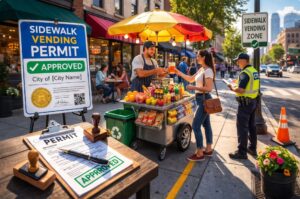
Sidewalk Vending Permit in Buffalo, NY
Sidewalk Vending Permit in Buffalo, NY: Navigating the Process for Your Business
The bustling streets of Buffalo, New York, have witnessed a significant rise in the popularity of sidewalk vending. This vibrant form of entrepreneurship not only contributes to the local economy but also enhances the cultural and recreational fabric of the city. However, prospective vendors must understand the requirements and processes involved in obtaining a sidewalk vending permit. This guide will walk you through everything you need to know to successfully navigate this important step.
What is Sidewalk Vending?
Sidewalk vending refers to the sale of goods or services from a temporary setup on public sidewalks. This can encompass a wide range of offerings, from food carts and handmade crafts to services such as massage therapy or art displays. The appeal of sidewalk vending lies in its relatively low startup costs and the ability to reach customers in high-traffic areas.
The Importance of a Sidewalk Vending Permit
In Buffalo, as in many other cities across the United States, vending without a permit can lead to fines and other legal troubles. A sidewalk vending permit not only legitimizes your business activities but also helps ensure public safety and accessibility. It establishes guidelines for vendors and helps maintain order on city sidewalks.
The Process of Obtaining a Sidewalk Vending Permit in Buffalo
1. Research and Preparation
Before diving into the application process, it’s essential to familiarize yourself with local regulations surrounding sidewalk vending. In Buffalo, the Office of Rental Registration and Licensing oversees the vending permit applications. Their website provides valuable resources, including:
- Details about allowable vending locations
- Specific rules and regulations
- Contact information for inquiries
2. Eligibility Requirements
To be eligible for a sidewalk vending permit in Buffalo, applicants must meet certain criteria:
- Age: Applicants must be at least 18 years old.
- Business Registration: Vendors need to legally register their business with the state of New York.
- Insurance: Proof of liability insurance may be required, depending on the nature of your vending activity.
- Compliance with Health Regulations: If you plan to sell food items, compliance with health codes and obtaining a food handler’s permit will be necessary.
3. Application Process
The application process consists of several steps that must be completed meticulously to avoid delays:
- Fill Out the Application: Obtain and complete the sidewalk vending permit application form from the Buffalo city website or the Office of Rental Registration and Licensing.
- Prepare Necessary Documents: Along with the application, vendors typically need to submit:
- A copy of business registration
- Proof of liability insurance
- A floor plan or description of your vending setup
- Identification (such as a driver’s license)
- Pay the Application Fee: Be prepared to pay a non-refundable application fee, which varies depending on the type of vending you plan to do.
- Submit Your Application: Applications can be submitted by mail or in person to the relevant city office. Review all materials to ensure everything is in order.
4. Waiting Period
Once your application is submitted, a review period will commence. This waiting period can take several weeks, during which city officials may evaluate your application and documents. It’s a good idea to follow up with the office if you do not receive communication within the specified timeframe.
5. Approval and Permit Issuance
If your application is approved, you will be issued a sidewalk vending permit. This permit will outline the conditions under which you can operate. Familiarize yourself with these conditions to ensure compliance and avoid potential penalties.
6. Renewal and Ongoing Compliance
Sidewalk vending permits in Buffalo are typically valid for a specific duration, often requiring annual renewal. Be aware of renewal deadlines and maintain compliance with all regulations to ensure your permit remains valid.
Vending Locations and Restrictions
Understanding the geography of Buffalo is essential for successful vending. Not all sidewalks are available for vending, and there are designated zones where vendors are allowed to operate. Here are some critical considerations regarding locations:
1. High-Traffic Areas
Vending in busy areas increases visibility and customer engagement. Areas around:
- Larkinville
- Canalside
- Buffalo’s Downtown
- Major festivals and events
2. Obstruction Laws
Vendors must abide by regulations that prevent obstructions on sidewalks. It’s essential to ensure that your setup does not hinder pedestrian traffic, access to buildings, or the functionality of public spaces.
3. Food Vending Regulations
For those who wish to sell food, compliance with the Erie County Department of Health regulations is crucial. Vendors must also be aware of specific health and safety codes regarding food preparation, storage, and handling.
Benefits of Sidewalk Vending
Sidewalk vending offers numerous advantages for both the city and vendors:
1. Economic Opportunities
For many individuals, sidewalk vending represents an accessible pathway to entrepreneurship. Vendors can earn income with a relatively low initial investment and can test their business ideas in real-time.
2. Community Engagement
Vendors often become integral parts of their communities, offering unique products and services that enhance the local culture. Furthermore, sidewalk vending contributes to the vibrancy and liveliness of public spaces, attracting residents and tourists alike.
3. Flexibility
One of the main draws of sidewalk vending is the flexibility it offers. Vendors can choose their hours, locations, and products based on demand and personal preferences.
Challenges of Sidewalk Vending
While the benefits are compelling, potential vendors should also be aware of the challenges associated with sidewalk vending:
1. Competition
The ease of entry into sidewalk vending means that competition can be fierce, especially in popular areas. Vendors need to develop a strong brand and unique offerings to stand out.
2. Weather Dependence
Vending is often subject to the whims of weather, as adverse conditions can deter customers. Vendors may need to develop strategies to deal with weather fluctuations, including having a plan for bad weather.
3. Regulatory Compliance
Navigating the rules and regulations governing sidewalk vending can be complex. Failure to comply can result in fines or permit revocation.
Conclusion
Buffalo’s sidewalk vending scene offers a unique opportunity for budding entrepreneurs to engage with their community while contributing to the city’s cultural landscape. By understanding the requirements and processes for obtaining a sidewalk vending permit, you can establish a successful venture that thrives in one of New York’s most vibrant urban landscapes.
For further assistance or specific inquiries, potential vendors may reach out to the Office of Rental Registration and Licensing at [phone number or email], or visit their website for up-to-date information and resources. Embrace the adventure of sidewalk vending, and contribute to the lively streets of Buffalo, NY!