Food Truck Permit in Buffalo, NY
Food Truck Permit in Buffalo, NY
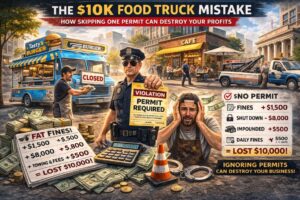
The food truck industry has seen substantial growth over the last decade, providing a unique opportunity for culinary entrepreneurs to showcase their talents in a mobile setting. If you’re looking to start a food truck business in Buffalo, NY, one of the first steps you need to take is obtaining the proper permits. Navigating the permitting process can be daunting, but understanding the requirements can help ease the journey. In this article, we will explore everything you need to know about acquiring a food truck permit in Buffalo.
Understanding Food Truck Permits
Food truck permits are essential licenses that authorize vendors to operate food trucks in specific locations. Various cities have different regulations, and Buffalo is no exception. It is crucial to understand the types of permits required and the procedures to obtain them to ensure a smooth operation without infringing on local laws.
Types of Permits Required
- Mobile Food Vendor Permit: This is the primary permit required to legally operate a food truck in Buffalo. The applicant must comply with guidelines provided by the Buffalo City Health Department, ensuring the safety and hygiene of the food being sold.
- Food Handler’s Permit: All employees handling food must have a Food Handler’s Permit. This certification ensures that they understand food safety practices, reducing the risk of foodborne illnesses.
- Business License: A general business license is often required for operating any commercial venture, including food trucks. This license legitimizes your business and allows you to collect sales tax.
- Sales Tax Permit: Obtaining a Sales Tax Permit from the New York State Department of Taxation and Finance is vital for collecting and remitting sales taxes.
- Commercial Vehicle License: Since food trucks are considered commercial vehicles, a commercial vehicle license or registration may also be required, depending on the weight and size of the vehicle.
- Zoning and Location Permits: Depending on where you plan to set up your food truck, you might need additional permits related to zoning laws and location restrictions. Some areas may have specific regulations regarding food truck operations.
Steps to Obtain a Food Truck Permit in Buffalo
Navigating the permitting process can seem complicated, but breaking down the steps can help clarify what needs to be done.
Step 1: Develop a Business Plan
Before applying for a permit, it’s wise to create a comprehensive business plan. This plan should include your concept, target market, menu offerings, and location strategies. A solid business plan not only helps clarify your vision but will also be useful when discussing your application with state and local officials.
Step 2: Choose Your Food Truck
Selecting the right food truck is vital to your success. Whether you purchase a new or used truck, ensure it meets all health and safety standards. You may need to modify the vehicle to accommodate cooking equipment and ensure adequate safety measures are in place.
Step 3: Complete Required Training
Consider enrolling yourself and your employees in relevant training programs for food safety. Obtaining a Food Handler’s Permit will require passing an exam, ensuring you and your employees can serve food safely.
Step 4: Gather Required Documentation
Before submitting your application, gather all required documents and ensure they are complete. This may include:
- Proof of ownership or lease of the food truck
- Health department permits
- Food safety certifications
- Business identification documents
Step 5: Apply for the Mobile Food Vendor Permit
With all your documents in place, it’s time to apply for the Mobile Food Vendor Permit through the Buffalo City Health Department. Complete the application and pay any associated fees. Make sure to keep a copy for your records.
Step 6: Schedule a Health Inspection
Once your application is submitted, you’ll need to schedule a health inspection. Health officials will evaluate your food truck for cleanliness, safety practices, and compliance with food safety regulations. It’s essential to ensure everything is in top shape before the inspection to facilitate approval.
Step 7: Finalize Additional Permits
While waiting for your Mobile Food Vendor Permit, start finalizing any additional permits needed, such as the Sales Tax Permit and any zoning or location permits specific to your operating area.
Step 8: Set Up Operations
Once all permits are secured, you can begin preparing your food truck for business. This includes stocking the truck with necessary equipment, supplies, and, of course, delicious food! Make sure to promote your food truck before launching to attract potential customers.
Costs Associated with Food Truck Permits
The costs of starting a food truck business can accumulate quickly. Understanding the expenses associated with permits can help you budget accordingly:
- Mobile Food Vendor Permit: Application fees may range from $100 to $500, depending on the specifics of your operation.
- Food Handler’s Permit: Costs can vary based on the course you choose; typically, they range from $15 to $50 per individual.
- Business License: Expect to pay approximately $100 to $200 to obtain a business license.
- Sales Tax Permit: This is generally free to apply for in New York State, but you will need to manage your tax responsibilities once established.
- Vehicle Registration: This will depend on the vehicle’s weight and size and could range from $30 to $1,000.
Compliance After Obtaining Permits
Once your food truck is operational, compliance with health and safety regulations is mandatory. Regular inspections may be scheduled by the health department to ensure compliance with local laws. It is also important to keep up with the renewal of your permits according to their expiration dates to avoid penalties.
Importance of Local Regulations
Staying informed about local regulations is vital for food truck operators. Regulations can change based on various factors, including city decisions, health trends, or zoning changes. Networking with other food truck owners can provide valuable insights and keep you updated on changes.
Best Practices for Success
To thrive in the food truck business, consider implementing these best practices:
- Create a Strong Brand: Develop a unique brand identity that resonates with your target market. This includes an eye-catching truck design, a memorable logo, and a cohesive online presence.
- Engage with the Community: Participate in local events, festivals, and markets. Engaging with your community fosters support and can lead to a loyal customer base.
- Utilize Social Media: Promote your food truck through social media platforms to gain visibility. Share daily menus, special events, and customer interactions to build excitement around your business.
- Monitor Finances: Keep detailed records of expenses, sales, and profits. This will help you manage your budget effectively and identify areas for improvement.
- Gather Customer Feedback: Engage with your customers to understand their preferences and experiences. Use this feedback to adapt your offerings and improve your service.
Conclusion
Starting your own food truck business in Buffalo, NY can be a rewarding and profitable venture with the right preparation and permits. Understanding the permit requirements and navigating the application process can significantly ease your transition into this exciting industry. Following the outlined steps and staying compliant with local regulations will help ensure your food truck is a success.
Take the time to develop a clear business plan, stay informed on local rules, and engage with your community. Whether you’re serving gourmet dishes or classic comfort food, starting a food truck can offer a fulfilling culinary journey. Best of luck on your food truck adventure!