Food Truck Permit in Chicago, IL
Navigating the Maze: Your Essential Guide to Obtaining a Food Truck Permit in Chicago, IL
Chicago’s streets buzz with the smells of sizzling tacos and fresh donuts from food trucks. High foot traffic spots like Millennium Park and events such as Taste of Chicago draw huge crowds to these mobile kitchens. But before you fire up your grill, you must tackle the city’s rules for a Chicago food truck permit.
This guide breaks down the whole process. You’ll learn the steps, papers you need, and costs involved. By the end, you’ll feel ready to get your mobile food dispenser license and join the Windy City’s tasty truck lineup.
Section 1: Understanding Chicago’s Mobile Food Dispenser License Requirements
The Chicago food truck permit falls under the mobile food dispenser license from the Department of Business Affairs and Consumer Protection (BACP). It covers trucks that sell ready-to-eat food from a vehicle. You need this if your business parks on public streets or lots to serve customers.
Defining a Mobile Food Dispenser vs. Caterer
A mobile food dispenser sells food directly from the truck to passersby. Think hot dogs or coffee on the go. Caterers, on the other hand, prepare and deliver meals to events without vending on-site. The city sees a big difference: dispensers face street rules, while caterers skip some inspections. If you plan to park and sell, stick to the dispenser path to avoid fines.
Chicago’s code defines it clearly in the municipal rules. Your truck must cook or heat food on board. Pre-packaged items only? That might change your category. Always check with BACP to match your setup.
Essential Pre-Application Criteria and Zoning Restrictions
Start with the basics before applying. You need a spot for food prep and cleaning called a commissary. It’s not optional—every truck must use one to meet health standards. Also, keep 200 feet away from fixed restaurants to avoid blocking their business.
Zoning maps show where trucks can operate. Downtown areas have tight rules, but neighborhoods like Logan Square offer more freedom. Tip: Pull up the latest zoning maps on the city’s website. Save money by picking a truck that fits these zones from day one.
Health Department Certification (CDPH Approval)
The Chicago Department of Public Health (CDPH) must sign off first. They check your plans for safe food handling. Get a food service sanitation certificate before moving to BACP.
You or your staff need ServSafe or a similar food manager cert. It proves you know how to stop foodborne illness. CDPH reviews your truck’s layout too. Expect questions on refrigeration and handwashing stations. Pass this, and you’re set for the next phase.
Section 2: The Step-by-Step Application Process for Your Chicago Food Truck Permit
Getting your Chicago food truck permit takes clear steps. Follow them in order to speed things up. Miss one, and you’ll restart.
Securing Necessary Documentation: Permits and Certifications Checklist
Gather these papers before you apply:
- Business registration if you’re an LLC or corp.
- Valid driver’s license for the operator.
- Signed commissary agreement from a licensed kitchen.
- Vehicle details like VIN and registration.
- Proof of insurance for the truck and liability.
- ServSafe or food handler certificates for key staff.
Scan everything clearly. Double-check dates to avoid delays. If you’re solo, your own certs work fine. For teams, cover everyone who handles food.
Submitting the Application and Fee Structure
Apply online through the BACP portal or visit their office at 211 W. Wacker Drive. Fill out the mobile food dispenser form with your info. Upload docs and pay the fee.
As of early 2026, the annual license costs about $650. Add $200 for the vehicle sticker. Fees can shift, so check the site for updates. Pay by card online—it’s quick. Once submitted, track your status in the portal.
The Vehicle Inspection Process (Fire and Health)
Two inspections come after approval: fire from the Fire Department and health from CDPH. Schedule them once your app is in. The fire check looks at suppression systems and gas lines.
Health inspectors scan for clean surfaces and proper storage. Common fails include bad ventilation or missing thermometers. Prep tip: Clean your truck thoroughly. Test all equipment days before. Fix issues like a faulty fire extinguisher right away. Many trucks pass on the first try with good prep.
Section 3: Navigating Commissary, Commissary, and Commissary Logistics
A licensed commissary is key in Chicago. It’s your base for daily ops. Without one, no permit.
Selecting and Vetting a Licensed Commissary Kitchen
Pick a commissary with what you need: three-compartment sinks for washing, hot water, and grease traps. It must store your truck overnight too. Look for spots approved by CDPH.
Visit a few to see the setup. Ask about hours—early mornings suit busy trucks. Tip: Join other operators there for better rates. Some commissaries cut deals for groups. This saves you cash and builds connections.
Waste Disposal and Grease Trap Management Compliance
Chicago watches waste closely to keep sewers clean. Empty grease traps at your commissary, not on streets. Use city-approved haulers for food scraps.
Fines hit hard for dumping wrong. Track your schedule: clean traps weekly if busy. Log everything for inspections. Proper handling keeps your permit active and the environment safe.
Section 4: Insurance, Bonding, and Liability in Chicago Operations
Protect yourself from risks with solid coverage. The city demands it for food trucks.
Mandatory Insurance Coverages for Food Truck Operators
Get general liability insurance with at least $1 million per event. Commercial auto needs $500,000 for your vehicle. If you have employees, add workers’ comp.
Shop quotes from providers like Progressive. List the City of Chicago as extra insured. This covers slips or food issues. Skip it, and your app gets denied.
Understanding City Vending Bonds and Indemnification
You need a $5,000 surety bond for vending. It protects the city if you cause damage. Or use an insurance cert instead.
The bond says you’ll follow rules. Get it from a bond company. Indemnify the city in your policy too. This means you cover their losses. Set this up early—it’s straightforward but required.
Section 5: Post-Permit Compliance and Operational Regulations
Once you have your Chicago food truck permit, keep it valid. Follow rules daily to stay open.
Display Requirements and Permit Visibility
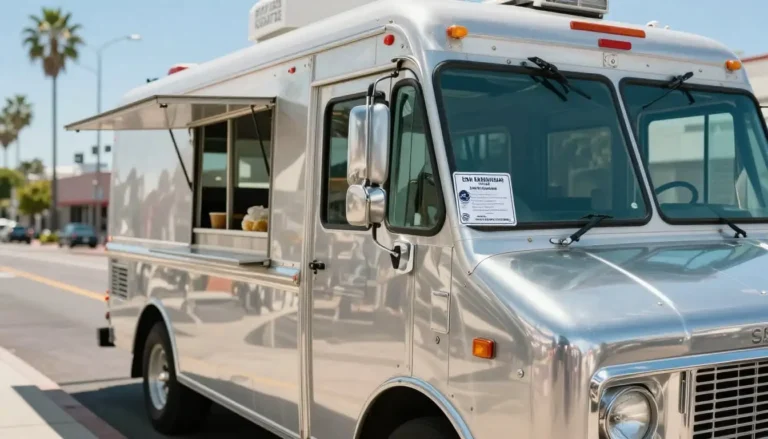
Show your license on the truck’s side window. Make it visible from the street. Include the sticker on the windshield.
Fines come for hiding it. Renew the sticker yearly. Clear plastic covers protect it from weather. Customers trust seeing official marks.
Managing Locations: Street Vending Zones and Parking Rules
Park 20 feet from crosswalks and 50 from schools. Avoid no-parking zones downtown like the Loop. High-volume spots include Wicker Park and the Magnificent Mile edges.
Meter maids ticket often, so move every two hours. Use apps for legal spots. Events need extra event permits. Stick to rules to build a steady route.
Permit Renewal Timeline and Continuing Education
Renew your license yearly by December 31. Submit updates online with fees. Food handler certs refresh every three years.
Take short courses for recert. CDPH offers them cheap. Stay current to avoid lapses. Renew early—processing takes weeks.
Conclusion: Launching Your Chicago Food Truck Successfully
The top hurdles for a Chicago food truck permit are CDPH approval, a solid commissary contract, and nailing inspections. Prep well to skip delays and extra costs. Your dream truck can roll out smooth.
Check the BACP website for the newest fees and rules. Start today—Chicago waits for your flavors. Grab that permit and serve up success on the streets.