Food Truck Permit in Cleveland, OH
Food Truck Permit in Cleveland, OH: A Comprehensive Guide
Starting a food truck business in Cleveland, Ohio can be an exciting venture. With the city’s vibrant food scene and the rising popularity of food trucks, entrepreneurs have a great opportunity to share their culinary creations. However, before hitting the road, it’s essential to understand the regulations and permits required to operate legally. This guide provides an overview of the necessary steps to obtain a food truck permit in Cleveland, along with tips for success.
Understanding Food Truck Permits
A food truck permit is a legal authorization that allows you to operate a mobile food vending business. In Cleveland, food trucks are required to comply with local health and safety regulations, zoning laws, and a variety of permits at both the state and local levels. The primary permit you’ll need is a mobile food service license issued by the Cleveland Department of Public Health.
Types of Permits Required
To operate a food truck in Cleveland, you will generally need to obtain the following permits:
- Mobile Food Service License: This permit is necessary for any mobile food vendor operating within the city. It ensures compliance with health and safety standards.
- Health Department Permit: All food trucks are subject to health inspections. You’ll need to pass an inspection from the Cleveland Department of Public Health before obtaining your mobile food service license.
- Business License: A general business license is required to operate any business in Cleveland. Ensure that you register your food truck as a legal entity.
- Sales Tax License: If you plan to sell food, you’ll need a vendor’s license for sales tax collection, which is issued by the Ohio Department of Taxation.
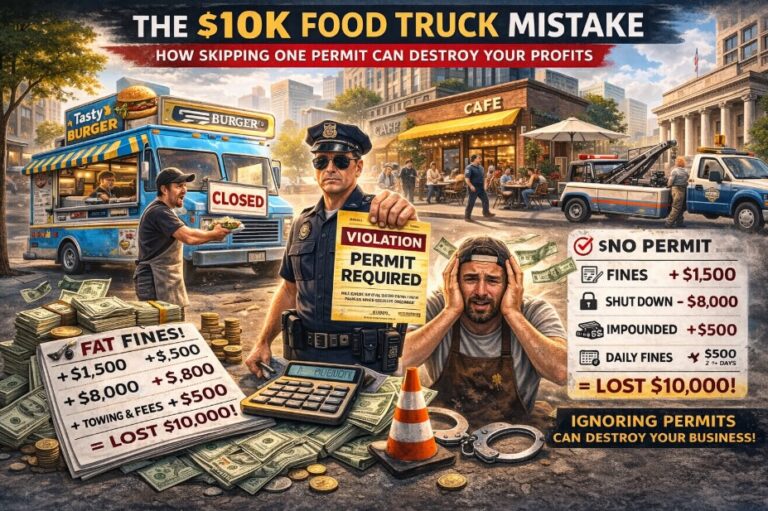
- Zoning Permit: Specific areas in Cleveland may have zoning restrictions that dictate where food trucks can operate. Ensure compliance with local zoning laws to avoid any fines.
Steps to Obtain a Food Truck Permit in Cleveland
Step 1: Develop a Business Plan
Before applying for permits, you should create a comprehensive business plan. This plan should outline your business model, target market, menu offerings, and financial projections. A solid business plan will not only guide your operations but will also help when applying for loans or attracting investors.
Step 2: Choose Your Location
Select a location where you’ll primarily operate your food truck. Research areas with high foot traffic, such as downtown Cleveland, parks, local festivals, or events. Keep in mind the zoning requirements for the areas you choose; some spots may not permit food truck operations.
Step 3: Register Your Business
Register your food truck business with the Ohio Secretary of State. You’ll need to decide on a business structure, such as an LLC or sole proprietorship, and register accordingly. This will also involve choosing a name for your food truck and ensuring it’s unique and legally available.
Step 4: Obtain Health and Safety Certifications
Before you can serve food to the public, you’ll need to complete necessary health and safety training. Consider taking a food safety certification course, which teaches you about food handling, preparation, and storage guidelines to comply with Ohio’s health codes.
Step 5: Apply for Your Mobile Food Service License
Once you have your business registered and health certifications, you can apply for your mobile food service license through the Cleveland Department of Public Health. The process often involves filling out an application form, providing documentation of your health certifications, and paying a fee.
Step 6: Schedule Your Health Inspection
After submitting your application, schedule a health inspection with the Cleveland Department of Public Health. An official will inspect your food truck to ensure it meets health and safety standards. Be prepared for this inspection by ensuring your food truck is clean and that you have the necessary supplies, including handwashing stations and proper food storage facilities.
Step 7: Obtain Additional Permits
After receiving your mobile food service license, ensure you obtain any additional permits you may need. This may include a business license from the city or a sales tax license from the state. Each permit may have its specific requirements and application processes.
Step 8: Register for an EIN
If your business structure is a corporation or an LLC, you will need to apply for an Employer Identification Number (EIN) through the IRS. An EIN is essential for tax reporting purposes and hiring employees.
Costs Involved in Obtaining a Permit
When budgeting for your food truck business, it’s essential to consider the various costs associated with obtaining permits. These costs may include:
- Mobile Food Service License Fee: Typically ranges from $150 to $300.
- Health Inspection Fees: Charges may apply for initial inspections and follow-ups.
- Business License Fees: Depending on your business structure, expect to pay a fee that varies by city.
- Equipment and Supplies: The cost of food truck equipment can be substantial, depending on your menu and setup.
- Insurance: Securing liability insurance for your food truck business is crucial and can range from $500 to $1,200 annually.
Tips for Successful Food Truck Operations
- Craft a Unique Menu: Differentiate your food truck by offering unique dishes that resonate with your target audience. Consider seasonal ingredients and local favorites.
- Market Your Business: Use social media platforms to promote your food truck. Share your location, menu updates, and special promotions to engage potential customers.
- Participate in Local Events: Join local food festivals or farmers’ markets to reach a larger audience and gain exposure.
- Focus on Customer Service: Providing excellent customer service can drive repeat business. Engage with your customers, take feedback seriously, and create a welcoming atmosphere.
- Stay Compliant: Regularly review local regulations and ensure you remain compliant with health and safety standards. Any changes to laws may impact your food truck operations.
Conclusion
Navigating the process of obtaining a food truck permit in Cleveland might seem daunting, but with careful planning and organization, it can lead to a rewarding business venture. By understanding the necessary permits, following the required steps, and adhering to local regulations, you can successfully launch your food truck and contribute to Cleveland’s lively culinary landscape. Get ready to share your delicious creations with the community and make your mark in the food truck industry!