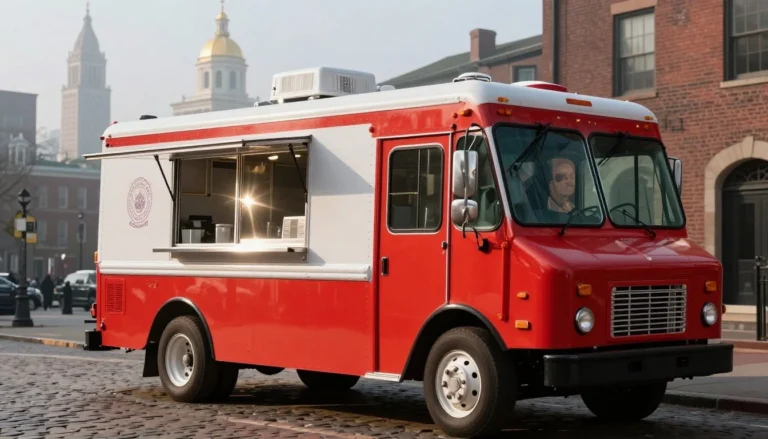
Food Truck Permit in Richmond, VA
Food Truck Permit in Richmond, VA: A Comprehensive Guide
Starting a food truck business in Richmond, Virginia, can be an exciting venture, given the city’s vibrant culinary scene and growing demand for diverse food options. However, like any business, it’s crucial to navigate the regulatory landscape carefully. One of the key steps in launching your food truck is securing the necessary permits. This guide provides detailed information on the food truck permit process in Richmond, VA, including essential permits, application procedures, and tips for a successful operation.
Understanding Food Truck Regulations in Richmond
Before diving into the permit process, it’s essential to familiarize yourself with the regulatory environment surrounding food trucks in Richmond. The city has specific rules that govern food service operations, including licensing, health and safety, and zoning laws. Understanding these regulations can help streamline your application process and avoid potential fines or penalties.
Why Permits Matter
Permits are critical for ensuring that your food truck complies with local health codes and safety regulations. Operating without the required permits can result in hefty fines, shutdowns, or even legal repercussions. Moreover, proper permits establish credibility with customers and suppliers, facilitating smoother business operations.
Types of Permits Required for Food Trucks
In Richmond, several permits and licenses may be required to operate a food truck legally. Below are the most common permits you should consider:
1. Business License
To start your food truck venture, you must apply for a business license from the City of Richmond. This license verifies that you are a legitimate business and allows you to collect sales tax. Be prepared to provide details about your business structure, planned operations, and other relevant information.
2. Food Service Permit
A food service permit is issued by the Virginia Department of Health (VDH) and is mandatory for any establishment serving food to the public. This permit ensures that you meet health and safety standards. You must pass an inspection of your food handling and preparation practices to obtain this permit.
3. Mobile Food Vendor Permit
Richmond has specific regulations governing mobile food vendors, which includes food trucks. You will need to apply for a mobile food vendor permit through the Richmond Department of Planning and Development Review. This permit may involve additional fees and requirements, such as providing proof of insurance and adhering to local zoning laws.
4. Health Department Inspection
Prior to obtaining your food service permit, your food truck will be subject to an inspection by the local health department. This inspection is crucial for determining compliance with sanitation and food safety regulations. It’s advisable to familiarize yourself with health codes prior to the inspection to ensure your truck passes without issues.
5. Fire Department Permit
If your food truck uses cooking equipment that generates heat or flames, such as grills or fryers, you may need a fire department permit. This often involves an inspection of your equipment and procedures to ensure they comply with fire safety codes.
The Permit Application Process
Once you understand the types of permits needed, the next step is navigating the application process. Here’s how to go about it:
Step 1: Prepare Your Documents
Gather all necessary documentation before starting your applications. Common documents include:
- Proof of identity and ownership (like an LLC registration)
- Detailed business plan
- Menu and pricing list
- Proof of Insurance
- Health department training certifications for staff
Step 2: Apply Online or In-Person
Richmond allows some applications to be submitted online, while others may require in-person visits. Check the City of Richmond’s official website for the most up-to-date information regarding where to apply for each permit.
Step 3: Pay the Fees
Be prepared to pay associated fees for each permit. Fees may vary based on the type of permit and can range from modest to moderate amounts. Make sure to budget for these fees when planning your business.
Step 4: Schedule Inspections
Once your applications are submitted, you’ll need to schedule inspections for both health and fire department permits. Contact the relevant departments to arrange these inspections at a convenient time.
Step 5: Await Approval
After you have submitted your applications and passed all inspections, you will need to wait for approval. This can take several weeks, so it’s advisable to apply early and plan your operations accordingly.
Adhering to Local Zoning Laws
In addition to permits, understanding and adhering to local zoning regulations is crucial for operating your food truck effectively in Richmond. Some neighborhoods may have specific restrictions on where food trucks can park and operate.
Research Zoning Regulations
Consult the Richmond Department of Planning and Development Review to understand where you may set up your food truck. Violating zoning laws can result in citations or the need to relocate your business.
Popular Locations for Food Trucks
Identifying the best locations to operate your food truck can significantly impact your sales. Some popular spots include parks, festivals, farmers’ markets, and busy urban areas. Ensure you obtain permission if you plan to operate on private property.
Tips for a Successful Food Truck Operations
After securing your permits, here are some additional tips to ensure a successful food truck business:
Market Your Brand
Effective marketing can help you reach new customers. Utilize social media to update followers on your location, menu items, and special events. Engaging visuals and consistent updates can attract eager customers.
Build Relationships with Customer
Great customer service can set your food truck apart from competitors. Engage with your patrons, respond to feedback, and use loyalty programs to encourage repeat business.
Keep It Clean
Maintaining cleanliness in and around your food truck is essential for passing health inspections and ensuring customer safety. Implement strict hygiene and cleaning protocols to keep your operation compliant.
Innovate Your Menu
Stay ahead of food trends and regularly update your menu to keep customers excited about your offerings. Seasonal specialties or unique flavor combinations can draw in new clientele.
Conclusion
Launching a food truck in Richmond, VA, involves a series of steps, from understanding local regulations to securing the necessary permits. While the process may seem daunting, careful preparation, organization, and adherence to local laws can pave the way for a successful food truck operation. With the vibrant Richmond food scene and a growing demand for unique, mobile dining options, now is a great time to embark on your food truck journey. Embrace the opportunity, and who knows? Your food truck could become the next local favorite.