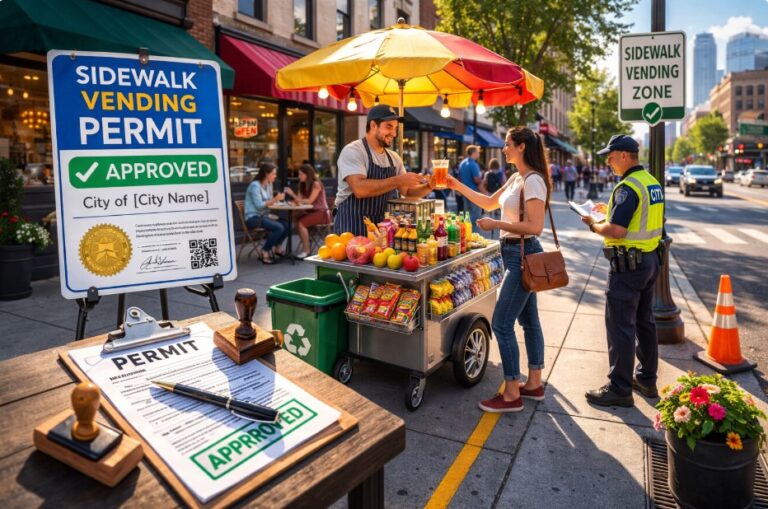
Sidewalk Vending Permit in Boston, MA
Sidewalk Vending Permit in Boston, MA: A Comprehensive Guide
In recent years, the trend of sidewalk vending has gained significant popularity across urban landscapes. Cities, including Boston, MA, have recognized the potential benefits of street vendors in adding vibrancy, accessibility, and diversity to public spaces. However, operating legally in such a bustling environment requires proper permits and adherence to local regulations. This guide provides an in-depth overview of the sidewalk vending permit process in Boston, ensuring that aspiring vendors understand what it takes to thrive in this competitive field.
Understanding Sidewalk Vending in Boston
Sidewalk vending encompasses a range of activities, including food carts, retail stands, and mobile services. In Boston, the culture of sidewalk vending reflects a rich blend of culinary and creative offerings, contributing to the city’s unique atmosphere. Vendors often provide convenient, on-the-go options for passersby while adding character to the streetscape.
Benefits of Sidewalk Vending
- Economic Opportunities: Sidewalk vending can serve as an effective entry point for entrepreneurs, offering lower startup costs compared to traditional brick-and-mortar businesses.
- Job Creation: These ventures can generate employment opportunities, not only for the vendors but also for their suppliers and support staff.
- Community Engagement: Vendors often bring niche offerings that enhance the local culture and encourage community interaction.
- Sustainability: Many sidewalk vendors emphasize local and sustainable sourcing, aligning with Boston’s environmental goals.
Challenges and Regulations
Despite its advantages, sidewalk vending comes with challenges. Vendors must navigate the bureaucratic landscape, which includes obtaining necessary permits, ensuring compliance with health regulations, and being mindful of public space usage. This is where understanding the sidewalk vending permit process becomes crucial.
The Sidewalk Vending Permit Process in Boston
The permit process for sidewalk vending in Boston is designed to regulate the use of public space while ensuring safety and accessibility for all residents and visitors. Here’s a step-by-step look at the process:
Step 1: Determine Your Vending Type
Before applying, it’s essential to identify the type of vending you plan to engage in. Common categories include:
- Food Vendors: Selling cooked food, beverages, or pre-packaged foods.
- Retail Vendors: Selling items like clothing, souvenirs, or handmade goods.
- Mobile Vendors: Operating food trucks or vehicles providing services in different locations.
Step 2: Check Local Ordinances
The City of Boston has specific ordinances governing sidewalk vending. It’s important to familiarize yourself with these regulations, which can include:
- Locations where vending is permitted (e.g., designated areas versus prohibited zones).
- Restrictions on hours of operation.
- Adherence to health and safety codes, particularly for food vendors.
Step 3: Obtain the Necessary Permits
To legally operate as a sidewalk vendor in Boston, you will need to secure the following:
- Sidewalk Vending Permit: This permit is required to operate on city sidewalks. Applications can typically be found on the official City of Boston website.
- Food Establishment Permit (if applicable): If your vending business involves selling food, you’ll need this permit from the Boston Public Health Commission.
- Business License: A standard business license may also be necessary, depending on your business structure.
Step 4: Submit Your Application
Once you have gathered all required documentation and completed the applications for the necessary permits, you can submit your application online or in person. Be prepared to pay any associated fees, which can vary based on the type of permit requested.
Step 5: Prepare for Inspections
After submitting your application, you may be subject to inspections by city officials. These inspections can cover health standards, safety compliance, and proper equipment usage. Ensuring you meet these criteria is essential to avoid potential fines or permit denials.
Step 6: Wait for Approval
The approval process can take several weeks. It’s important to be patient and stay in touch with city officials regarding the status of your application. Once approved, be sure to display your permits prominently at your vending location.
Compliance and Responsibilities
Once you have successfully obtained your sidewalk vending permit, it’s important to understand your responsibilities as a vendor. This includes:
- Maintaining Cleanliness: Vendors are responsible for keeping their vending area clean and removing any trash or waste generated by their operations.
- Following Safety Regulations: Compliance with safety guidelines is crucial. This can involve ensuring that food items are properly stored and that any equipment used is safe and well-maintained.
- Respecting Public Space: Vendors must ensure that their operations do not obstruct pedestrian traffic or violate any space usage regulations.
Expanding Your Vending Business
Once established, many vendors seek to expand their offerings or improve their operations. Here are a few strategies to consider:
Diversify Your Menu
For food vendors, adding new menu items can attract a broader customer base. Consider seasonal offerings or local specialties that resonate with the Boston community.
Leverage Social Media
Building a strong social media presence can be an effective marketing tool for vendors. Share pictures of your offerings, special events, and customer interactions to engage with your audience.
Participate in Local Events
Look for opportunities to participate in farmers markets, street fairs, and local festivals. These events can boost visibility and help you cultivate a loyal customer base.
Network with Other Vendors
Engaging with fellow vendors can provide valuable insights and foster collaborations. Forming partnerships can lead to cross-promotional opportunities and shared resources.
Resources for Prospective Vendors
For those interested in sidewalk vending in Boston, numerous resources can aid in your journey:
- City of Boston Official Website: Contains detailed information on permits, regulations, and application processes.
- Boston Public Health Commission: Offers guidelines for food vendors regarding health standards and food safety.
- Local Business Associations: Joining local merchant organizations can provide networking opportunities and additional support.
- Small Business Development Centers: These centers often provide training, mentorship, and grant resources for budding entrepreneurs.
Conclusion
Sidewalk vending presents a unique opportunity for entrepreneurs in Boston to engage with the community and contribute to the city’s cultural landscape. Understanding the permit process and adhering to regulations is crucial for success in this field. By following the outlined steps, aspiring vendors can navigate the complexities of regulatory compliance while establishing a thriving business. As the city continues to evolve, so too will the opportunities for creative and enterprising individuals looking to make their mark on Boston’s streets. For more information, reach out to the appropriate city offices or consider connecting with experienced vendors to gain insight and advice tailored to your specific needs.
Whether you’re carting gourmet food or selling handmade crafts, the world of sidewalk vending awaits you in the vibrant city of Boston.