Sidewalk Vending Permit in Jacksonville, FL
Navigating the Sidewalk Vending Permit Landscape in Jacksonville, FL: Your Essential Guide
Imagine turning a simple idea into cash flow right on the bustling streets of Jacksonville. Folks flock to Jax for its beaches, riverside vibes, and that mix of old charm with new energy. Street vending thrives here, from hot dogs at lunch to handmade jewelry in the evening, but only if you play by the rules. The city pulls in millions from tourism each year, and legal vendors tap into that goldmine without the hassle of surprise fines.
This guide cuts through the red tape. You’ll get a clear path to snag your Jacksonville sidewalk vending permit. No more guessing games or wasted days—follow these steps, and you’ll set up shop the right way, dodging penalties that could sink your startup dreams.
Understanding Jacksonville’s Vending Regulations: The Legal Framework
Jacksonville runs a tight ship on public space use. The City of Jacksonville, or COJ, oversees vending through its ordinances to keep sidewalks safe and fair for everyone. If you plan to sell anything from a cart or stand on public walkways, you need this permit—it’s non-negotiable for residents and visitors alike.
The rules cover a wide range. Food carts, art stalls, even flower sellers fall under the umbrella. COJ aims to balance business growth with community needs, like easy foot traffic and clean streets. Break these regs, and you face fines up to $500 per violation, plus cart seizure in bad cases.
Defining Permissible Vending Zones and Restrictions
Not every corner works for your setup. City code bans vending within 100 feet of brick-and-mortar eateries to protect their turf—think no popping up next to a busy diner on Beach Boulevard. Pedestrian hotspots like the Landing or certain plazas also stay off-limits to avoid crowds.
Prohibited spots include school zones during hours and high-traffic intersections that could block emergency access. Check Jacksonville Ordinance Code Section 656.1305 for the full list; it’s your bible for this. Violations here lead to quick shutdowns, so scout wisely.
To stay compliant, pull up the official COJ interactive zoning map online. Just enter your spot’s address, and it flags vending-friendly areas in green. Save yourself a headache by verifying before you buy that prime cart.
Types of Sidewalk Vending Permits Available (Food vs. Non-Food)
Permits split into two main camps: food and non-food. Food sellers deal with stricter health checks, often needing Duval County Health Department approval first. Non-food, like T-shirts or trinkets, skips that layer but still requires city sign-off.
Food permits cover ready-to-eat items, from tacos to smoothies. Expect grease traps and handwashing stations in your plans. Non-food keeps it simple—crafts or books just need basic liability proof.
The differences matter big time. Food ops might cost more in inspections, while non-food lets you start faster. Pick your lane based on what you sell, and match the permit type to avoid rejections.
Key Definitions: Vending Cart vs. Mobile Food Vehicle
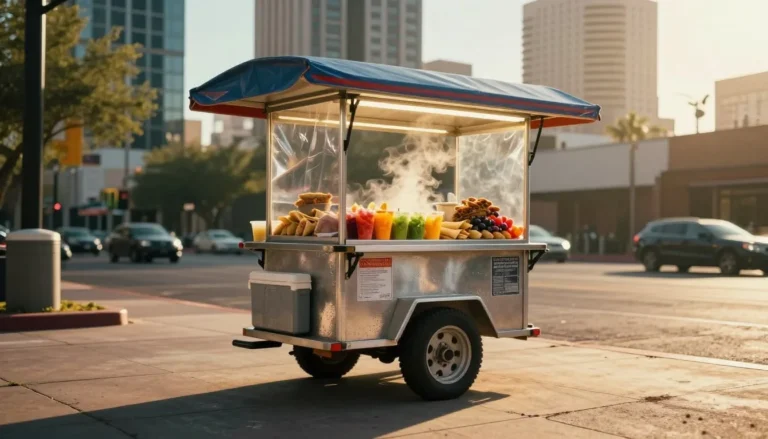
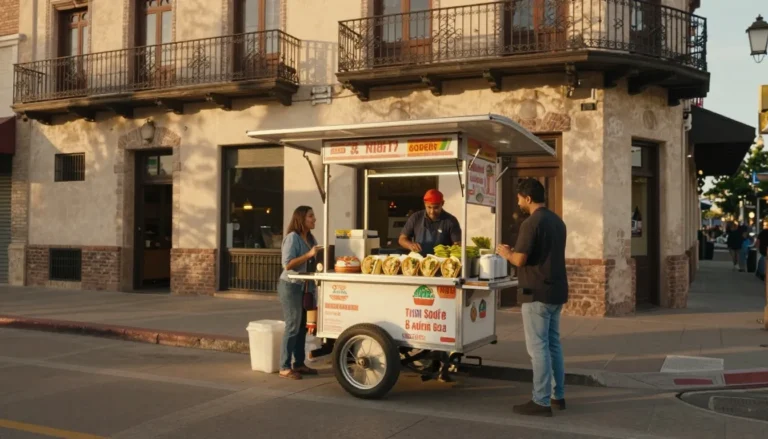
Know your gear to nail the right rules. A vending cart is that small push unit, under 200 square feet, perfect for sidewalks without motors. It stays put during sales, easy to maneuver by hand.
Mobile food vehicles crank it up—they’re trucks or trailers with kitchens inside, self-propelled or towed. These need extra parking permits and can’t hog sidewalks like carts do. The line blurs with hybrids, but COJ classifies by size and power source.
This split changes everything. Carts face lighter fees but zone limits; vehicles add vehicle regs from the DMV. Get it wrong, and your app bounces back. Double-check your setup against code 656.1302 for clarity.
Step-by-Step Application Process for the COJ Sidewalk Permit
Bureaucracy feels like a maze, but break it down, and it’s doable. Start early—processing takes four to six weeks if all ducks line up. Miss a piece, and you’re back to square one.
This walkthrough turns chaos into checklist. Gather docs, submit smart, and track progress. Vendors who prep right launch smoother and earn quicker.
Pre-Application Checklist: Documentation and Preparation
Build your stack before you file. First, grab a COJ business license—it’s the base for any local hustle. Then, snag Florida’s sales tax permit from the state revenue folks; no sales without it.
Insurance seals the deal. You need at least $100,000 in general liability, tailored to Jax risks like slip-and-falls. Proof comes via policy docs, naming the city as extra insured.
Set up your business entity too. Register a name with the state—sole prop or LLC works. This keeps things legit and speeds approval. Skip it, and your app stalls.
Submitting the Application and Fee Structure
Head to the Downtown Development Office at City Hall, or file online through the COJ portal. Fill the form with your business info, site plans, and gear sketches. Fees run $150 for the base permit, plus $50 per inspection if needed.
Non-food apps cost less, around $100 total. Food jumps to $250 with health ties. Pay by check or card; no cash at the counter.
Once in, expect 30 days for review if complete. Track via email updates from the office. Rush it wrong, and delays pile up—patience pays here.
Health Department Review and Food Safety Compliance (If Applicable)
Food folks, this step’s your gatekeeper. Duval Health demands a commissary deal—a kitchen base for prep and storage, approved in advance. Your cart must have NSF-certified gear, like three-compartment sinks for washing.
Operators need a food handler cert—eight hours online or in class, $15 a pop. It covers safe temps and cross-contam basics. Submit plans showing wastewater hookup to avoid runoff tickets.
Inspections happen post-permit. Pass with flying colors, or fix issues fast. Many vendors swear by pre-submits to health for feedback—saves rework later.
Operational Compliance: Rules Governing Vending Day-to-Day
Permits get you started; rules keep you rolling. Jax enforces these to protect public spots. Ignore them, and citations stack up quick.
Daily ops blend freedom with duty. Follow the code, and you’ll build repeat fans. Slip up, and the city’s watchdogs notice.
Operating Hours and Location Signage Requirements
Time your sales right. Most zones allow 7 AM to 10 PM, but downtown cuts off at 9 PM for quiet nights. No early birds before dawn—keeps neighbors happy.
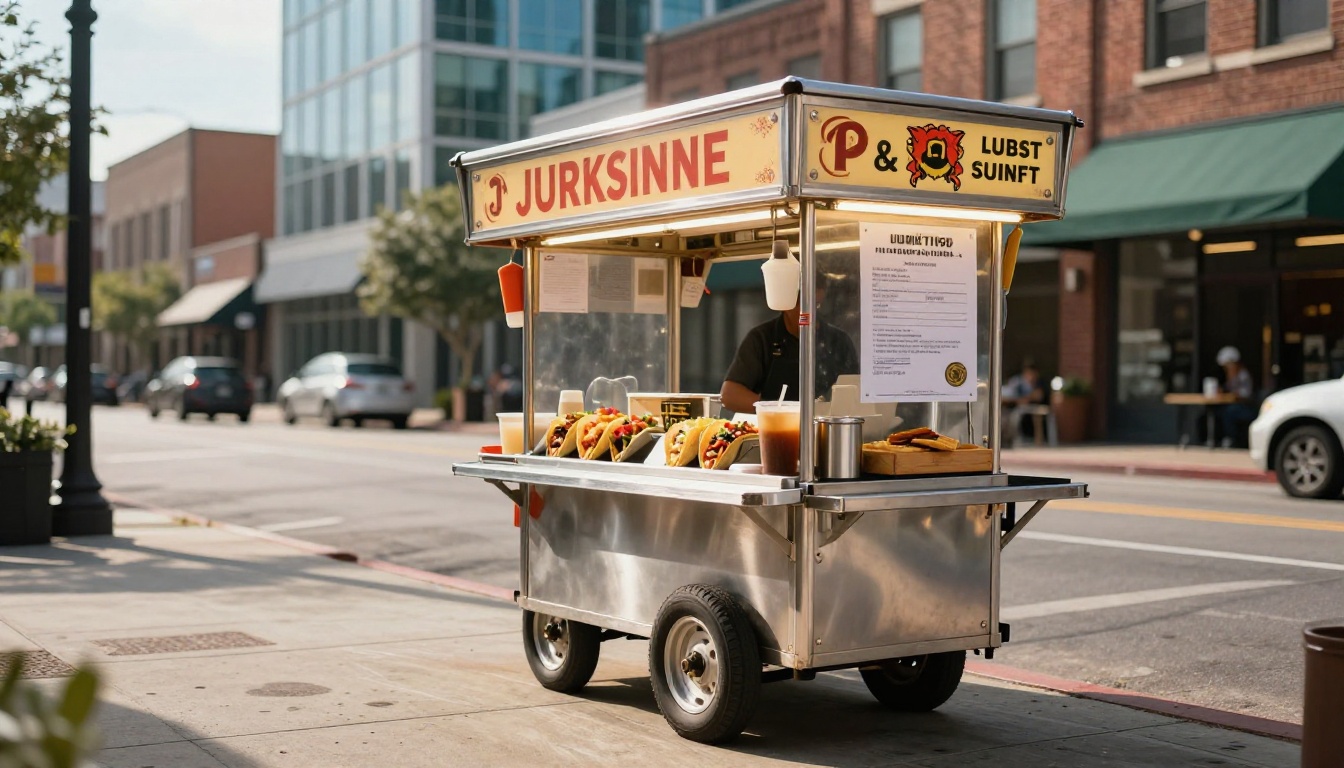
Display your permit bold. Slap the number on your cart’s side, at least four inches high, in black letters. It proves you’re legit to cops and customers.
Change spots? Update the city within 48 hours. This signage rule trips newbies, but it’s simple once routine.
Waste Management and Public Space Maintenance
Leave spots spotless—that’s the law. Pack out all trash; no dumping in street cans. Grease goes to approved recyclers, greywater to sewers only.
City code 656.1310 spells it out: violations mean $250 fines on first offense. Stock trash bags and a broom daily. Clean vendors get tips and good word-of-mouth.
Many use portable potties for staff needs, but tie it to waste plans. Stay green, and you’ll stand out in Jax’s eco-conscious crowd.
Vendor Interaction and Pedestrian Flow Mandates
Keep paths open—aim for six feet clear on busy walks. No blocking doors or ramps; that’s ADA no-no. If using tents, anchor them firm but movable.
Engage customers without hassle. No loud hawking that bugs folks; quiet sells best. Code requires quick pack-up if crowds form.
These rules foster safe vibes. Vendors who respect flow earn trust from the city and walkers alike.
Financial Considerations: Costs, Taxes, and Business Licensing
Money talk rounds out the picture. Permits cost upfront, but ops add layers. Budget smart to keep profits flowing.
Beyond fees, taxes and licenses tie in. Get these straight, or audits bite.
Obtaining the Required Jacksonville Business Tax Receipt (BTR)
The BTR is your vending ticket’s buddy. Apply at the Finance Department after zoning check—$50 yearly for most. It verifies your spot fits commercial use.
Zoning compliance? Use that COJ map again. Home-based? Prove no public nuisance. Renew annually, or ops halt.
Tie it to your permit app. Many wait on BTR approval first—smooths the whole ride.
Sales Tax Obligations in Florida for Sidewalk Vendors
Collect 6% state sales tax on every sale. Food might drop to 0% for basics, but crafts hit full rate. Remit monthly or quarterly to Florida DRT.
Sign up free at their site; get your number quick. Track sales with simple apps—no excuses for skips. Uncle Sam watches, so file on time.
Vendors forget this and face back taxes. Stay current, and it becomes just another receipt in your day.
Conclusion: Establishing Your Sustainable Vending Footprint in Jacksonville
Jax vending regs look tough at first glance. But with this roadmap, you handle it step by step. From docs to daily cleanup, compliance builds your base for long hauls.
Key takeaways:
- Verify zones early with the COJ map to dodge no-go spots.
- Secure insurance and BTR before applying— they’re must-haves.
- Clean up daily and display that permit; it keeps fines away.
Dive in now. Call the Downtown Office at 904-255-5200 or hit their site. Your street-side success waits—just follow the path and watch profits grow.