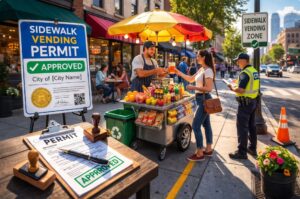
Sidewalk Vending Permit in Jersey City, NJ
Navigating the Process of Obtaining a Sidewalk Vending Permit in Jersey City, NJ
Sidewalk vending has become an appealing entrepreneurial avenue, allowing vendors to connect with customers in vibrant public spaces. In Jersey City, NJ, aspiring vendors must follow specific regulations and procedures to obtain a sidewalk vending permit. This comprehensive guide will walk you through the necessary steps, requirements, and benefits of sidewalk vending in this bustling city.
Understanding Sidewalk Vending
Sidewalk vending refers to the sale of goods or services in public spaces, often associated with food carts, kiosks, and market stalls. It provides a unique opportunity for local businesses to showcase their products while engaging directly with the community. In Jersey City, this practice is regulated to ensure public safety, order, and accessibility.
The Importance of a Sidewalk Vending Permit
Before setting up shop, it’s crucial to understand the legal intricacies involved. A sidewalk vending permit is not just a formality; it protects both the vendor and the city’s residents. Obtaining this permit means adhering to local health and safety regulations, which helps maintain a clean and safe environment for pedestrians.
Who Needs a Sidewalk Vending Permit in Jersey City?
In Jersey City, any individual or business wishing to sell goods or services directly from the sidewalk is required to obtain a sidewalk vending permit. This includes:
- Food vendors (e.g., food trucks, carts)
- Retail vendors (e.g., crafts, clothing, accessories)
- Service providers (e.g., portrait artists, mobile repair services)
Steps to Acquire a Sidewalk Vending Permit
Step 1: Research Local Regulations
Understanding the specific requirements and guidelines for sidewalk vending in Jersey City is the first step. Visit the official Jersey City website or contact the City Clerk’s Office for information on:
- Allowed vending locations
- Types of vendors permitted
- Hours of operation
- Health and safety regulations
Step 2: Prepare Your Business Plan
Having a solid business plan is vital not only for your operations but also for the permit process. Your plan should include:
- Description of your business
- Target market analysis
- Proposed vending locations
- Pricing strategies and expected revenue
- Plan for health and safety compliance
Step 3: Gather Required Documentation
To apply for a sidewalk vending permit, you will need to prepare and submit several documents, including:
- A completed sidewalk vending application form
- A valid photo ID (e.g., driver’s license)
- Proof of any required certifications (e.g., food handling certification)
- Business license (if applicable)
- Proof of liability insurance
- Any additional documentation based on the type of goods or services provided
Step 4: Submit Your Application
Once you have gathered all necessary documents, submit your application to the Jersey City City Clerk’s Office. Be prepared to pay an application fee, which may vary based on the nature and scale of your vending business.
Step 5: Await Approval
After submission, the application will be reviewed by city officials. This process may take a few weeks. During this time, local health and safety inspectors may assess your proposed vending setup to ensure compliance with local laws.
Step 6: Set Up and Enjoy Your Business
Upon receiving your permit, you can set up your vending space as approved. Ensure that you follow all regulations pertaining to cleanliness, customer safety, and operational hours.
Costs Associated with the Sidewalk Vending Permit
The fees for obtaining a sidewalk vending permit vary based on different factors:
- Application Fee: Generally ranges from $50 to $200.
- Annual Renewal Fee: Vendors must renew their permits annually, which may incur an additional fee.
- Insurance Costs: Liability insurance is often required and can range from $300 to $1,000 annually.
Compliance and Regulations
Once your permit is secured, it’s essential to comply with local ordinances continuously. This includes:
- Vending Zones: Understand the designated areas where vending is allowed. Certain high-traffic locations may have restrictions.
- Health Regulations: For food vendors, maintaining proper food storage, sanitation, and handling is critical. Regular inspections may occur.
- Operational Hours: Adhere to the specified hours of operation to avoid fines or permit revocation.
- Fee Payments: Ensure timely payment of any required annual fees to keep your permit active.
Benefits of Sidewalk Vending in Jersey City
1. Local Economic Engagement
Sidewalk vending fosters a healthy local economy. Vendors contribute to the community by providing unique products and services, supporting local agriculture, and creating job opportunities.
2. Flexibility and Independence
Having a sidewalk vending business allows for greater flexibility than a traditional brick-and-mortar setup. Vendors can choose their locations and hours, adapting to consumer trends and foot traffic patterns.
3. Community Connection
Sidewalk vendors have the opportunity to build direct relationships with their customers. This personal interaction helps create a loyal customer base and enhances the vendor’s visibility within the community.
4. Low Overhead Costs
Vending typically requires a lower initial investment compared to starting a traditional retail store. This makes it an attractive option for entrepreneurs looking to test concepts or enter the marketplace with limited funds.
Challenges Faced by Sidewalk Vendors
Despite the advantages, sidewalk vending comes with its own set of challenges:
- Regulatory Compliance: Navigating the myriad of regulations can be complex, especially for new vendors.
- Seasonality: Some vendors might experience fluctuations in sales based on seasonal demand, weather conditions, or city events.
- Competition: High foot traffic areas might lead to increased competition from other vendors, requiring a strong marketing strategy to stand out.
Conclusion
Acquiring a sidewalk vending permit in Jersey City, NJ, is a multi-step process that requires careful planning and compliance with local regulations. However, the rewards of operating a successful sidewalk vending business can significantly outweigh these challenges. By following the outlined steps and maintaining adherence to regulatory requirements, you can take advantage of the vibrant community and economic opportunities that sidewalk vending in Jersey City has to offer.
Remember, for the latest information and specific advice, always refer to the official Jersey City resources or consult with local professionals who specialize in business licenses and permits.
For further assistance or any questions, you can reach out to the Jersey City City Clerk’s Office at [City Clerk Contact Information] or visit their official website at [City Clerk Website Link].
Starting your sidewalk vending journey is an exciting venture, and with the proper preparation, you can become an integral part of Jersey City’s dynamic urban landscape!