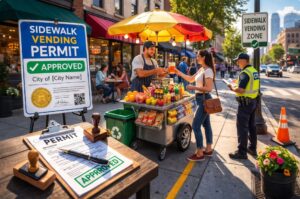
Sidewalk Vending Permit in Pittsburgh, PA
Sidewalk Vending Permit in Pittsburgh, PA: A Comprehensive Guide
Pittsburgh, the steel city turned vibrant metropolis, is not just known for its rich history and sports teams but also its diverse food culture and thriving entrepreneurial spirit. With the rise in popularity of food trucks, pop-up shops, and sidewalk vendors, understanding the regulations surrounding sidewalk vending permits has become essential for anyone looking to start a small business in this arena. This guide aims to detail the process, requirements, and key considerations for obtaining a sidewalk vending permit in Pittsburgh, PA.
Overview of Sidewalk Vending in Pittsburgh
Sidewalk vending refers to the activity of selling goods or services from a temporary structure or directly from a vendor’s cart on city sidewalks or public rights-of-way. In Pittsburgh, this can range from food and beverages to handmade crafts and art. The city’s approach to sidewalk vending not only aims to support local entrepreneurs but also enhances the urban landscape, contributing to a vibrant street life.
Importance of Sidewalk Vending Permits
Before you can sell your goods on the streets of Pittsburgh, it is critical to understand that operating without a permit can lead to fines and legal challenges. The sidewalk vending permit helps regulate the flow of vendors, ensuring that all vendors adhere to health and safety guidelines, maintain proper sanitation, and do not obstruct pedestrian traffic. Obtaining a permit is an important step in legitimizing your business and ensuring a hassle-free vending experience.
The Application Process
1. Determine Your Vending Category
The first step in the application process is to determine which category of vending applies to your business. In Pittsburgh, the main categories include:
- Food Vendors: Those selling prepared foods or beverages.
- Retail Vendors: Vendors selling goods such as clothing, jewelry, or crafts.
- Special Events: Vendors participating in organized events that may have separate permitting processes.
2. Review Local Regulations
Familiarize yourself with the local regulations governing sidewalk vending. The City of Pittsburgh provides comprehensive guidelines on what is permissible. Key regulations to consider include:
- Location Restrictions: Certain areas may be off-limits for vending, and it is important to understand where you can legally set up shop.
- Size Restrictions: There may be limits on the size of your vending structure or cart.
- Health and Safety Regulations: Food vendors, in particular, must adhere to health department regulations.
3. Gather Required Documentation
To apply for a sidewalk vending permit, you will need to compile several key documents. These typically include:
- Completed Application Form: You can obtain this from the City of Pittsburgh’s official website.
- Proof of Identity: Such as a government-issued ID.
- Proof of Business Registration: This could include a business license or DBA (Doing Business As) registration.
- Insurance Documentation: Liability insurance may be required, especially for food vendors.
- Health Department Certification: If you are serving food, you must submit proof of compliance with health regulations.
4. Submit the Application
Once you have gathered all the needed documents, submit your application to the relevant city department, typically the Department of Permits, Licenses, and Inspections (PLI). Be prepared to pay an application fee, which may vary based on the type and duration of the permit. As of 2023, fees can range from $100 to several hundred dollars, depending on various factors.
5. Await Approval
After submission, your application will be reviewed by city officials. The review process may take several weeks, during which the city verifies the information provided and checks for compliance with local regulations. It’s wise to follow up with the PLI if you haven’t received a response within a reasonable timeframe.
6. Obtain Your Permit
Upon approval, you will receive your vending permit, granting you the right to operate legally in designated areas of Pittsburgh. Make sure to keep this permit visible during your vending hours, as city officials may conduct inspections.
Compliance and Renewal
Staying Compliant
Operating under a sidewalk vending permit doesn’t mean you’re free from ongoing regulations. It’s essential to remain compliant with:
- Health and Safety Standards: Regularly inspect your setup to ensure it meets sanitary conditions.
- Local Laws: Always adhere to any additional city laws or zoning regulations that may affect your vending operations.
- Tax Obligations: Ensure you meet local tax requirements, including sales tax collection.
Permit Renewal
Most sidewalk vending permits will require renewal on an annual basis. Ensure that you mark your calendar for renewal dates and prepare to submit documentation similar to your initial application. Failure to renew can result in penalties or, at worst, an inability to operate legally.
Advantages of Sidewalk Vending in Pittsburgh
Engaging in sidewalk vending offers numerous advantages for entrepreneurs. Here are a few reasons why this could be a profitable venture:
- Low Start-up Costs: Compared to renting a traditional storefront, starting a sidewalk vending business can require a significantly lower initial investment.
- Flexibility: Vendors can often choose their hours and locations to maximize foot traffic and sales.
- Community Engagement: Vending provides an opportunity to connect with locals and visitors alike, fostering a sense of community and enhancing the vibrant marketplace environment.
Popular Locations for Sidewalk Vending
Pittsburgh boasts several high-traffic areas that are popular among sidewalk vendors. Here are some recommended spots:
- Market Square: Known for its vibrant atmosphere and heavy foot traffic, this bustling area is an excellent choice for vendors looking to attract both locals and tourists.
- Point State Park: This iconic park is not only a beautiful gathering place but also hosts many events, making it a prime location for vendors.
- Strip District: Renowned for its rich food scene, this district offers opportunities for food vendors, especially those representing local cuisines.
Challenges of Sidewalk Vending
While there are many advantages to sidewalk vending, it’s important to be aware of potential challenges:
- Weather Dependency: Outdoor vending can be significantly affected by weather conditions, impacting sales.
- Competition: The popularity of sidewalk vending can lead to fierce competition, requiring vendors to develop a unique offering or draw.
- Regulatory Changes: Local laws and regulations can change, making it imperative for vendors to stay informed to avoid operational issues.
Conclusion
Navigating the sidewalk vending permit process in Pittsburgh can seem daunting at first, but with the right preparation and understanding of local regulations, you can successfully launch your vending business. Engage with local authorities, stay informed on industry best practices, and embrace the opportunities that sidewalk vending can provide. Whether you’re serving delicious street food or showcasing unique artisanal goods, becoming a sidewalk vendor in Pittsburgh can be a fulfilling and profitable endeavor.
By adhering to these guidelines and maintaining compliance with city regulations, you can enjoy a successful venture that contributes to the bustling atmosphere of Pittsburgh’s streets.