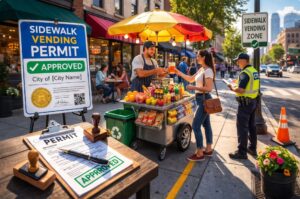
Sidewalk Vending Permit in Winston-Salem, NC
Navigating the Sidewalk Vending Permit Process in Winston-Salem, NC
Winston-Salem, North Carolina, is a vibrant city known for its rich history, diverse population, and growing economy. As the city continues to expand, the demand for unique dining and shopping experiences has surged. Sidewalk vending has emerged as a popular means for entrepreneurs to tap into this trend, allowing them to serve delicious food and sell local goods while bringing life to the city’s streets. However, to ensure the safety and enjoyment of both vendors and residents, it is essential to understand the regulations surrounding sidewalk vending permits in Winston-Salem.
Understanding Sidewalk Vending
Sidewalk vending refers to the practice of selling goods or services directly to consumers from a temporary setup on public sidewalks. Vendors offer a range of products, including food, beverages, crafts, and more. While sidewalk vending can provide flexible job opportunities and foster local entrepreneurship, it also requires adherence to specific regulations established by the city government.
The Importance of a Sidewalk Vending Permit
In Winston-Salem, obtaining a sidewalk vending permit is crucial for several reasons:
- Legal Compliance: Operating without a permit can lead to fines, legal action, and eventual shutdown. A permit ensures that your vending activities align with city regulations.
- Public Safety: Permitting processes often involve inspections and approvals that help maintain safety standards, ensuring that sidewalks remain accessible and do not become overcrowded.
- Community Relations: By following official procedures, vendors contribute to a positive community relationship, where local businesses can thrive and work harmoniously with residents.
Types of Vending Permits Available
In Winston-Salem, there are generally two categories of sidewalk vending permits:
- Food Vending Permit: This permit is necessary for vendors selling prepared food items, beverages, or any food-related products. Vendors must comply with health department regulations, which may involve regular inspections and adherence to food safety standards.
- Non-Food Vending Permit: This encompasses vendors selling merchandise, handmade goods, or any non-food items. While this permit may have fewer health regulations compared to food vending, vendors still need to comply with city zoning and public space usage laws.
Steps to Obtain a Sidewalk Vending Permit in Winston-Salem
The process for obtaining a sidewalk vending permit in Winston-Salem can be straightforward if vendors follow the proper steps:
Step 1: Research Requirements
Before applying, vendors should familiarize themselves with the specific requirements set by the Winston-Salem city government. This could include:
- Documentation needed for application.
- Fees associated with the permit.
- Specific rules regarding the locations where vending is permitted.
Step 2: Prepare Necessary Documents
Vendors typically need to prepare various documents, including:
- A completed vending permit application form.
- Proof of identity and residency (such as a driver’s license or utility bill).
- Any health permits for food vendors (obtained from the Forsyth County Health Department).
- Liability insurance documentation.
Step 3: Submit the Application
Once all documents are collected, applicants can submit their vending permit application to the City of Winston-Salem’s Office of Business Inclusion and Advancement. It’s recommended to submit applications early, as processing time may vary based on demand.
Step 4: Await Approval
After submission, the city will review the application. During this time, they may contact the applicant for additional information or to schedule an inspection.
Step 5: Pay Fees
If approved, vendors will need to pay any associated permit fees. Ensure that all payments are completed in accordance with city guidelines to avoid delays.
Step 6: Review Regulations and Start Vending
Once the permit is received, vendors should thoroughly review any specific regulations attached to it, as these can vary based on location, time of operation, and types of goods sold.
Key Regulations for Sidewalk Vendors
In Winston-Salem, vendors must adhere to several regulations to maintain their permits and operate successfully:
Location Restrictions
Vendors must set up their operations at designated locations. Specific areas may be allocated for vending, often avoiding congested sidewalks and allowing for pedestrian traffic flow. Before starting, review maps or guidelines provided by the city.
Operating Hours
Vendors should adhere to specific operating hours set by the city. These hours may vary based on location and local ordinances.
Equipment Standards
Using proper equipment for food vendors, such as food-safe storage and cooking appliances, is essential to ensure the safety and quality of products sold. All equipment must comply with health regulations.
Cleanliness and Waste Management
Vendors are responsible for maintaining cleanliness around their vending area and must have a plan for waste management. Providing ways for customers to dispose of waste appropriately can enhance public perception and satisfaction.
Benefits of Sidewalk Vending
Sidewalk vending can offer numerous advantages, both for vendors and the greater community:
For Vendors
- Lower Startup Costs: Compared to traditional brick-and-mortar businesses, sidewalk vending often requires significantly less initial financial investment.
- Flexibility: Vendors have the freedom to choose their operating hours and locations, allowing them to adapt to consumer demands and foot traffic.
- Community Engagement: Vending allows sellers to establish a direct connection with local customers, fostering relationships and gathering feedback in real-time.
For the Community
- Cultural Exchange: Sidewalk vendors contribute to a diverse marketplace, offering unique products and cuisines that reflect the community’s multiculturalism.
- Economic Growth: Supporting local businesses strengthens the economy and can lead to job creation and increased local tax revenue.
- Enhanced Public Spaces: Vibrant vending activities can enhance public spaces, making them more lively and inviting for residents and visitors.
Challenges Facing Sidewalk Vendors
While the potential rewards are significant, sidewalk vendors should also be aware of the challenges they may face:
- Competition: Vendors often compete with both established businesses and fellow vendors, making it crucial to differentiate their offerings.
- Seasonality: Vending can be impacted by weather conditions, with sales opportunities potentially fluctuating based on the season.
- Regulatory Changes: Local regulations for sidewalk vending may change, which can affect where and how vendors operate. Staying informed is vital.
Conclusion
Sidewalk vending in Winston-Salem, NC, presents a thrilling opportunity for aspiring entrepreneurs seeking to bring their products to the street. By obtaining the proper sidewalk vending permit and adhering to regulations, vendors can not only comply with the law but also enhance their business prospects while contributing positively to the community. With careful planning, adherence to guidelines, and a passion for engaging with the public, sidewalk vendors can thrive in this dynamic marketplace.
For additional information about the sidewalk vending permit application process, fees, and any specific regulations, prospective vendors can visit the official Winston-Salem city website or contact the Office of Business Inclusion and Advancement.
As Winston-Salem continues to grow and evolve, sidewalk vendors will remain an integral part of what makes the city vibrant and unique. Whether offering a delicious meal or a handcrafted item, each vendor adds to the tapestry of life in Winston-Salem, promoting local culture and community spirit.