Food Truck Permit in Raleigh, NC
The Ultimate Guide to Obtaining a Food Truck Permit in Raleigh, NC
Starting a food truck business in Raleigh, North Carolina, can be an exciting venture, especially with the vibrant food culture in the area. However, before you hit the streets serving your delicious creations, you need to navigate the ins and outs of obtaining a food truck permit. This guide will walk you through everything you need to know to get your food truck up and running legally in Raleigh.
Understanding the Basics of Food Truck Permits
A food truck permit is an official authorization that allows you to operate a food truck in a designated area. In Raleigh, regulations are put in place to ensure food safety, public health, and a fair playing field for all food vendors. It’s crucial to understand the various types of permits and licenses required.
Types of Permits Required
- Mobile Food Unit Permit: This is the primary permit you need to operate a food truck in Raleigh. It ensures that your vehicle meets health and safety standards.
- Food Service Permit: If you plan to prepare and serve food, you must obtain a food service permit from the North Carolina Department of Agriculture and Consumer Services (NCDA&CS) or the county health department.
- Business License: Register your food truck business with the state and obtain any local business licenses required by the city of Raleigh.
- Sales Tax Permit: To sell food in North Carolina, you must collect sales tax. A sales tax permit from the North Carolina Department of Revenue will be required.
Researching Local Regulations
Raleigh has specific ordinances regarding the operation of mobile food units. Before applying for permits, you’ll want to familiarize yourself with local zoning laws, hours of operation, and designated areas where food trucks are allowed to park and serve customers.
Zoning and Location Restrictions
Raleigh has zoning regulations concerning mobile food vendors. It’s essential to research where you can legally park and operate your food truck. Some key points include:
- Food trucks can typically operate in public spaces but must avoid private property unless permission is granted.
- Certain areas may be designated for food trucks, while others may prohibit them entirely.
Time Restrictions
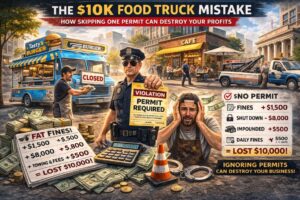
There may be specific hours during which food trucks can operate. Make sure to check with local regulations to understand operating hours to avoid fines or shutdowns.
Preparing Your Food Truck for Inspection
Once you’ve researched and understood the local regulations, you can start preparing your food truck for inspection. This step is crucial for obtaining the necessary permits.
Health and Safety Standards
Your food truck must comply with health codes set forth by the local health department. Some requirements include:
- Maintaining proper sanitation and hygiene practices.
- Ensuring that food is stored and prepared at safe temperatures.
- Having a functional handwashing station and appropriate waste disposal methods.
Vehicle Requirements
Your food truck itself must meet specific standards. This includes:
- Proper ventilation.
- Designated storage for cooking equipment.
- Compliance with fire safety regulations.
Step-by-Step Guide to Applying for Your Food Truck Permit
Now that you are familiar with the permits and regulations, let’s walk through the application process for your food truck permit in Raleigh.
Step 1: Develop Your Business Plan
Before applying for permits, create a business plan that outlines your concept, target market, menu, and marketing strategies. This plan will serve as a roadmap for your business and may be required during the application process.
Step 2: Register Your Business
Register your food truck business with the state of North Carolina. Decide on your business structure (LLC, sole proprietorship, etc.) and obtain the necessary business licenses from the Raleigh city regulators.
Step 3: Obtain Necessary Permits
Apply for the following permits as highlighted earlier:
- Mobile Food Unit Permit through the City of Raleigh.
- Food Service Permit from the local health department.
- Sales Tax Permit from the Department of Revenue.
Step 4: Pass Health and Safety Inspections
Prepare for inspections by ensuring your truck and food preparation practices comply with health codes. The local health department will schedule an inspection, and you must pass before receiving your food service permit.
Step 5: Set Up Your Food Truck
Once you’ve obtained your permits, it’s time to set up your food truck. Invest in high-quality equipment and ensure your menu reflects your business plan.
Costs Associated with Food Truck Permits
Understanding the costs involved in obtaining permits for your food truck is crucial for budgeting effectively.
Breakdown of Costs
- Mobile Food Unit Permit Fees: These fees vary depending on Raleigh’s specific regulations, typically ranging from $100 to $200 annually.
- Food Service Permit Fees: Costs can also vary but expect to pay between $50 to $300 based on your vehicle’s size and menu offerings.
- Business License Fees: Local business licenses might incur nominal fees, generally around $50 to $100.
- Sales Tax Permit Fees: There’s typically no fee for this permit, but you must keep track of sales to accurately report taxes.
Building a Relationship with the Local Community
Once you’ve secured your food truck permits, success often hinges on building a positive relationship with the local community and customers.
Engaging with Local Events
Participate in local fairs, farmers’ markets, and food festivals. Engaging with the community not only helps in building your brand but also informs potential customers about your offerings.
Promoting Through Social Media
Leverage social media platforms to announce your locations, special menus, and promotions. Interact with your customers online to create a loyal fan base.
Keeping Up with Renewals and Compliance
Obtaining permits is just the beginning. As a food truck operator, it’s crucial to renew your permits on time and stay compliant with local regulations.
Permit Renewal Process
Most permits require annual renewal, so keep track of expiration dates and any updates to local regulations. It’s wise to set reminders for yourself a few months before any permits expire to ensure compliance.
Staying Informed on Policy Changes
Food truck regulations can evolve based on local ordinances or public health guidelines. Subscribe to updates from the City of Raleigh or join local food truck associations to stay informed about any changes that may affect your business.
Conclusion
Navigating the process of obtaining a food truck permit in Raleigh, NC, may seem daunting, but with careful research and planning, you can successfully launch your mobile food business. Remember to adhere to local regulations, maintain high standards of food safety, and engage with your community to build a loyal customer base. With the right preparation, your food truck will not only serve delicious meals but also become a staple of Raleigh’s thriving food scene.
Ready to hit the road? Good luck, and may your food truck journey be a tasty one!