Food Truck Permit in Plano, TX
Food Truck Permit in Plano, TX: A Comprehensive Guide
Starting a food truck can be an exciting venture, especially in a vibrant city like Plano, Texas. With its diversity and growing food scene, Plano offers a fantastic opportunity for budding chefs and entrepreneurs. However, operating a food truck requires navigating local regulations, particularly obtaining the necessary permits and licenses. This guide will walk you through the essential steps and requirements for obtaining a food truck permit in Plano, TX.
Understanding Food Truck Regulations in Plano
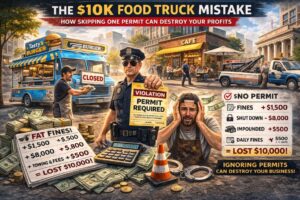
Before diving into the permit application process, it’s crucial to understand the regulations governing food trucks in Plano. The city has specific rules that dictate where you can operate, health and safety standards, and other operational considerations. Being informed about these regulations can help you avoid potential fines or enforcement actions down the road.
Local Ordinances and Health Codes
Plano Food trucks must adhere to local ordinances, including zoning laws and health codes. The city’s Department of Health and Human Services oversees restaurant and food truck operations to ensure public safety. This department enforces health regulations that food trucks must comply with, including food handling, storage, and sanitation standards.
Permits and Licenses Needed
In Plano, operating a food truck requires multiple permits. Here’s a breakdown of what you’ll need:
- Mobile Food Vendor Permit: This is the primary permit required to operate a food truck in Plano. The application must be submitted to the Environmental Health Division for approval.
- Food Establishment Permit: This permit is necessary if you will be preparing, serving, or selling food from your truck. This permit comes with specific health code requirements.
- Sales Tax Permit: You will also need a Texas Sales and Use Tax Permit, issued by the Texas Comptroller’s office. This allows you to collect sales tax on food sales.
- Commercial Driver’s License (CDL): Depending on your truck size, you may need a CDL. It’s important to check the specific size requirements for trucks in Texas.
- Fire Marshal Permit: If your truck includes cooking equipment that uses open flames, you will need a permit from the Fire Marshal.
- Parking Permit: Some areas in Plano may require special parking permits. Check with the city’s zoning department to determine specific parking rules for food trucks in your intended operation area.
Steps to Obtain a Food Truck Permit in Plano
Now that you understand the types of permits required, let’s delve into the step-by-step process for obtaining your food truck permits in Plano.
Step 1: Research Local Regulations
Start by researching local regulations and understanding the specific requirements that apply to food trucks in Plano. Visit the city’s official website or contact the planning department for detailed information on zoning laws, operational hours, and any restrictions on the type of food you can sell.
Step 2: Develop Your Business Plan
Creating a comprehensive business plan is essential for articulating your vision and strategy. Your plan should outline your concept, target market, menu, pricing strategy, and financial projections. Having a well-thought-out business plan can also aid in securing financing if needed.
Step 3: Choose Your Food Truck
Selecting the right food truck is vital for your operation’s success. Consider your budget, the type of cuisine you plan to serve, and the equipment necessary for food preparation. You can purchase a new or used food truck, or consider converting a standard vehicle to meet your needs.
Step 4: Apply for Your Permits
Mobile Food Vendor Permit
To begin the permit process, you’ll first need to apply for the Mobile Food Vendor Permit. Fill out the application form available on the city’s website and gather the required supporting documents, including:
- Proof of food safety training
- Truck specifications
- Menu details
- Site plan indicating intended locations of operation
Submit your application to the Environmental Health Division along with the applicable fees. The review process may take several weeks, so ensure you apply well in advance of your intended launch date.
Food Establishment Permit
Simultaneously, apply for the Food Establishment Permit. This often requires a health inspection of your food truck to ensure compliance with sanitation and food handling standards. Ensure your truck meets all health codes before scheduling an inspection with the Environmental Health Division.
Sales Tax Permit
To acquire a Sales Tax Permit, visit the Texas Comptroller’s website to fill out the application. Keep your business structure in mind, as the requirements may vary depending on whether you’re a sole proprietorship, partnership, or LLC.
Step 5: Prepare for Inspections
Once your applications are submitted, prepare for inspections by ensuring your truck is compliant with all health, safety, and fire regulations. Maintain cleanliness, organize storage areas properly, and ensure that all equipment functions effectively.
Step 6: Launch Your Food Truck
After securing all necessary permits and completing inspections, you are ready to launch your food truck! Promote your business through social media, local events, and food festivals to gain visibility in the community.
Tips for Operating Your Food Truck Successfully
Operating a food truck goes beyond just securing permits. Here are some tips to help ensure your food truck is successful.
Build an Engaging Brand
Create a unique and appealing brand identity for your food truck. This includes an eye-catching logo, engaging social media presence, and a consistent theme that resonates with your target audience. Your brand should articulate your values and stand out in a competitive food truck scene.
Connect with the Community
Participating in local events, farmers’ markets, and food truck gatherings can help you build a loyal customer base. Engaging with the community will generate positive word-of-mouth and enhance your visibility. Collaborate with local businesses and participate in charity events to strengthen community ties.
Maintain High Standards of Quality and Safety
Consistency in food quality and service is vital to retaining customers. Regularly train your staff on food safety and customer service practices. Ensure that you have adequate supplies and backup plans for popular menu items, so you’re always well-prepared.
Adapt and Innovate
The food industry is ever-evolving. Stay informed about food trends, customer preferences, and changes in regulations. Be willing to adapt your menu and services based on feedback and market demands. Innovation can set your food truck apart and keep customers coming back for more.
Conclusion
Getting a food truck permit in Plano, TX is an exciting venture that requires careful planning and compliance with local regulations. By understanding the necessary permits, preparing your applications, and maintaining high operational standards, you can pave the way for a successful food truck business. Engage with your community, stay adaptable, and prioritize quality to thrive in the competitive food scene of Plano. Your culinary journey is just beginning—hit the streets with your delicious offerings and make your mark!