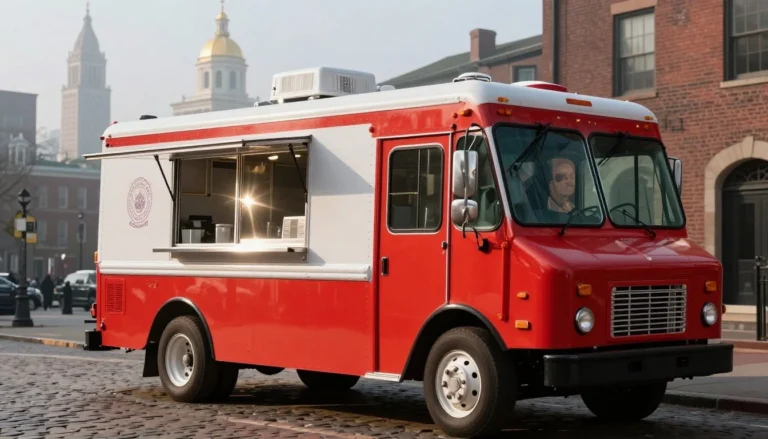
Food Truck Permit in Jersey City, NJ
Navigating the Food Truck Permit Process in Jersey City, NJ
Setting up a food truck business can be a rewarding venture, especially in a vibrant city like Jersey City, NJ. However, one of the first hurdles you’ll need to jump over is obtaining the necessary permits to operate legally. This guide provides a comprehensive overview of the food truck permit process in Jersey City, ensuring that you understand every step involved.
Understanding Food Truck Regulations in Jersey City
Before diving into the permit application, it’s essential to familiarize yourself with the local regulations regarding food trucks. Jersey City has specific laws and guidelines governing mobile food vendors, which aim to promote public health and safety while fostering a lively food culture.
The primary regulations are enforced by the Jersey City Health Department and the Department of Licensing and Inspections. You must comply with various codes, including health, safety, sanitation, and zoning laws. Understanding these regulations is crucial in streamlining the permit application process and avoiding potential setbacks.
Types of Permits Required
In Jersey City, you will need to obtain several permits before launching your food truck. These typically include:
1. Mobile Food Vendor License
This license is essential for anyone wishing to operate a food truck. The application process requires proof of identification, proof of business registration, and a detailed description of the food offerings.
2. Health Department Permit
A food truck must adhere to health and safety standards. This permit involves an inspection of your food truck and food handling practices by the Jersey City Health Department. You may need to submit documentation regarding food safety training, such as ServSafe certification.
3. Fire Department Permit
If your food truck uses cooking equipment that generates heat, such as grills or deep fryers, you will need a fire permit. This permits ensures that your truck meets safety regulations to prevent fire hazards.
4. Zoning Permit
Food trucks are subject to zoning regulations that determine where they can operate. This permit confirms that your business complies with local zoning laws and isn’t infringing on any restricted areas.
The Step-by-Step Application Process
Now that you’re informed about the types of permits required, let’s break down the application process step by step.
Step 1: Register Your Business
Before applying for permits, you should register your business with the State of New Jersey. This includes choosing a business structure (LLC, corporation, etc.) and obtaining an Employer Identification Number (EIN) from the IRS.
Step 2: Gather Required Documents
Preparation is key. Collect all necessary documents for your applications, including:
- Business registration certificate
- Proof of identity
- Food safety training certification
- Menu and descriptions of your food offerings
Step 3: Submit Applications
With your documents in hand, you can begin submitting applications:
- Mobile Food Vendor License: Visit the Jersey City Division of Licensing and Inspections to apply in person or check if you can file online.
- Health Department Permit: Contact the Jersey City Health Department to schedule an inspection and submit all required health documentation.
- Fire Department Permit: Reach out to the Jersey City Fire Department to request an inspection and complete the application process.
- Zoning Permit: Apply through the City Planning Division to ensure your operating locations comply with local zoning laws.
Step 4: Pay the Fees
Each permit will have associated fees. Be prepared to pay these fees during the application process. Ensure that you keep records of all transactions.
Step 5: Await Approval and Schedule Inspections
Once your applications are submitted, the respective departments will review your applications. You may need to schedule inspections, particularly for health and safety compliance. Ensure your food truck is ready for inspection and adheres to all local regulations.
Step 6: Obtain Your Permits
Once approved, you will receive your permits. It’s imperative to keep these documents on you while operating your food truck. They may need to be displayed prominently for inspection by local authorities.
Maintaining Compliance
After obtaining your permits, your responsibilities don’t end there. To operate your food truck legally and successfully, you must ensure ongoing compliance with all applicable regulations.
Regular Health Inspections
The Health Department may conduct periodic inspections, so maintain consistent food safety practices in your truck. Adhering to proper food handling, storage, and sanitation practices is not only about compliance—it’s about ensuring the safety and satisfaction of your customers.
Renewing Permits
Permits are not indefinite. Keep track of expiration dates and renew your permits as required. The application process for renewal may vary slightly, so be sure to check with the relevant departments ahead of time.
Keep Records
Keeping detailed records of your permits, inspections, and health compliance can help streamline future applications and demonstrate that you adhere to local regulations.
Building Relationships with Local Authorities
Establishing a positive relationship with local authorities can benefit your food truck business in the long run. Consider engaging with the community where you operate. Attend local events and network with other food vendors. Building rapport with the Jersey City Health Department, Fire Department, and local business associations can also provide you with valuable insights and support.
Choosing the Right Location
Once you’re set up with your permits, the next critical aspect is finding the right locations to operate your food truck. Jersey City has several hotspots that attract large crowds, including parks, major events, and popular neighborhoods. Research the most promising locations to maximize your business potential while also respecting any designated zones for food trucks.
Seasonal Considerations
The food truck business can be seasonal, especially in an area with cold winters. Consider alternative strategies for slower seasons. Some food trucks pivot to catering events or pop-up shops to maintain steady income throughout the year.
Marketing Your Food Truck
Now that you have your permits and the ideal location, it’s time to go public with your food truck. Develop a marketing strategy that includes social media, collaborations with local businesses, and engagement with the community.
Social Media Presence
In today’s digital age, a robust social media presence can significantly boost your visibility. Use platforms like Instagram and Facebook to showcase your menu, share promotional events, and communicate with your customers.
Loyalty Programs
Encouraging repeat business can increase profitability. Implementing a loyalty program, such as discounts or a free meal after a certain number of purchases, can foster customer loyalty.
Conclusion
Starting a food truck in Jersey City, NJ, can be a thrilling and fulfilling experience. However, navigating the permitting process requires diligence, awareness of regulations, and organizational skills. By following the steps outlined in this guide, you’ll be well positioned to launch a successful food truck operation that delights customers and adheres to local laws.
As you embark on this culinary journey, remember to stay informed about changes in local regulations and maintain strong relationships with the community and local authorities. With the right planning and execution, your food truck could become a beloved fixture in Jersey City’s diverse food scene.