Food Truck Permit in Lincoln, NE
Understanding the Food Truck Permit Process in Lincoln, NE
Food trucks are a vibrant and growing part of the local cuisine scene, offering creativity and convenience to food lovers. However, launching your food truck in Lincoln, Nebraska, requires navigating the local regulations, most importantly, obtaining the necessary permits. This comprehensive guide will provide you with all the essential details about securing a food truck permit in Lincoln.
What is a Food Truck Permit?
A food truck permit is an official authorization that allows you to operate a mobile food business within a specific jurisdiction—in this case, Lincoln, NE. This permit ensures that food trucks comply with local health, safety, and business regulations, enabling you to serve delicious food to the public legally.
Why You Need a Permit
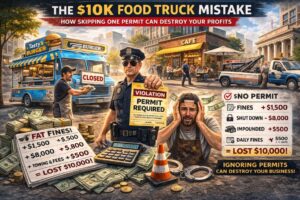
Operating without the necessary permits can lead to hefty fines, business closures, and legal consequences. From meeting health department standards to ensuring that your food truck complies with zoning laws, a food truck permit protects both you and the community you serve. It also builds community trust, demonstrating your commitment to safety and regulatory standards.
Types of Permits Required
In Lincoln, Nebraska, you may need to secure several types of permits to operate your food truck successfully. Here are the primary permits you should consider:
1. Mobile Food Unit Permit
This permit is mandatory for any food truck operating within Lincoln’s city limits. The application process includes submitting plans that showcase your menu, equipment, and food safety practices. Once approved, you’ll receive a mobile food unit permit, allowing you to operate your food truck legally.
2. Health Department Permit
Before serving food, you must pass a health inspection from the Lincoln-Lancaster County Health Department. This inspection will evaluate your compliance with safe food handling practices, sanitary conditions, and proper storage. It’s essential to familiarize yourself with local health codes to ensure you meet all requirements.
3. Business License
To legally operate your food truck, you need a business license from the City of Lincoln. This license covers all aspects of your mobile business and ensures compliance with local business regulations.
4. Fire Department Permit
Depending on your cooking methods, you may need a permit from the Lincoln Fire Department. If your food truck uses flammable materials or cooking equipment that produces grease-laden vapors, an inspection and permit application is typically required.
The Application Process
Navigating the application process for a food truck permit can be complex but manageable when you break it down into clear steps. Here’s a step-by-step guide to help you through the process:
Step 1: Business Planning
Before applying for any permits, have a clear business plan outlining your concept, target market, and menu. This will help you during the application process and ensure you have a solid foundation upon which to build your food truck business.
Step 2: Obtain Necessary Documents
Gather all necessary documents, including:
- Proof of business registration
- Insurance documents
- Food handling and safety certifications
- Completed permit applications
Step 3: Submit Applications
Submit your applications for the mobile food unit permit, health department permit, business license, and any other necessary permits. Be prepared to pay applicable fees, which can vary depending on the type and number of permits.
Step 4: Schedule Inspections
Coordinate with local health and fire departments to schedule any required inspections. Ensure that your food truck meets all safety, health, and operational standards.
Step 5: Receive Your Permits
Once all applications are submitted and inspections passed, you will receive your permits. It’s crucial to keep these documents accessible in your food truck at all times.
Step 6: Maintain Compliance
After obtaining your permits, ongoing compliance with health and safety standards is essential. Regular inspections by local authorities may occur, and keeping your permits renewed according to expiration dates is necessary.
Costs Associated with Licensing
Understanding the costs associated with obtaining a food truck permit in Lincoln is essential for budgeting. Here’s a breakdown of potential expenses you might encounter:
Application Fees
Each permit application typically has a fee associated with it. The fees can vary based on the type of permit and the current regulations in place; always check the City of Lincoln’s official website for updated fee schedules.
Health Inspection Fees
The health department may charge a fee for the initial inspection of your food truck. If you need to schedule follow-up inspections due to violations, additional fees may apply.
Business License Fees
Expect to pay a fee for securing your business license. This fee can vary based on business type and the specifics of your food truck operations.
Tips for a Smooth Permit Application Process
Navigating the permit application process can be daunting, but several tips can help streamline your experience:
Stay Informed
Stay updated on local regulations concerning food trucks in Lincoln. Regularly check the City of Lincoln’s website for any updates to permit requirements, fees, and zoning regulations.
Network with Other Food Truck Owners
Building relationships with other food truck owners in your area can provide invaluable insights into the permit process. Some may have recommendations for navigating the bureaucracy more effectively.
Be Thorough and Precise
Ensure all documentation submitted is complete and accurate. Incomplete or inaccurate applications can lead to delays or rejections, costing you valuable time and money.
Prepare for Inspections
Review your food truck’s equipment and food safety practices before inspections to help ensure you pass the first time. This preparation can save you time and expense on follow-up inspections.
Potential Challenges and How to Overcome Them
While the permit application process may seem straightforward, several challenges could arise. Here’s how to tackle common obstacles:
Delays in Approvals
Sometimes, city processing times can cause delays in receiving your permits. Having all your information organized and submitted promptly can help minimize potential hold-ups.
Failure to Meet Health Standards
If you fail an inspection, take it as an opportunity to improve your operations. Review the feedback provided and rectify any issues before your next inspection.
Understanding Zoning Restrictions
Zoning regulations can limit where food trucks can operate. Familiarize yourself with these regulations to ensure you’re not caught operating in a prohibited area.
Conclusion
Securing a food truck permit in Lincoln, NE, may seem complicated, but with the right approach and preparation, you can navigate the process successfully. By understanding the types of permits needed, the application steps involved, and how to maintain compliance, you’ll be well on your way to launching your food truck business in this vibrant community. Remember to leverage resources and community connections to ease your journey and ensure your food truck thrives!