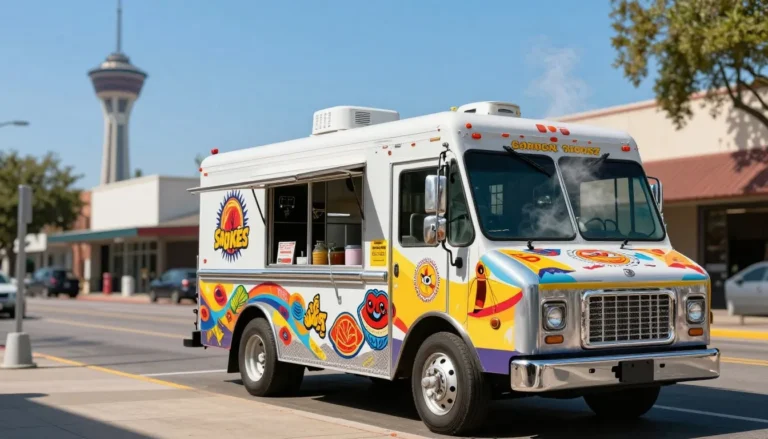
Food Truck Permit in Las Vegas, NV
Navigating the Las Vegas Food Truck Permit Maze: Your Essential 2026 Guide
Las Vegas pulses with energy far from the famous Strip. Food trucks roll in, offering fresh tacos, gourmet burgers, and fusion bites that draw crowds. You dream of joining them? The startup costs beat opening a full restaurant. Yet rules stand in the way. This guide walks you through every step to get your food truck permit in Las Vegas, NV. Think of it as your map to legal wheels on the road.
The food scene here booms. Trucks can pull in $100,000 or more a year if they hit the right spots. But skip the permits? You face fines or shutdowns. Let’s break it down. You’ll learn core needs, key permits, costs, and a clear checklist. By the end, you’ll know how to launch without headaches.
Section 1: Understanding the Core Requirements for Las Vegas Food Truck Operations
Food trucks in Las Vegas need solid basics to run smooth. You can’t just park and cook. Start with licenses that match your setup.
Business Licensing: The Foundational Step
First, register your business right. If you pick an LLC or corporation, head to the Nevada Secretary of State office. File papers online or in person. It sets up your legal name and protects your assets.
Next, grab a general business license. Go to the City of Las Vegas if you plan to operate inside city limits. For Clark County spots, like out near Summerlin, use county offices. Fees run about $200 to $500 based on your setup.
Pick your main zone early. It decides who issues your first license. Miss this? You might apply twice and waste time.
- Research your truck’s base location.
- Gather ID, business plan, and lease docs.
- Submit online for faster approval.
Many new owners overlook this step. It feels basic, but it unlocks everything else.
Health Department Approval: Food Safety is Paramount
Food safety rules keep everyone safe. The Southern Nevada Health District (SNHD) oversees this. You need a commissary agreement first. That’s a spot for cleaning and storing your truck when not in use. Kitchens or approved lots work.
Submit facility plans too. Show layouts for your truck’s sinks, fridges, and cooking gear. SNHD reviews for health code fits. Then comes the pre-op inspection. They check if your build matches plans.
SNHD data shows about 85% pass on the first try. Follow-ups happen if issues pop up, like missing handwash stations. Delays cost weeks. Plan ahead.
You might wonder: Why so strict? Vegas sees millions of visitors. One bad meal could spark big problems.
Vehicle Certification and Compliance
Your truck must meet safety standards. Fire risks are high with grills and gas. The Clark County Fire Marshal inspects for NFPA rules. They look at propane tanks, extinguishers, and ventilation.
Register the vehicle as commercial with Nevada DMV. Plates and tags differ from personal cars. Expect smog checks too.
Get commercial auto insurance before the fire check. It covers accidents and protects you. Policies start at $2,000 a year. Skip it? Inspectors won’t sign off.
Trucks often fail first inspections on hose connections or fire suppression. Fix quick to stay on track.
Section 2: Essential Permits and Zoning Restrictions in the Las Vegas Area
Permits go beyond basics. Zoning rules decide where you park and sell. Get these wrong, and police ticket you.
The Mobile Food Establishment Permit (MFEP)
The MFEP is your main operating license from SNHD. It lets you cook and serve on the move. Apply after health plans approve. Fees hit $600 to $800, plus plan reviews at $300.
Timeline? Submit docs, wait 4-6 weeks for review. Then inspect. Once passed, you get the permit sticker for your truck.
Take Tacos El Rey, a local hit. They nailed the MFEP in under two months by prepping all papers. Now they sling street tacos at markets. You can too with focus.
Renew yearly. Keep records clean to avoid lapses.
Zoning and Location Regulations for Vending
Zoning varies by spot. On private property, like a mall lot, get owner okay and a land use permit from the city. Public streets need rights-of-way approval. Stay 500 feet from fixed restaurants to avoid gripes.
Near the Strip? Clark County rules tighten. No blocking sidewalks or casino entrances. Events like First Friday demand extra nods.
Local planner Maria Lopez says, “Most errors come from ignoring buffer zones. Check maps first, or face relocation fees.” She sees it often.
Use city apps to map zones. It saves trips to offices.
- Private lots: Owner contract plus city permit.
- Streets: No-parking variances.
- Strip areas: Special event only.
Follow these, and you pick prime spots without fights.
Navigating Special Event and Temporary Vending Permits
Events amp up sales. Festivals like Life is Beautiful or Raiders games need temp permits. SNHD issues short-term MFEPs for 1-7 days. Fees are $100 to $300.
For catering at conventions, add a vendor badge from the venue. Downtown spots like Container Park require their own apps.
Apply 30 days ahead. Inspectors check your setup on-site. Miss a detail? No entry.
One truck owner shared how a quick permit got them into a pool party gig. Sales doubled that night.
Section 3: Financial Obligations and Ongoing Compliance
Money matters hit hard. Budget for fees and keep up with rules. It keeps your business alive.
Understanding Permit Fees and Taxes
Initial costs add up. Business license: $200-$500. Health plan review: $300. MFEP: $600+. Vehicle cert: $150. Total? Around $1,500 to $2,500 in Clark County.
Ongoing? Renew licenses yearly for $400 or so. Sales tax goes monthly or quarterly to Nevada. Rates hover at 8.375%.
Track everything. Apps like QuickBooks help. Save receipts for tax breaks.
Budget extra for surprises, like re-inspections at $100 each.
Insurance Requirements for Liability Protection
Liability insurance is a must. City rules set $1 million minimum for general coverage. It handles slips, food issues, or truck crashes.
Add event hosts as “additional insured.” It covers their spots too. Auto insurance needs $500,000 bodily injury limits.
Shop quotes from providers like Progressive. Costs vary by truck size and history.
No insurance? No permits. One claim without it could sink your startup.
Employee Licensing and Food Handler Cards
Staff must train up. Every food handler gets an SNHD Food Handler Card. It’s a quick online course, $15, good for three years.
Managers need the higher Food Protection Manager cert. Costs $100, involves a test.
All employees? They wear cards on lanyards. Inspectors check. Fines hit $250 per violation.
Train your team early. It boosts safety and speeds inspections.
Section 4: The Step-by-Step Application Checklist
Ready to apply? Follow this path. It cuts confusion.
Phase 1: Preparation and Documentation
Start with basics. Secure a commissary deal. Sign with a shared kitchen. Finalize your truck build from a list SNHD provides. Get an EIN from the IRS—it’s free online.
Snap photos of every build step. Include wiring, plumbing, and storage. Pack them in your submission.
Tip: Label folders by phase. It makes reviews easy for officials.
Double-check addresses. Mismatches delay everything.
Phase 2: Submitting and Following Up
Order matters. File business license first. Then SNHD plan review. Submit MFEP app next.
Turnaround? Business license: 1-2 weeks. Health review: 4 weeks. Follow up by phone or email.
Fire marshal sign-off often bottlenecks. Schedule early; waits hit two weeks.
Track status online. Persistence pays.
Phase 3: Final Inspections and Launch Authorization
Inspectors arrive for the big check. SNHD eyes sanitation, temps, and waste. Fire folks test systems.
They hunt for leaks, proper seals, and clear exits. Pass? Get stickers and placards. Post them visible.
No go? Fix and rebook. Ops start only after full approval.
Celebrate that first legal shift.
Conclusion: Securing Your Spot in the Las Vegas Culinary Ecosystem
You now hold the keys. The path runs: Business license, then commissary, health review, vehicle checks, and final permits. Stick to it.
SNHD rules demand care. One slip causes months of waits and extra cash. Plan six months out for your launch.
Vegas waits for your flavors. Grab those permits. Fire up the grill. Your food truck adventure starts now. What’s your menu? Hit the road and serve up success.