Sidewalk Vending Permit in Oakland, CA
Understanding the Sidewalk Vending Permit in Oakland, CA
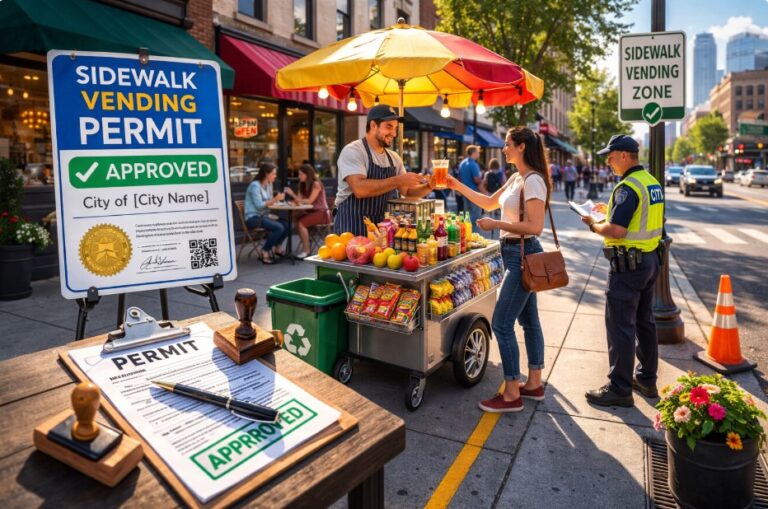
In the vibrant city of Oakland, California, sidewalk vending has emerged as a popular way for entrepreneurs to connect with their community and offer unique products, from food to handmade crafts. However, to ensure public safety and maintain orderly streets, sidewalk vendors must obtain a permit. This guide will delve into the specifics of obtaining a sidewalk vending permit in Oakland, its requirements, and its significance for vendors and the community alike.
What is Sidewalk Vending?
Sidewalk vending refers to the practice of selling goods or services from a mobile cart or stall on public sidewalks. It provides individuals, particularly those from marginalized communities, with an accessible means to start their own businesses and contribute to the local economy. In places like Oakland, with a rich cultural landscape, sidewalk vending not only supports diverse business ventures but also enhances the city’s street life.
Why is a Permit Necessary?
Permitting is crucial for several reasons:
- Public Safety: Permits ensure that vendors adhere to health and safety regulations, minimizing risks associated with food handling and public interactions.
- Orderly Use of Public Space: By regulating sidewalk vending, cities can prevent overcrowding on sidewalks, ensuring that pedestrians can navigate freely.
- Equity and Fairness: Permitting helps create a level playing field for all vendors while allowing the city to manage its public space effectively.
Overview of the Sidewalk Vending Permit Process in Oakland
The process to obtain a sidewalk vending permit in Oakland is designed to be straightforward yet thorough, ensuring that all vendors understand their legal obligations.
Step 1: Understand the Types of Permits
In Oakland, vendors may need different types of permits depending on what they wish to sell. The primary categories include:
- Food Vending Permit: For those selling prepared foods, drinks, or snacks.
- Non-Food Vending Permit: For vendors offering crafts, clothing, or other non-perishable goods.
Step 2: Application Submission
Vendors must fill out an application form, which can usually be accessed through the Oakland city website or at relevant municipal offices. The application typically requires:
- Personal information (name, address, phone number)
- Business details (business name, description of goods/services)
- Proposed vending location(s)
- A clear description of the vending setup (cart dimensions, seating, etc.)
Step 3: Safety and Health Compliance
For food vendors, compliance with health department regulations is non-negotiable. This means:
- Providing proof of food handler training
- Meeting sanitation guidelines, including food storage and preparation requirements
Step 4: Insurance Requirements
Vendors are generally required to carry liability insurance to cover potential claims that may arise from their business activities. This is an essential step that protects both the vendor and the city.
Step 5: Fees and Approvals
Once the application is completed, vendors must pay a fee. The cost can vary depending on the type of permit and the duration for which it is valid. After submitting the application and paying the fees, vendors can expect approval or requests for additional documentation. The typical turnaround time for permit approval can range from a few weeks to a couple of months.
Step 6: Permit Issuance
Upon successful review, a permit will be issued. Vendors should ensure that they understand all stipulations outlined in their permit, including limitations regarding hours of operation, maximum sizes for vending units, and specific locations where they are allowed to set up.
Compliance with Local Regulations
Once a vendor receives their permit, ongoing compliance with city regulations is essential. Vendors must:
- Maintain cleanliness around their vending locations
- Adhere to the hours of operation designated by their permit
- Ensure accessibility for pedestrians
- Abide by any specific rules regarding the sale of particular items (for example, certain areas may restrict sales of alcohol)
Community Impact and Cultural Significance
Sidewalk vending goes beyond mere entrepreneurship; it reflects the dynamic spirit of Oakland. Vendors often represent diverse cultures and culinary traditions, contributing to the city’s social fabric. Street food, for instance, has become a representation of Oakland’s multicultural identity, drawing in residents and tourists alike.
Moreover, sidewalk vending creates an informal economy that gives opportunities to those who may struggle to find conventional employment. For many, it serves as a stepping stone to larger business ventures, fostering innovation and creativity in underserved neighborhoods.
Challenges Faced by Vendors
Despite the benefits, sidewalk vendors in Oakland face several challenges:
- Regulatory Hurdles: The application, approval, and compliance process can be complicated, especially for new entrepreneurs unfamiliar with local laws.
- Competition: With many vendors vying for customers, standing out in a crowded market can be challenging.
- Zoning and Location Limitations: Not all areas are permissible for sidewalk vending, and some sought-after locations can be heavily regulated.
Resources for Vendors
To assist vendors in navigating the process, various resources are available in Oakland:
- City of Oakland’s Office of Economic and Workforce Development: This office provides information on permits and resources for small businesses.
- Local Business Alliances: Many local organizations offer training, mentorship, and support for vendors, helping them through the startup phase.
- Workshops and Training Programs: These can help vendors understand business management, food safety, and marketing strategies to enhance their sales.
Conclusion
The Sidewalk Vending Permit in Oakland, CA, is more than just a piece of paper; it’s a symbol of entrepreneurial spirit and community engagement. While the permitting process can be challenging, it safeguards public health and safety, ensuring that the vibrancy of Oakland’s streets can thrive in an orderly manner. For anyone looking to start their sidewalk vending journey, understanding the requirements and implications of obtaining a permit is a vital first step toward contributing to Oakland’s rich tapestry of street culture. With the right preparation and support, vendors can flourish and make meaningful connections with both the community and the city’s ever-growing marketplace.
As Oakland continues to evolve, sidewalk vending will remain a crucial component of its economic landscape, welcoming a diverse array of products and services that enrich the community and celebrate the city’s unique identity.