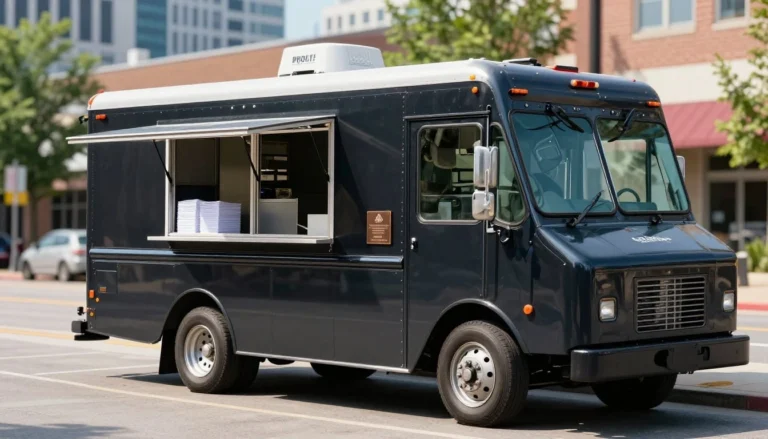
Food Truck Permit in Baltimore, MD
Launching a Food Truck in Baltimore, MD: Your Complete 2026 Permit Guide
Baltimore’s food scene blends Chesapeake seafood, global flavors, and creative street eats. From the Inner Harbor to Fells Point, food trucks are part of the city’s culture. But before serving crab cakes or gourmet sandwiches, you must navigate Baltimore’s permitting system. Getting a food truck permit in Baltimore, MD involves approvals from city health, licensing, zoning, and fire departments. This guide breaks down the full process so you can launch legally and confidently.
Section 1: Understanding Baltimore’s Regulatory Framework for Mobile Vendors
Baltimore regulates food trucks as mobile vendors under city and state laws. Multiple agencies oversee operations to ensure food safety, traffic flow, and public safety compliance. Knowing the structure ahead of time helps avoid delays.
Definition of a Food Truck in Baltimore
A food truck in Baltimore is a licensed motorized vehicle or trailer equipped to prepare and sell food. Units must be self-contained with approved cooking equipment, refrigeration, potable water tanks, wastewater storage, and handwashing stations.
Trailers must comply with Maryland vehicle registration requirements. Units must pass health and fire inspections before operating within city limits.
Key Agencies Involved
Baltimore City Health Department (BCHD) oversees food safety permits and inspections. Baltimore City Department of Finance issues trader’s licenses and business registration. Department of Transportation (DOT) regulates vending locations. Baltimore City Fire Department conducts fire safety inspections.
You must receive approval from each applicable department before serving customers. Health department approval is typically required before other city permits are finalized.
Zoning and Location Restrictions
Food trucks in Baltimore must operate in designated vending zones. Certain downtown and waterfront areas require additional permits. Vendors must maintain required distance from brick-and-mortar restaurants and avoid blocking pedestrian or vehicle traffic.
Operating on private property requires written consent from the property owner. Special events may require temporary event permits through the city.
Section 2: Health Permit Requirements (Baltimore City Health Department)
The health permit is mandatory before selling food. The Baltimore City Health Department ensures compliance with Maryland food safety regulations.
Plan Review and Application Submission
You must submit a detailed plan review including your full menu, equipment specifications, plumbing layout, water tank capacities, wastewater disposal method, and commissary agreement.
Review time typically ranges from 2–4 weeks. Incomplete applications delay approval. Secure your commissary agreement before submission to streamline the process.
Commissary Kitchen Requirement
Baltimore requires mobile food units to operate from a licensed commissary kitchen. This facility is used for food storage, water refilling, wastewater disposal, and equipment cleaning.
A signed commissary agreement must be submitted during the health permit application process. Failure to maintain a commissary relationship can result in permit suspension.
Food Protection Manager Certification
At least one operator must hold a Maryland Certified Food Protection Manager certification. Food handler training may also be required for employees.
Certificates must be valid and available during inspection. Renewals follow Maryland state timelines.
Section 3: Business Licensing and Trader’s License
In addition to health permits, food truck owners must obtain proper business registration and a Maryland Trader’s License.
Maryland Trader’s License
A Trader’s License is required to sell goods in Maryland. The license is issued through the Circuit Court and fee amounts vary based on inventory value.
You must also register your business with the Maryland Department of Assessments and Taxation before applying.
Vending Site Permit
Baltimore requires mobile vendors to obtain location-specific permits for approved vending zones. Fees vary depending on the area and duration.
Operating outside permitted areas can result in fines and revocation of your vending privileges.
Section 4: Fire Safety and Vehicle Compliance
The Baltimore City Fire Department inspects food trucks using propane, fryers, or open flames. Fire suppression systems and properly rated extinguishers are mandatory.
Vehicles must also meet Maryland Motor Vehicle Administration registration and insurance requirements. Commercial auto insurance and general liability coverage are typically required.
Section 5: Estimated Costs and Financial Planning
Estimated initial costs may include:
- Health Permit & Plan Review: $300–$700
- Trader’s License: Varies by inventory value
- Vending Site Permit: $200–$600
- Fire Inspection: $100–$300
- Insurance: $2,000+ annually
Total startup permit-related costs often range between $1,500–$3,000, excluding vehicle purchase and build-out expenses.
Conclusion: Starting Your Baltimore Food Truck the Right Way
Success in Baltimore starts with three essentials: secure a licensed commissary, pass your health inspection, and obtain the proper trader and vending licenses. Planning ahead prevents delays and costly fines.
With the right permits in place, your food truck can thrive in Baltimore’s vibrant culinary scene. Start early, stay organized, and build your business on a solid legal foundation.