Food Truck Permit Process in Chesapeake, VA
Understanding the Food Truck Permit Process in Chesapeake, VA
If you’re considering starting a food truck business in Chesapeake, Virginia, you need to be aware of the necessary permits and regulations in order to operate legally and successfully. This guide will navigate you through the key aspects of obtaining a food truck permit, ensuring you follow local laws while serving delicious food to your customers.
What is a Food Truck Permit?
A food truck permit is a legal authorization required to operate a mobile food vending establishment. This permit often involves compliance with health and safety regulations, zoning requirements, and local business licenses. In Chesapeake, the process is structured to protect both the vendors and the community, ensuring that food safety standards are upheld.
Why Are Permits Necessary?
Permits are crucial for various reasons:
- Health and Safety: They ensure that the food served meets safety standards to prevent foodborne illnesses.
- Regulatory Compliance: They help businesses comply with local zoning laws and business regulations, which vary by location.
- Community Welfare: Permits help municipalities manage food vendors in a way that promotes fair competition and supports local businesses.
The Steps to Obtain a Food Truck Permit in Chesapeake
1. Research Local Regulations
Before starting the application process, familiarize yourself with the local laws governing food trucks in Chesapeake. Visit the City of Chesapeake’s official website or contact the city’s Planning Department for up-to-date information regarding regulations concerning food trucks, including specific areas where you can operate.
2. Obtain a Business License
Before applying for a food truck permit, you must first obtain a business license. You will need to register your business name and choose the appropriate business structure (e.g., LLC, sole proprietorship). Gather the necessary documentation, including identification and tax forms, and submit your application through the City of Chesapeake’s Business License Division.
3. Health Department Approval
Food trucks in Chesapeake are subject to health regulations enforced by the Chesapeake Health Department. Prospective food truck operators should take the following steps:
- Attend Food Safety Training: Enroll in and complete a food safety course, which is often a requirement for food service workers.
- Obtain a Health Permit: Submit an application for a health permit. This usually involves an inspection of the food truck to ensure compliance with health regulations, including proper food handling, storage, and sanitation practices.
4. Apply for the Food Truck Permit
After securing your business license and health permit, the next step is to apply for your food truck permit. Here’s what you typically need to do:
- Complete the Application Form: Fill out the food truck permit application available through the City’s website or at the Planning Department.
- Provide Required Documentation: Attach necessary documents, which may include proof of your business license, health permit, vehicle registration, insurance, and a copy of your menu.
- Pay the Fees: Be prepared to pay applicable fees associated with processing your application.
5. Zoning Approval
Chesapeake has specific zoning laws pertaining to food trucks. Before operating, you may need prior approval for the areas where you intend to park and serve food. Check the zoning requirements in your chosen operating areas, which might include:
- Approved Locations: Identifying suitable public spaces or private properties where vending is permitted.
- Time Restrictions: Being aware of any time limitations for operation, which can vary by location.
6. Vehicle and Equipment Inspections
Your food truck will need to undergo a thorough inspection to ensure it meets all regulatory standards concerning food storage, preparation, and sanitation. Keep the following points in mind:
- Compliant Equipment: Ensure that your truck is equipped with all necessary kitchen appliances and equipment, which meet health codes.
- Fire Safety: Depending on your cooking methods, you may need to comply with fire safety regulations, including having fire extinguishers on board.
Costs Associated with Permits
Understanding the various fees associated with the permitting process is vital for budgeting your food truck venture. Some common costs include:
- Business License Fees: These fees vary depending on your business structure and revenue projections.
- Health Permit Fees: Typically, there are health inspection fees associated with obtaining and renewing your permit.
- Food Truck Permit Fees: This fee can vary based on local regulations, and it’s essential to confirm the amount when you apply.
Renewing Your Permits
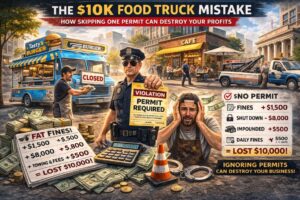
Once you have obtained your food truck permit and other necessary licenses, remember that these documents typically expire and need to be renewed periodically. Keep track of renewal dates and ensure you submit any required documentation and payment on time to avoid penalties or interruptions to your business.
Marketing Your Food Truck
Having your permits in place is just the beginning; you will also need to market your food truck effectively. Consider the following strategies:
- Social Media Presence: Utilize social media platforms to promote your menu, daily locations, and special offers. Engaging with customers online can help build community support and encourage repeat business.
- Events and Festivals: Participate in local events or food festivals to increase visibility and attract new customers.
- Partnerships: Collaborate with other local businesses or vendors for cross-promotions, benefitting both parties involved.
Understanding the Competition
Before launching your food truck, it’s vital to understand who your competition is. Research other food trucks operating in Chesapeake and identify what makes your offering unique. What type of cuisine will you specialize in? How can you differentiate your brand in a crowded market? Creating a solid business plan while analyzing the competition will provide valuable insights into establishing your presence successfully.
Conclusion
Starting a food truck business in Chesapeake, VA, can be an exciting venture filled with opportunities for culinary creativity and community engagement. However, ensure you navigate the permit application process thoroughly and comply with local regulations to secure your success. By understanding the necessary steps to obtain permits and market your business effectively, you’ll be well on your way to serving delicious food while operating within the legal framework of the city. Always remember to stay updated with any changes in local laws and actively engage with your community to build a loyal customer base for your food truck.