Food Truck Permit in St. Petersburg, FL
Food Truck Permit in St. Petersburg, FL
Introduction
Food trucks have become a vibrant part of the culinary landscape in cities across the United States, and St. Petersburg, Florida, is no exception. With its beautiful weather, bustling tourism, and local events, it’s no wonder that many entrepreneurs are considering jumping into the food truck business. However, before you rev up your engines and hit the streets, it’s crucial to understand the permit and licensing requirements specific to St. Petersburg. This guide aims to clarify the necessary steps to secure a food truck permit in this lovely city.
Understanding the Basics of a Food Truck Business
Launching a food truck involves more than just cooking delicious food. It requires familiarity with operational logistics, zoning regulations, and health codes, all of which entail acquiring the appropriate permits. The first step in this thrilling adventure is to familiarize yourself with the local laws governing food trucks in St. Petersburg.
Why You Need a Food Truck Permit
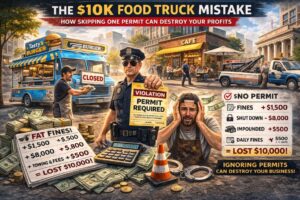
A food truck permit is more than just a piece of paper—it’s your key to operating legally and responsibly. Without it, you risk fines, citations, or even getting shut down. Additionally, compliance with local health regulations not only keeps you legal but also ensures the safety of your customers.
Types of Permits Required
In St. Petersburg, you will typically need several permits to operate your food truck legally:
1. Mobile Food Dispensing Vehicle (MFDV) Permit
This is the primary permit you will need. The MFDV permit allows you to prepare and serve food directly to the public from your vehicle. To obtain this permit, you must pass an inspection, demonstrating that your food truck meets all safety and sanitation standards.
2. Business License
You must also obtain a business license from the City of St. Petersburg. This license legitimizes your business and signifies that it conforms to local economic regulations.
3. Food Service Establishment Permit
In addition to your MFDV permit, a food service establishment permit is required if you plan to prepare food on-site. This permit ensures compliance with health regulations and standards pertaining to food safety.
4. Sales Tax Permit
As a food truck operator, you will be selling food and beverages, which means you must collect sales tax from your customers. A sales tax permit from the Florida Department of Revenue is essential for complying with tax laws.
5. Zoning Permit
Finally, understanding where you can set up shop is vital. A zoning permit will clarify the areas in which you are allowed to park your food truck and operate your business.
Steps to Obtain Your Food Truck Permit
Step 1: Research Local Regulations
Before applying for any permits, do thorough research on the specific regulations and requirements in St. Petersburg. Each city has its own set of rules that can change frequently. Resources such as the City of St. Petersburg’s official website, social media groups, or local entrepreneurial organizations can provide valuable information.
Step 2: Prepare Your Business Plan
A well-structured business plan will help clarify your goals, target market, operational strategies, and financial projections. Additionally, many permit applications will require information that can be gleaned from your business plan.
Step 3: Obtain Necessary Inspections
You will need to schedule inspections to ensure your food truck meets health, safety, and sanitation standards. It’s wise to have your mobile kitchen set up and ready for inspection prior to applying for permits.
Step 4: Apply for Your Permits
Once you have all your paperwork in order, the next step is to submit applications for the necessary permits. Be prepared to pay applicable fees, which can vary based on the type of permit you’re applying for.
Step 5: Wait for Approval
Permit approval can take time, so it’s crucial to be patient. During this waiting period, you can work on additional aspects of your business, like marketing and menu development.
Step 6: Comply with Local Health Standards
Make sure your food truck continuously complies with local health standards. This may require regular inspections and keeping your truck clean and properly maintained.
Choosing Your Location Wisely
While having the right permits is critical for legal operation, choosing the right locations for your food truck can significantly impact your success. Areas with high foot traffic—such as downtown St. Petersburg, near local festivals, or close to events—are ideal spots for food trucks. Remember to comply with local zoning laws when selecting these locations.
Insurance Considerations
Obtaining the proper insurance coverage is crucial for any food truck operator. The insurance will protect your business against liability claims, property damage, and other unforeseen circumstances. Consult with an insurance agent who specializes in food service businesses to identify the best policy for your needs.
Marketing Your Food Truck
Now that you’re legal and operational, it’s time to market your food truck. Establish a social media presence to engage with your audience. Posting daily menus, specials, and locations will help attract customers. Also, consider leveraging popular local events to gain visibility and customer base.
Networking with Other Food Truck Owners
Connecting with other food truck owners is invaluable. They can provide insights into navigating the local business landscape, sharing tips about sourcing ingredients, and establishing vendor relationships for events and festivals.
Understanding the Financial Requirements
Money management is crucial for a food truck business. You’ll need to budget for expenses, including permits, maintenance, insurance, supplies, and marketing. Additionally, prepare for fluctuating income, especially when starting out.
Events and Festivals: Opportunities for Growth
St. Petersburg hosts many local events and festivals which are perfect opportunities for food trucks. Participating in these events can increase your visibility and introduce your brand to new customers. Make sure to check in advance regarding any additional permits or regulations for vending at special events.
Conclusion
Navigating the world of food trucks in St. Petersburg is an exciting venture, but it requires careful attention to legal details. Obtaining the necessary permits and licenses will enable you to operate a successful, legally compliant food truck. By understanding local regulations, preparing adequately, and utilizing marketing strategies effectively, you’ll be well on your way to establishing a thriving food truck business in this beautiful Florida city.
Call to Action
If you’re ready to take the plunge into the vibrant food truck scene in St. Petersburg, start researching today! Gather your materials, reach out to local officials for insights, and begin the process of making your culinary dreams a reality. The food truck journey awaits you, and with the right permits and preparation, you’ll be serving delicious meals in no time!
If you need further assistance or have specific questions about any stages of the process, feel free to reach out! Good luck with your new food truck venture in St. Petersburg, FL!