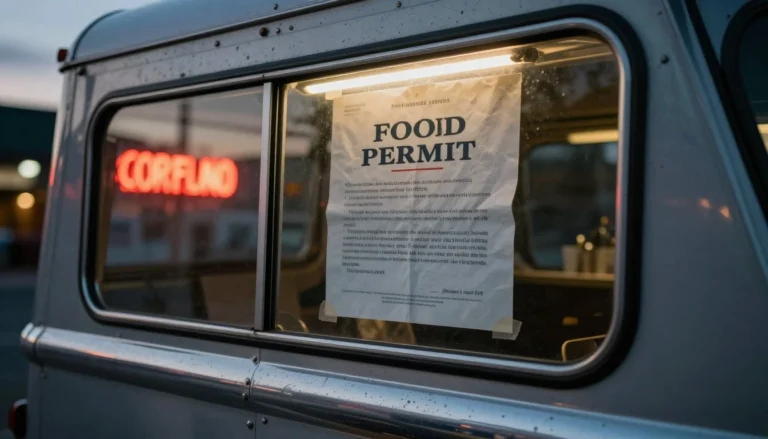
Food Truck Permit in Cape Coral, FL
Food Truck Permit in Cape Coral, FL
Introduction to Food Truck Permits
Starting a food truck business can be an exhilarating venture filled with opportunities to bring culinary delights to the streets of Cape Coral, FL. However, one of the most critical steps in establishing your food truck is obtaining the necessary permits. A food truck permit is a legal document that allows you to operate your mobile food business within the designated area. In Cape Coral, specific regulations dictate how food trucks can operate, requiring prospective owners to navigate the permitting process carefully.
Why Do You Need a Food Truck Permit?
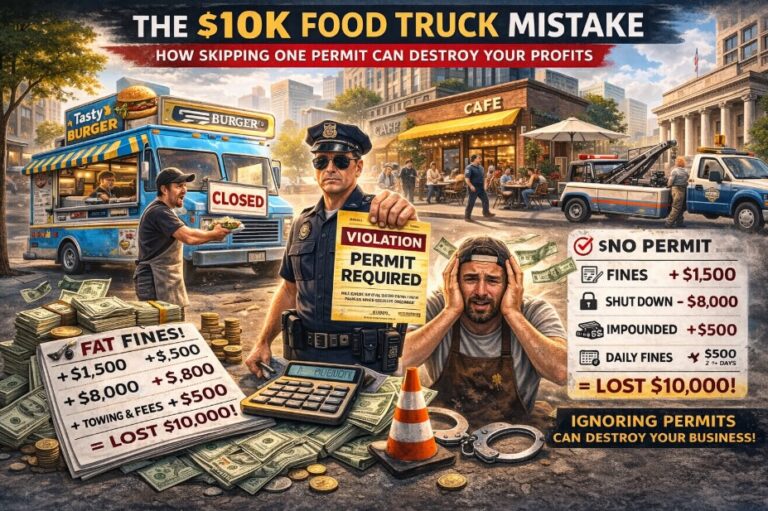
Operating a food truck without the proper permits can lead to fines, business shutdowns, and potential legal troubles. The permit ensures compliance with local health, safety, and zoning regulations. Additionally, it provides assurance to your customers that you’re following the necessary guidelines to serve food safely. With the right permits in hand, you can build a reputable business that thrives in the vibrant culture of Cape Coral.
Understanding Local Regulations
The City of Cape Coral has regulations regarding food truck operations, focused on aspects such as location, safety standards, and operational hours. Familiarizing yourself with these regulations is paramount before launching your food truck. If you are unsure where to find this information, the city’s official website or local business association can be invaluable resources.
Types of Permits Required
In Cape Coral, several types of permits may be required before operating your food truck. Some of these include:
- Business License: A city-issued license that allows you to conduct business in Cape Coral.
- Food Service Permit: Issued by the Florida Department of Business and Professional Regulation, this permit verifies that your food truck meets health and safety standards.
- Mobile Food Dispensing Vehicle Permit: Specific to food trucks, this permit ensures that your mobile unit complies with local health codes.
- Zoning Permit: Depending on where you plan to operate, you may need a zoning permit to ensure that your food truck’s location adheres to land use regulations.
- Event Permits: If you plan to operate at events or festivals, you may need additional permits specific to those occasions.
How to Apply for a Food Truck Permit
The process of applying for a food truck permit in Cape Coral can seem complex, but breaking it down into manageable steps can simplify it:
Step 1: Research and Gather Information
Begin by researching the specific requirements for each permit. Gather necessary documents, such as proof of identity, food safety training certification, and vehicle registration.
Step 2: Prepare Your Food Truck
Before applying for permits, ensure that your food truck meets all health and safety codes. You may want to consult with local health inspectors for guidance on compliance.
Step 3: Submit Applications
Submit your applications for the various permits through the appropriate channels. Most likely, you will submit some applications online, while others may need to be delivered in person.
Step 4: Pay Any Necessary Fees
Be prepared to pay fees associated with your permit applications. These fees can vary depending on the type of permit and resources required to process your application.
Step 5: Await Approval
Once submitted, you will need to wait for the city to process your applications. This can take some time, so it’s best to apply well in advance of your desired start date.
Food Safety Considerations
Food safety is critically important in the food service industry. When operating a food truck, you must comply with the Florida regulations that ensure the health and safety of your customers. This includes:
- Maintaining proper food temperatures.
- Regularly cleaning and sanitizing equipment.
- Implementing safe food handling practices.
Undergo regular food safety training and remain updated on best practices. This will not only help secure permits but also build trust with your customers.
Location and Zoning Considerations
Selecting a prime location for your food truck can significantly impact your business. However, zoning regulations in Cape Coral dictate where food trucks can operate. Consider the following:
- High foot traffic areas: Seek locations in busy commercial districts, near parks, or at local events.
- Proximity to competitors: While some competition can be healthy, ensure you aren’t too close to established food trucks or restaurants without unique offerings.
- Zoning restrictions: Always check if the area is zoned for food truck operations and whether you will need to obtain permits for specific spots or events.
Tips for Success in the Food Truck Industry
The food truck industry can be rewarding, but it comes with its own unique challenges. Here are some tips to help you succeed:
- Create a Unique Menu: Stand out by offering unique, high-quality food options that resonate with your target audience.
- Engage with Customers: Build a loyal customer base by engaging with your patrons through social media and at the truck.
- Stay Organized: Keep a record of your permits, inspections, and other important documentation to ensure compliance and smooth operation.
- Network with Other Food Truck Owners: Connect with local food truck owners for guidance, collaboration, and community support.
Preparing for Inspections
As part of the permitting process, you may be subject to inspections by health and safety officials. It’s crucial to prepare adequately:
- Ensure that your truck is clean and organized.
- Keep all food handling and storage areas sanitary.
- Review food safety procedures with your staff.
These inspections can be an opportunity to demonstrate your commitment to quality and safety, making it easier to obtain and maintain your permits.
Navigating Challenges
Like any business, food trucks face challenges, whether it’s strict regulations, seasonal slowdowns, or competition. Being prepared to navigate these challenges is vital:
- Stay Informed: Keep up with changes in local regulations and trends in the food truck industry.
- Be Flexible: Adapt your menu and operations to meet customer demands and economic shifts.
- Plan for Seasonality: Consider adjusting your business model to account for seasonal fluctuations in foot traffic and events.
Conclusion
Navigating the complexities of obtaining a food truck permit in Cape Coral, FL, can be daunting, but with the right knowledge and preparation, it can also be a straightforward process. Understanding state and local regulations, preparing your food truck for inspection, and keeping abreast of safety standards are crucial steps to ensure a successful and compliant food truck operation. By thoroughly researching and meticulously preparing, you’ll be poised to enjoy a fruitful venture in Cape Coral’s thriving food scene.
As you embark on this exciting journey, don’t forget to engage with your community, serve exceptional food, and have fun sharing your culinary creations with residents and visitors alike. Whether you’re a seasoned chef or a budding entrepreneur, the food truck business in Cape Coral has immense potential, and with the correct permits, you can hit the ground running!
If you’re considering starting a food truck in Cape Coral, FL, and have questions about the permitting process, feel free to reach out to relevant local authorities or associations for assistance.