Food Truck Permit in Norfolk, VA
Food Truck Permit in Norfolk, VA
Introduction to Food Truck Permits
Starting a food truck business can be an exciting entrepreneurial venture. In Norfolk, VA, just like in many other cities, food trucks have become increasingly popular given their mobility and versatility. However, before hitting the streets to serve delicious meals, aspiring food truck owners must understand the necessary permits and regulations governing their operations. This guide will provide an overview of the food truck permit process in Norfolk, VA, covering everything from application procedures to local health regulations.
Understanding Food Truck Permits
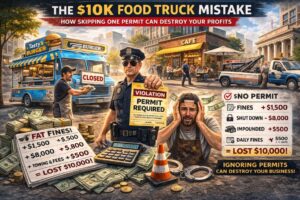
A food truck permit is a legal authorization that allows mobile food vendors to operate in a specific area. It ensures that food trucks meet health, safety, and zoning regulations to protect public health. In Norfolk, these permits are regulated by the local government and must be renewed periodically.
Types of Permits Required
Business License
Before applying for a food truck permit, you must first obtain a business license. This license serves as an essential legal requirement for all businesses operating in Norfolk. The application can typically be completed online or in person at the city’s Department of Finance. You will need to provide information such as your business name, address, and structure.
Health Permit
Another crucial permit is the health permit, issued by the Norfolk Department of Public Health. To obtain this permit, your food truck must meet specific health and sanitation regulations. The application process includes submitting your menu, kitchen layout, and undergoing inspections to ensure compliance with health codes.
Food Truck Permit
After securing the necessary business and health permits, you can apply for your food truck permit. This permit allows you to operate your food truck on city streets and at events. The application may require you to provide details such as the type of food you will serve, your operational hours, and locations where you plan to set up.
Zoning Permit
Depending on where you plan to park your food truck, you may also need a zoning permit. This permit ensures that your business complies with local zoning laws, which determine where food trucks can legally operate.
The Application Process
Step 1: Gather Necessary Documents
Before you begin the application process, ensure you have all required documents. This typically includes:
- Identification (driver’s license, etc.)
- Business registration documentation
- Menu and food safety plan
- Proof of insurance
- Vehicle registration
Step 2: Apply for Business License
Visit the City of Norfolk’s official website or the Department of Finance to complete your business license application. Pay the necessary fees, and wait for your application to be processed.
Step 3: Obtain Health Permit
Contact the Norfolk Department of Public Health to initiate the health permit application. Schedule a pre-inspection, which will help you understand the health regulations you need to follow. After making any required changes, you will undergo a final inspection.
Step 4: Apply for Food Truck Permit
Once you have your business and health permits, fill out the food truck permit application from the city’s official website. Ensure that all information is accurate to avoid delays in the approval process.
Step 5: Acquire Zoning Permit (if applicable)
If required, apply for a zoning permit through the Department of Planning. This step can involve community hearings, so be prepared to present your case for operating in a desired location.
Step 6: Review and Approval
After submitting all applications, monitor their status and be prepared to provide any additional information requested by city officials. This process may take several weeks, so plan accordingly.
Costs Associated with Food Truck Permits
Operating a food truck comes with various costs, including:
- Business License Fee: [amount]
- Health Permit Fee: [amount]
- Food Truck Permit Fee: [amount]
- Zoning Permit Fee (if required): [amount]
- Additional costs such as vehicle registration and insurance.
It’s essential to budget for these expenses to ensure a smooth start to your food truck business.
Insurance Considerations
In addition to obtaining the necessary permits, food truck operators should also consider securing insurance coverage. Insurance helps protect your business from potential liabilities and accidents. Types of insurance to consider include:
- General Liability Insurance
- Commercial Auto Insurance
- Workers’ Compensation Insurance (if you have employees)
Consult with an insurance professional to determine the best coverage for your needs.
Complying with Health and Safety Regulations
Food safety is paramount for any food-related business. In Norfolk, food truck owners must adhere to strict health and safety guidelines, including:
- Proper food handling and storage
- Regular equipment maintenance
- Comprehensive employee training on food safety protocols
Staying compliant with these regulations helps safeguard your customers and maintain your reputation as a reputable food vendor.
Positioning Your Food Truck
Selecting the right locations for your food truck is crucial. Consider high-traffic areas, local events, and partnerships with businesses or festivals. Understanding the local dining landscape is essential for optimizing your food truck’s visibility and customer reach.
Networking and Building a Customer Base
Building relationships with local businesses and community members can be beneficial to your food truck’s success. Networking can lead to:
- Event opportunities
- Collaborations with local suppliers or organizations
- Increased foot traffic to your truck
Make use of social media platforms to promote your food truck, share menus, and interact with customers. Engaging with your audience fosters loyalty and helps establish your brand in the local food scene.
Challenges Faced by Food Truck Owners
Starting and running a food truck business comes with its challenges, including:
- Adapting to changing health regulations
- Navigating local zoning laws
- Competing with other food vendors
- Managing finances and expenses
Being prepared to face these challenges will help you develop resilience and strategies for overcoming obstacles.
Tips for Success
- Research Your Market: Understand the local food trends and customer preferences in Norfolk.
- Create a Unique Menu: Stand out from competitors with innovative offerings that cater to your target market.
- Leverage Social Media: Use platforms like Instagram and Facebook to engage with your audience and promote your food truck’s location.
- Maintain Cleanliness: Adhere to health and safety standards to instill confidence in your customers.
- Seek Feedback: Encourage customers to provide feedback and be open to making adjustments to improve your offerings.
Conclusion
Obtaining the necessary permits to operate a food truck in Norfolk, VA, may seem daunting, but understanding the process and preparing for each step can simplify the journey. As you embark on this adventure, ensure you are well-informed about local regulations, health standards, and best practices for running a successful food truck. With the right permits, a unique menu, and strong customer engagement, your food truck can become a beloved staple in the Norfolk food scene.