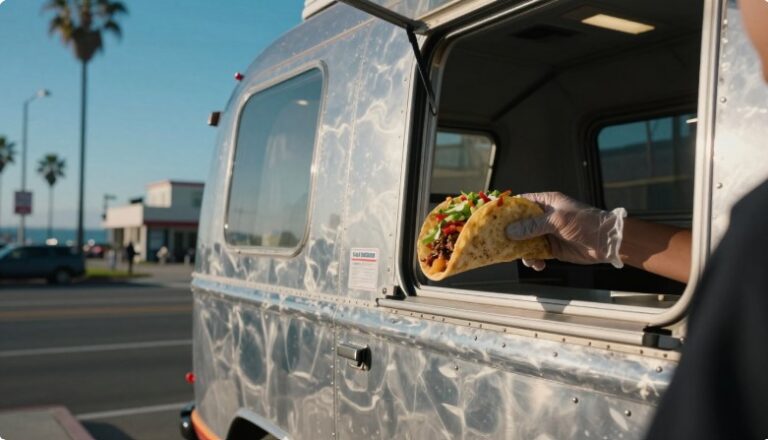
Sidewalk Vending Permit in New York City, NY
Unlocking Your NYC Sidewalk Vending Permit: The Complete 2026 Guide for Street Vendors
New York City’s streets pulse with life. Food carts steam with hot dogs and tacos. Vendors hawk colorful scarves and handmade art. This street economy adds flavor and fun to daily life. It supports thousands of jobs too. But to join in, you must follow the rules. The sidewalk vending permit process can feel like a twisty maze. Recent laws have changed things, making it easier yet still tricky. This guide cuts through the confusion. We’ll cover how to get your NYC sidewalk vending permit and street vendor license in NYC. You’ll learn the steps, rules, and tips to start selling legally.
Understanding the NYC Vending Permit Landscape: Regulations and Recent Reforms
Who Needs a Sidewalk Vending Permit? Defining Covered Activities
Street vending covers a lot in NYC. If you sell food from a cart, you need a permit. The same goes for merchandise like clothes or jewelry. Artwork sellers must get one too. The Department of Consumer and Worker Protection (DCWP) oversees most of this. Food vending falls under extra health rules, but we’ll get to that. Not every seller needs it—think fixed shops or online only. But if your setup hits the sidewalk, a NYC sidewalk vending permit is key. This keeps the streets safe and fair for all.
General merchandise vendors apply through DCWP for a basic license. Food folks layer on health approvals. Distinguish early to avoid mix-ups. Many new vendors overlook this split. It leads to delays later.
The Impact of the 2021 Vending Act (Local Law 18) and Permit Cap Removal
Back in 2021, NYC passed the Street Vendor Act. It ended a long-standing cap on food vending permits. For decades, only 3,000 licenses existed. Waitlists stretched years. Now, the cap phases out by 2025. In 2026, new permits flow freer. This opens doors for immigrants and small dreamers.
The change created a permit inventory. DCWP distributes them via waitlist. Wait times dropped from 10 years to months in some cases. Over 1,000 new food licenses issued since 2022. But demand stays high. New vendors still face lines. Check the DCWP site for updates.
This reform boosts the economy. Street food alone generates $500 million yearly. Legal vendors pay taxes and follow health codes. It cuts down on fines for underground sellers.
Key City Agencies Involved: DCWP, DOHMH, and Health Permits
DCWP leads on permits for most vending. They handle applications and fees. For food, turn to the Department of Health and Mental Hygiene (DOHMH). They check safety and sanitation. You often need both agencies’ okay.
DCWP focuses on business side—like location rules. DOHMH dives into food handling. A street vendor license NYC from DCWP covers basics. Add DOHMH for eats. Skip one, and you risk shutdowns.
Other groups pitch in. The DOT maps vending zones. Fire Department eyes propane use. Know your players to speed things up.
Step-by-Step Guide to Obtaining Your NYC Sidewalk Vending License
Prerequisite Checklist: What to Secure Before Applying
Start strong with basics. Get your NYC ID or driver’s license. Food vendors need safety training from DOHMH. It’s a quick course on handling grub right. Costs about $15 and takes four hours.
Next, grab a Mobile Food Vending Unit License if selling eats. This covers your cart’s setup. Proof of residency helps too—think utility bill. Business owners file structure docs like LLC papers.
Gather all now. It saves headaches. List: ID, training cert, unit license, photos of gear. Double-check DCWP’s site for 2026 tweaks.
Navigating the Online Application Portal (DCWP Process)
Head to the DCWP website. Create an account first. Fill out the NYC sidewalk vending permit form online. Upload scans of your docs. Fees run $200 for merchandise, $50 more for food add-ons.
Expect questions on your setup. Describe your cart size and goods. Pay via card. Track status in your portal. Processing takes 4-6 weeks if complete.
Common snag: missing proof. Fix it fast via email. Once approved, print your temp license.
The Waitlist System: How the New Permit Allocation Works
Post-cap, DCWP uses a fair waitlist. Apply, get a number. Priority goes to long-waiters and certain groups like women-owned biz. New inventory releases in batches—hundreds yearly.
In 2026, waits hover at 3-6 months for food permits. Merchandise moves quicker, often 1-2 months. Track via app notifications. Over 500 issued last year alone.
Patience pays. While waiting, build your brand. Network with vendors for tips.
Food Vendor Specifics: Health Department Approval and Commissary Requirements
Securing the NYC Food Vendor Permit and Inspection Process
Food sellers chase DOHMH first. Submit plans for your cart. Detail sinks, fridges, and storage. Review fee is $280. Takes 30 days.
Then comes inspection. Officials check cleanliness and temps. Hot food over 140°F, cold below 41°F. Pass, get your permit.
Fail? Fix issues and rebook. Many pass on first try with prep. Use DOHMH checklists online.
Mandatory Commissary Requirements for Mobile Food Vendors
A commissary is your base kitchen. Law says food carts can’t store or prep at home. Rent space from a certified spot. It needs hot water, fridges, and waste dumps.
Vetting: Ask for DOHMH approval letter. Sign a contract. Costs $100-300 monthly. Look near industrial areas for deals.
This keeps bugs and illness away. Skip it, face $1,000 fines. Find lists on health site.
Health and Safety Compliance: Maintaining Your Permit Status
Stay on top daily. Check temps twice a shift. Dispose waste in bins, not street. Clean surfaces with sanitizer.
Violations like dirty carts lead to tickets—up to $500. Renewals need re-inspections yearly. Log your checks.
Tip: Make a pre-shift list. Temp log, hand wash, stock check. It builds good habits fast.
Operational Compliance: Where You Can and Cannot Sell
Understanding Vending Zone Restrictions and Distance Rules
NYC sidewalks aren’t all fair game. Stay 20 feet from crosswalks. 10 feet from building doors. No vending near schools or parks without okay.
Bus stops get a pass—avoid them. Check DOT’s interactive map online. It shows green zones citywide.
Break rules, get towed. Plan routes ahead. Apps help spot spots.
Permit Display and Identification Requirements on the Street
Show your permit proud. Hang it on your cart’s side. Clear view for cops. Include your photo ID nearby.
Price signs must list costs. No hidden fees. Business cards help too.
This builds trust. Customers spot legit sellers easy.
Managing Equipment and Cart Specifications
Carts max 3 feet wide, 9 feet long. Propane tanks under 20 pounds, secured. Generators quiet, under 65 decibels.
Keep refuse in sealed bags. Sweep your spot clean. No spills.
Upkeep avoids fines. Inspect gear weekly.
Conclusion: Sustaining Your Sidewalk Vending Business Legally in NYC
Running a street vending gig in NYC rewards the prepared. Nail the DCWP application for your base license. Wait smart on the permit list. Layer DOHMH for food safety. Stick to zones and display rules always.
Compliance beats the chaos of fines or shutdowns. It lets you focus on sales and smiles. Dive in now—your cart awaits.
- Start food safety training early to speed your app.
- Vet commissary contracts against DOHMH standards before signing.
- Display your NYC sidewalk vending permit visibly every shift.
- Use DOT maps to scout prime, legal spots daily.
- Log health checks to ace renewals without stress.