Mobile Food Vendor Permit in San Diego, CA
Navigating the San Diego Mobile Food Vendor Permit Process: Your Complete 2026 Guide
San Diego’s streets buzz with tasty smells from food trucks and carts. The city’s love for fresh eats draws crowds to beaches, parks, and downtown spots. You dream of joining this fun scene with your own mobile food business, but permits can feel like a maze. This guide cuts through the confusion. It shows you every step to get your mobile food vendor permit in San Diego. With clear tips and real examples, you’ll see how to turn your idea into a money-making venture despite the rules.
Section 1: Understanding Mobile Food Vending Regulations in San Diego
Mobile food vending rules in San Diego keep things safe and fair. You need to know the basics before you start. This section breaks down the key parts.
City vs. County Jurisdiction: Where to Apply First
The City of San Diego handles business licenses and zoning. The County of San Diego’s Health & Human Services Agency deals with health permits. If your truck parks in city limits, start with both. County rules cover food safety everywhere in the region. City rules focus on where you can sell.
Check the city’s website at sandiego.gov/treasurer/business for license info. For county health, visit sdcounty.ca.gov/content/sdc/hhsa/programs/phs/environmental_health.html. Call the county at (858) 505-6900 if you need quick help. These contacts save you time from the get-go.
Mixing up city and county steps leads to delays. Always confirm your spot falls under city or unincorporated county land.
Types of Mobile Food Facilities (MFF) Defined
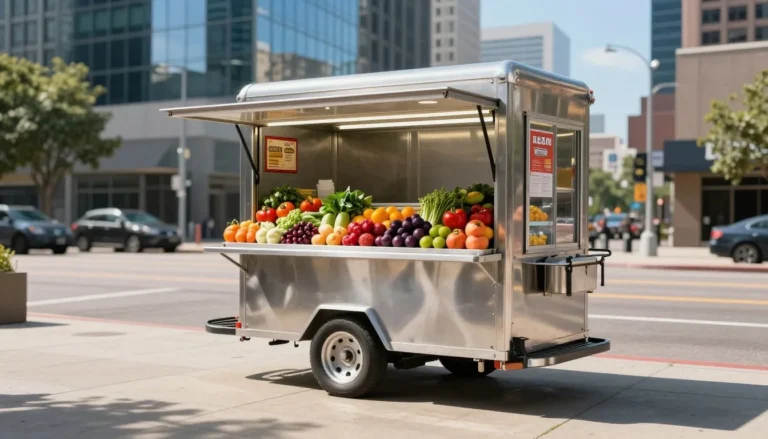
San Diego sorts mobile food setups into a few main types. Commissary-based units need a base kitchen for prep and cleaning. Self-contained trucks have everything on board, like sinks and fridges. Pushcarts work for simple sales, such as ice cream or coffee.
Your MFF type sets the permit path. A commissary-based cart might need less gear but more kitchen ties. Self-contained rigs cost more upfront but offer freedom. Pick based on your menu and budget.
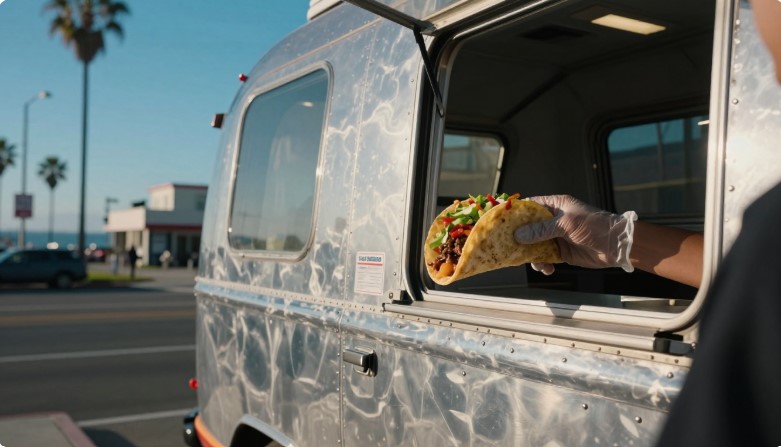
Take Tacos El Gordo’s style – they use self-contained trucks for quick Mexican bites. It lets them hit busy spots like Gaslamp Quarter without constant kitchen runs. Success like theirs shows the right type pays off.
Essential Preliminary Requirements Before Permitting
Set up your business first. Register as a sole proprietor, LLC, or other structure with the California Secretary of State. File a DBA if you use a fun name like “Sunny Shore Snacks.”
Get a Federal Employer Identification Number from the IRS website. It’s free and quick online. This number helps with taxes and hiring.
These steps build a solid base. Skip them, and your permit apps get rejected fast. Plan a day to knock them out early.
Section 2: The Health Permit: Securing Approval from the County
Health permits come from the county. They ensure your food stays safe for customers. Follow these steps to get approved.
Plan Check Submission and Vehicle Inspection
Submit your plans to the County Environmental Health Department. Include drawings of your truck’s layout, equipment list, and menu details. Specs must cover sinks, refrigeration, and ventilation fans.
After review, book a vehicle inspection. Inspectors check for clean surfaces and proper plumbing. Fix any issues right away.
Common rejection reasons include missing handwashing stations or weak fire setups. Double-check plumbing codes to avoid this. It speeds up approval.
Commissary Agreement Verification
You must tie up with an approved commissary kitchen. This spot handles cleaning, food storage, and wastewater dump. Sign a legal agreement that spells out services and hours.
Find commissaries on the county’s approved list online. Pick one near your routes to cut travel time. Without this, no health permit.
Commissaries keep your operation legal and sanitary. Think of it as your mobile kitchen’s home base. Many vendors share one to save cash.
Food Safety Certification (CFM/ServSafe) Mandates
Owners and food handlers need certification. The county accepts ServSafe or California Food Handler cards. Take a class and pass the test – it takes about 8 hours.
Employees must get certified too before touching food. Renew every three years. Costs run $15 to $125 depending on the course.
This training stops foodborne illnesses. One bad review from sick customers can sink your business. Stay certified to build trust.
Section 3: Navigating City Business Licensing and Zoning Permissions
City rules cover your business setup and spots to sell. Get these right to avoid fines. Let’s walk through it.
Obtaining the San Diego Business Tax Certificate
Apply for the Business Tax Certificate online via the city’s portal. Provide your business details, address, and FEIN. Pay the fee based on your expected sales.
This license renews yearly. It proves you’re legit to operate in the city. Separate from health permits, so don’t skip it.
Processing takes 1-2 weeks. Use it to open bank accounts or get vendors. It’s your entry ticket to city vending.
Navigating Vending Location Restrictions and Zoning Laws
Zoning laws limit where you park. Stay 300 feet from schools and 100 feet from restaurants. No vending in residential zones without special okay.
Operating hours vary – 7 a.m. to 10 p.m. in commercial areas. Check for events that allow pop-ups. Recent city pilots in Barrio Logan test new street vending zones.
These rules protect locals and eateries. Break them, and face towing or shutdowns. Map your routes with city zoning maps online.
One vendor got fined $500 for parking too close to a café. Scout spots ahead to dodge trouble.
Special Permits for Special City Locations (e.g., Parks, Beaches)
Parks like Balboa need extra concession permits from the Parks & Recreation Department. Beaches under city control require coastal access approvals. Apply early for events.
These add fees and rules, like cleanup duties. They open high-traffic goldmines. Miss them, and you stay on sidewalks only.
A beach taco cart with the right permit pulls crowds on hot days. Balance the extra work with big sales potential.
Section 4: Operational Compliance and Ongoing Requirements
Once permitted, keep up with rules. This keeps your business running smooth. Cover these basics.
Insurance Requirements and Liability Coverage
Get Commercial General Liability insurance at least $1 million per event. Name the City and County as additional insured. It covers slips or food issues.
Shop quotes from local agents. Annual costs hit $500 to $2,000. Proof goes with your permit apps.
This shield protects you from lawsuits. One claim without it could end your dream quick.
Fire Safety Regulations and Inspections
The San Diego Fire-Rescue Department sets fire rules. Store propane tanks outside and secure. Install K-Class extinguishers for grease fires.
Hoods over grills need cleaning quarterly. Schedule inspections yearly. Fines start at $250 for misses.
Safe setups prevent disasters. A food truck fire in 2024 shut down a popular spot for months. Stay vigilant.
Waste Disposal and Grease Management Protocol
Dump gray water only at commissaries. Follow county hazardous waste rules for used oil. Recycle grease through approved services.
Keep records of disposals. Fines reach $1,000 for illegal dumps. Use grease traps to catch fats.
Proper handling keeps streets clean. It also shows customers you care about the environment.
Section 5: Cost Analysis and Timeline Expectations
Budgets and waits matter. Plan for both to launch strong. Here’s what to expect.
Estimated Permit and Application Fees Breakdown
Health plan checks cost $500 to $1,200 for trucks. Pushcarts run $300 to $600. City business tax starts at $50 plus sales-based fees.
Annual renewals add $200 to $800. Commissary agreements tack on $100 monthly. Total startup fees hit $2,000 to $5,000.
Fees shift, so check sites for updates. Budget extra for inspections.
Realistic Timeline for Full Authorization
Phase one: Submit plans and business setup – 2-4 weeks. Plan check approval takes 4-8 weeks.
Inspections and final tweaks add 2-3 weeks. Full go-ahead? Expect 3-6 months total.
Delays happen from revisions. Start in off-season to beat summer rushes. Patience pays in this process.
Conclusion: Launching Your San Diego Food Truck Successfully
Getting your mobile food vendor permit in San Diego means tackling city and county steps together. Nail the health permit and business license with solid docs. The market teems with chances – grab your spot amid the competition.
- Register your business and snag that FEIN first.
- Lock in a commissary deal and food safety certs next.
- Map zones and get insurance to stay compliant.
Ready to roll? Hit those agencies today. Your first sizzle on the grill awaits in sunny San Diego.