
Sidewalk Vending Permit in Philadelphia, PA
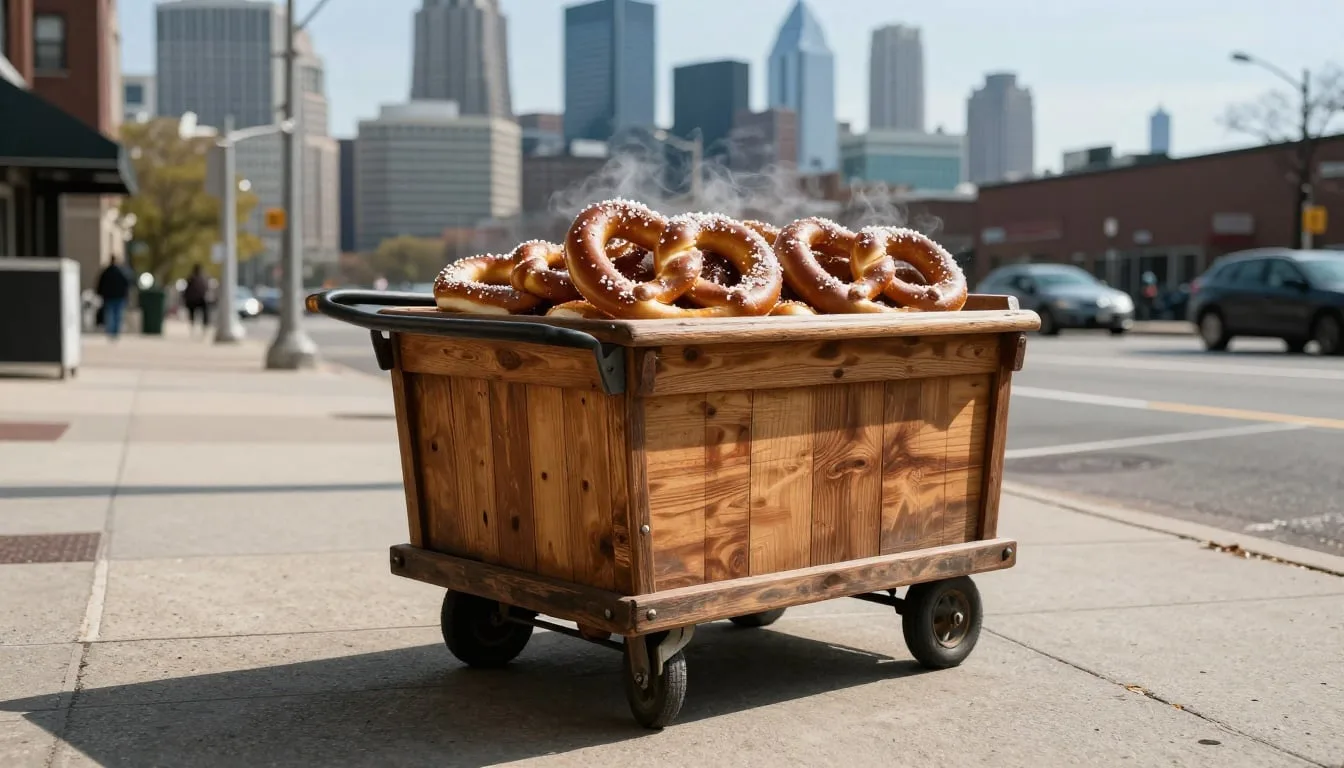
Securing Your Philadelphia Sidewalk Vending Permit: A Definitive Guide
Philadelphia’s streets buzz with energy from food carts and artisan stalls. You can smell sizzling cheesesteaks or spot handmade jewelry catching the sun. This street vending scene adds flavor to the city and boosts local economies. Yet, to join in legally, you need a sidewalk vending permit in Philadelphia. Without it, fines hit hard and dreams stall quick. Recent rules from the city aim to clear up old confusion, but the process still trips up many new sellers.
Navigating Philadelphia’s Vending Landscape: Types of Permits and Zones
Street vending in Philly splits into clear paths based on what you sell. Food draws one set of rules, while crafts or clothes follow another. The city wants safe, fair spots for everyone.
Understanding the Two Main Permit Categories
Food sellers grab the Itinerant Food Vendor License from the Department of Licenses and Inspections, or L&I. This covers carts with hot dogs or ice cream. Non-food vendors, like those with T-shirts or accessories, apply for a general business license through the same office. L&I handles both to keep sidewalks orderly.
Each type demands proof of your setup. Food permits add health checks you can’t skip. General ones focus more on space rules. Pick the right one, or your application bounces back fast.
Designated Vending Zones vs. General Sidewalk Space
The city marks Designated Vending Zones, or DVZs, as prime spots for carts. These areas, like parts of Center City, let you set up without extra hassle. Outside DVZs, general sidewalk rules apply with tighter limits.
In non-zone spots, stay clear of busy paths. You can’t block folks walking by. Check the official city map online at the L&I website for up-to-date DVZ locations. It shows green zones and red no-go areas in one click.
Zoning Restrictions and Proximity Rules
Distance matters a lot in Philly vending spots. Keep your cart at least five feet from crosswalks to let people pass easy. Fire hydrants need a 10-foot buffer for quick access.
Building entrances get a 10-foot no-vend rule too. Some commercial districts, like near big stores on Walnut Street, ban carts outright to ease foot traffic. Break these, and inspectors shut you down on sight. Always map your spot first to dodge surprises.
Step-by-Step Application Process for the Sidewalk Vending Permit
Getting your permit starts with prep work. Gather papers early to speed things up. The process feels straightforward once you line up the pieces.
Pre-Application Checklist: Necessary Documentation
Start with your ID, like a driver’s license or passport. Add proof of commercial liability insurance if your cart sits on public land. You’ll need a federal EIN for businesses or your Social Security Number for solos.
Food folks require health department nods too. That means a clean bill from inspections. Miss any doc, and your file sits idle for weeks.
Completing the L&I Application and Fee Structure
Head to the L&I office in person or apply online through their portal. Fill out the form with your business details and proposed spots. Submit it with all docs attached.
Fees run about $200 for a new annual permit as of early 2026. Renewals drop to $150. Food carts add $50 for health ties. Check the L&I fee page for exact numbers—they tweak them yearly. Pay by card or check to lock in your spot.
Health, Safety, and Inspection Requirements
Food vendors link up with a commissary kitchen for storage and prep. The Philadelphia Department of Public Health checks this space first. Your cart must pass their eye too, with sinks and coolers in place.
L&I then inspects the unit for stability and fire safety. Expect a visit within two weeks of applying. Fix any flags quick, or your permit delays. These steps keep food fresh and streets safe.
Essential Compliance: Insurance, Taxes, and Operational Guidelines
Rules don’t stop at the permit. Ongoing steps keep you running smooth. Ignore them, and trouble brews fast.
Commercial Liability Insurance Requirements
Philly demands at least $100,000 in coverage per incident for public property use. This shields you from slip-and-fall claims or damage suits. It’s a must— no insurance, no permit.
Shop policies from local agents who know city rules. Renew it yearly to match your permit. This layer protects your hustle from big hits.
Sales Tax Obligations and Business Registration
Register with the Pennsylvania Department of Revenue to collect sales tax. It’s 6% on most items in Philly. Track every sale in a simple log or app.
File returns monthly or quarterly based on your volume. Tie this into daily counts to stay ahead. Skip it, and audits sting with back taxes plus penalties.
Operational Standards: Cart Specifications and Waste Management
Carts can’t exceed 12 feet long or 8 feet wide in most zones. Use sturdy metal or wood that cleans easy. No flimsy setups that tip over.
Waste rules hit hard—dispose of trash in city bins, not on the street. Carry a small can and empty it often. Citations for litter pile up quick, so make clean-up part of your routine. This keeps Philly pretty and you in business.
Renewals, Violations, and Maintaining Good Standing
Permits last one year, so mark your calendar. Stay on top to avoid shutdowns. Small slips can cost big if ignored.
Annual Renewal Procedures and Deadlines
Apply for renewal 60 days before your permit ends, usually by mail or online. Submit updated docs and fees. L&I processes it in about a month if all checks out.
Miss the deadline, and you face $300 fines plus forced closure. Operating expired means towing your cart at your expense. Plan ahead to keep sales rolling.
Understanding Fines and Appealing Citations
Common tickets include blocking paths or wrong-zone vending, starting at $75. Signage issues, like missing permit displays, add another $50. Pay online within 30 days to clear it.
For appeals, file with the city’s Office of Administrative Review in 15 days. Bring photos or witness notes to fight the charge. Wins happen if you prove a mix-up, but most pay up to move on.
Maintaining Health Code Compliance Post-Inspection
Log daily cleanings and temp checks for food items. Fridges stay below 41 degrees; hot foods hit 135. Share logs if inspectors pop by.
Spot-check your setup weekly for wear. Fix cracks or loose parts before they flag. This habit dodges repeat visits and keeps your rating high.
Conclusion: Maximizing Your Vending Opportunity in Philadelphia
You now hold the keys to a sidewalk vending permit in Philadelphia: gather docs, pass checks, and stick to rules. From application to daily ops, each step builds your spot in the city’s vibrant scene. Food or crafts, compliance unlocks steady cash flow.
Stick to L&I and Health Department sites for fresh updates—they change with city needs. Launch smart, and your cart could become a Philly staple. Ready to vend? Grab those papers and hit the streets today.