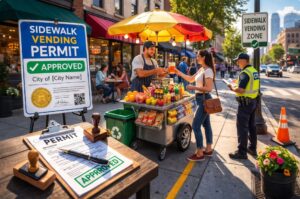
Sidewalk Vending Permit in Seattle, WA
Understanding the Sidewalk Vending Permit in Seattle, WA
The urban landscape of Seattle is vibrant and dynamic, buzzing with an assortment of food vendors, artists, and small businesses. As sidewalk vending becomes increasingly popular in this thriving city, understanding the regulations, requirements, and processes involved in obtaining a sidewalk vending permit is essential for aspiring vendors. This guide encompasses key information about sidewalk vending permits in Seattle, WA, and offers insights into navigating the permit application process smoothly.
What Is Sidewalk Vending?
Sidewalk vending refers to the practice of selling goods or services directly to the public from a mobile or stationary setup on public sidewalks or other public spaces. Generally, sidewalk vendors may sell food items, snacks, beverages, merchandise, and even art. This practice provides entrepreneurs with an opportunity to start their own businesses with lower overhead costs, while adding to the diversity of offerings available to pedestrians and residents alike.
Why a Permit Is Necessary
In Seattle, vendors are required to obtain a sidewalk vending permit in order to operate legally within the city. This regulation helps to ensure public safety, maintain the orderliness of sidewalks, and comply with health and safety standards. The permit also protects the interests of both vendors and the community by establishing guidelines that benefit the local business ecosystem.
Types of Sidewalk Vending Permits
The City of Seattle distinguishes between different types of sidewalk vending, each with its specific set of requirements:
- Food Vending Permit: This permit is for vendors selling food, beverages, or other consumables. Vendors must meet health and safety standards set by the Seattle King County Public Health Department.
- Non-Food Vending Permit: This applies to vendors selling merchandise, including handmade goods, clothing, and art. Non-food vendors must adhere to zoning laws and other regulations around their products.
- Special Event Vending Permit: This is required for vendors who wish to participate in specific city events, festivals, or markets.
Understanding these classifications is essential for vendors as it determines which requirements and processes apply to their specific business model.
Eligibility Criteria
To apply for a sidewalk vending permit in Seattle, applicants must meet the following criteria:
- Be at least 18 years old.
- Provide valid identification.
- Propose an acceptable vending location that complies with city zoning regulations.
- Adhere to guidelines set forth by the Seattle Department of Transportation (SDOT) and relevant health and safety agencies.
It’s vital for applicants to familiarize themselves with these eligibility requirements early on to ensure a smooth application process.
How to Apply for a Sidewalk Vending Permit
The application process for a sidewalk vending permit in Seattle can be broken down into several key steps:
1. Pre-Application Preparation
Before submitting an application, vendors should conduct thorough research on Seattle vending regulations and consider the following:
- Location: Identify potential sites for the business and ensure they comply with zoning laws.
- Business Plan: Develop a business model that outlines the types of products sold, target market, and financial projections.
2. Complete the Application
Vendors can apply through the Seattle Services Portal. The application requires detailed information, including:
- Name and contact information
- Type of vending (food or non-food)
- Proposed location and operating hours
- A copy of health permits if applicable
3. Review and Approval Process
Once submitted, the application goes through a review process by the appropriate city departments. This may involve:
- Site inspections to verify compliance with health and safety standards.
- Public feedback, especially if the vending location is near residential areas or sensitive community spaces.
4. Payment of Fees
Upon approval of the permit application, vendors must pay an associated fee. As of the latest updates, the fees vary based on the type of permit applied for and the duration of its validity.
5. Issuance of the Permit
Once all conditions have been satisfactorily met, the permit will be issued to the vendor. This permit must be displayed prominently at the vending location during operation.
Requirements for Food Vendors
If you are planning to sell food, you must adhere to additional health regulations. The most relevant points include:
- Food Safety Certification: Vendors must complete a food safety training course and obtain a food handler permit.
- Health Inspections: The food service setup may be subject to inspections from health department officials to ensure adherence to sanitation standards.
- Mobile Food Units: Vendors using mobile units must ensure they are licensed and meet vehicular regulations as outlined by SDOT.
Requirements for Non-Food Vendors
Non-food vendors face a different set of requirements, including:
- Product Compliance: Merchandise sold must comply with local ordinances and cannot infringe upon intellectual property rights.
- Licenses for Specific Products: If selling certain items like tobacco or alcohol, additional licenses may be necessary.
Tips for New Vendors
- Research Local Areas: Investigate different neighborhoods to understand foot traffic patterns and demographic preferences. Areas with high pedestrian activity can significantly impact sales.
- Network with Other Vendors: Connect with successful sidewalk vendors in the community who can offer valuable advice and share experiences.
- Marketing: Develop a strategy to promote your offerings. Utilize social media or local events to raise awareness and attract customers.
- Stay Informed: Regulations and permits can change, so engage with the Seattle office that oversees sidewalk vending to stay updated on new laws and regulations.
Conclusion
Starting a sidewalk vending business in Seattle can be an exciting and rewarding venture, but it does require adherence to local regulations and compliance with various requirements. By understanding the sidewalk vending permit process and equipping oneself with relevant knowledge, aspiring vendors can effectively establish their businesses while contributing to the rich tapestry of Seattle’s street life.
For more specific details on current permit fees, processes, and requirements, you can visit the Seattle Department of Transportation website or contact them directly at [phone number]. Wishing you all the best in your vending journey in the vibrant streets of Seattle!