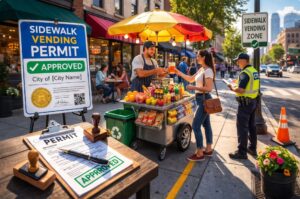
Sidewalk Vending Permit Process in San Francisco, CA
Navigating the Sidewalk Vending Permit Process in San Francisco, CA
Sidewalk vending has become a vibrant part of urban life in cities across the United States, and San Francisco is no exception. The city’s unique cultural tapestry is enriched by the variety of food, arts, and merchandise offered by sidewalk vendors. However, before setting up shop, it is crucial for vendors to understand the requirements and process for obtaining a sidewalk vending permit in San Francisco.
Overview of Sidewalk Vending
Sidewalk vending refers to the practice of selling goods or services from a mobile stand or cart directly on the sidewalks of urban areas. In recent years, San Francisco has worked to regulate this activity, ensuring both the vibrancy of street life and the safety of pedestrians. As the demand for sidewalk vendors continues to grow, so does the necessity to navigate the legal landscape.
Why Permits Matter
Permits are essential for several reasons. They:
- Ensure compliance with city regulations: Operating without a permit can result in fines and enforcement action.
- Maintain public safety: Permits help manage pedestrian flow and ensure that vending activities do not obstruct sidewalks or pathways.
- Support local businesses: By regulating sidewalk vending, the city encourages fair competition and protects established businesses.
Types of Sidewalk Vending Permits in San Francisco
In San Francisco, sidewalk vendors are required to apply for specific permits depending on the nature of their business. The types of permits include:
1. General Business License
All vendors must obtain a business license from the San Francisco Office of the Treasurer & Tax Collector. This license establishes legitimacy and is necessary for tax purposes.
2. Sidewalk Vending Permit
This is the primary permit required for all vendors operating in public spaces. It outlines where and how vendors can operate. Different district regulations may apply depending on the location within the city.
3. Food Service Establishment Permit
For food vendors, additional permits from the San Francisco Department of Public Health (SFDPH) are necessary. Vendors must comply with health and safety regulations set forth by the department.
4. Fire Department Permit
If vendors plan to use any electrical equipment, they may need a fire department permit to ensure compliance with fire safety standards.
The Application Process
Step 1: Determine Eligibility
Before applying, vendors should check if they meet the eligibility criteria for the permits they plan to obtain. This typically includes being over 18 years of age and not having any outstanding tax obligations with the city.
Step 2: Complete the Application
The application process can vary depending on the type of permit sought. Vendors can generally find applications online through the San Francisco government website or directly at the relevant city departments.
Step 3: Pay Associated Fees
There are fees associated with each type of permit. For example, the general business license may require an annual fee, while the sidewalk vending permit could have a lower initial cost with different renewal fees.
Step 4: Submit Required Documentation
Vendors must provide supporting documents, including:
- Identification (e.g., driver’s license or state ID)
- Business plan (for specific types of vendors)
- Proof of a health permit (for food vendors)
- Additional documentation depending on the type of goods being sold
Step 5: Await Approval
Once the application is submitted, vendors must wait for approval from the city. This can take anywhere from a few weeks to a couple of months, depending on the complexity of the application.
Step 6: Compliance Inspections
Before and during the permitted operation, vendors may need to undergo inspections by relevant city departments. This includes health inspections for food vendors, zoning inspections for the location of the cart, and fire department inspections if applicable.
Understanding the Fees Involved
Each permit has different fees that should be factored into the startup costs for a sidewalk vending business. As of the latest updates, here are some indicative fees:
- Business License: Approximately $150 – $250 annually, depending on gross receipts.
- Sidewalk Vending Permit: Ranges from $80 to $300 per year, varying by district.
- Food Service Permit: Typically about $400 initially, with renewal fees varying.
Always check the San Francisco city official website for the latest fees and regulations, as they may change.
Specific Regulations for Sidewalk Vendors
San Francisco enforces specific regulations to ensure that sidewalk vending does not interfere with public safety or enjoyment of public spaces. Some of these regulations include:
- Location Restrictions: Vendors cannot operate within certain distances from fire hydrants, bus stops, or building entrances, among other city-defined areas.
- Size of Vending Carts: The dimensions of vending carts may be regulated, ensuring they do not take up excessive sidewalk space.
- Operating Hours: Certain neighborhoods may have restrictions on the hours that vendors can operate, often to minimize noise and disturbances during the night.
- Types of Goods Sold: Vendors must comply with laws regarding the types of products sold, particularly when it comes to food safety and city ordinances prohibiting certain items.
Supporting Your Success as a Vendor
While navigating the permit process can be daunting, there are resources available to assist vendors. The San Francisco Office of Economic and Workforce Development often offers workshops and guidance for aspiring vendors. Networking with existing vendors can also provide valuable insights into best practices and challenges in the field.
Conclusion
In conclusion, obtaining a sidewalk vending permit in San Francisco requires careful planning and adherence to city regulations. By securing the necessary permits and following city guidelines, vendors can not only contribute to the city’s vibrant culture but can also build a successful business. As the regulations evolve, staying informed through city resources and community networks will be key to thriving in the bustling streets of San Francisco.
By understanding the nuances of the permitting process and operating within the defined framework, vendors can play a crucial role in shaping the city’s sidewalk landscape. Future vendors should be well-prepared to embark on this rewarding path.