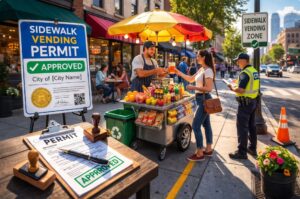
Sidewalk Vending Permits in Denver, CO
Understanding Sidewalk Vending Permits in Denver, CO
In recent years, the concept of sidewalk vending has gained immense popularity across various urban centers in the United States, including Denver, Colorado. As cities look to balance economic opportunity with public safety and pedestrian accessibility, officials have established clear guidelines for vendors operating in public spaces. This article provides a comprehensive overview of sidewalk vending permits in Denver, examining the necessary steps, regulations involved, and the implications for vendors and the city alike.
The Rise of Sidewalk Vending
Sidewalk vending represents a vibrant and dynamic part of urban life. From food trucks serving gourmet meals to carts selling handcrafted goods, these small businesses contribute significantly to the local economy. In Denver alone, the sidewalk vending scene has evolved into a thriving marketplace that enriches neighborhoods and supports entrepreneurs. However, with opportunities come responsibilities; thus, the need for regulation is paramount.
Legal Framework for Sidewalk Vending in Denver
To operate legally, vendors in Denver must obtain a sidewalk vending permit. The city mandates these permits to ensure that vending activities are conducted responsibly, harmonizing with local laws and community standards. The Denver Department of Excise and Licenses oversees the permit process, establishing criteria necessary for applicants.
Types of Permits Available
- Food Vending Permit: This permit is applicable to vendors selling food items, including beverages and snacks. Food trucks typically fall under this category.
- Non-Food Vending Permit: Vendors selling merchandise, such as clothing, crafts, or art, will require a non-food vending permit.
- Temporary Vending Permit: For short-term events or festivals, vendors can apply for a temporary permit that allows them to operate for a limited duration, usually no more than 14 days.
- Special Area Vending Permit: Certain areas in Denver, such as parks or specific downtown streets, have designated rules, requiring a special permit for vending in these zones.
How to Apply for a Sidewalk Vending Permit
Step 1: Gather Necessary Documentation
Before submitting an application, prospective vendors should prepare the following documents:
- Business License: Proof that you have registered your business with the city.
- Identification: A valid photo ID, such as a driver’s license or passport.
- Certificate of Insurance: Vendors must carry liability insurance in case of accidents or injuries.
- Site Plan: Detailed layout mapping where the vendor intends to set up, including distance from streets and sidewalks.
- Health Department Approval (if applicable): For food vendors, a health inspection is usually required.
Step 2: Fill Out the Application
Vendors can obtain an application online through the Denver Department of Excise and Licenses’ website. It’s critical to fill out the application accurately, providing all requested information.
Step 3: Submit Your Application
After completing the application and gathering all necessary documents, vendors should submit their application through the online portal. Application fees vary based on the type of permit sought, and it’s essential to verify these details on the city’s website.
Step 4: Await Approval
The review process may take several weeks, during which the city will assess the application for compliance with zoning laws and public safety regulations. Once approved, vendors will receive their permit, outlining the terms under which they can operate.
Compliance and Regulations
Vendors must comply with city regulations at all stages of their operation. Key compliance areas include:
Location Restrictions
Permits typically specify where vendors can operate, often including restrictions on proximity to intersections, public transportation stops, or other structures that could impede pedestrian flow.
Operating Hours
Vendors must adhere to designated operating hours. In many cases, vending may be restricted during busy pedestrian times or special events that could hinder access.
Equipment Regulations
The city has regulations concerning the type of equipment that can be used. For food vendors, this includes guidelines on food safety and proper storage areas.
Health and Safety Compliance
Food vendors must follow health safety protocols as outlined by the Denver Department of Public Health and Environment. This includes regular inspections and adherence to sanitation standards.
Benefits of Sidewalk Vending
Economic Opportunity
Sidewalk vending provides an accessible path for entrepreneurs to enter the market without the overhead costs associated with traditional brick-and-mortar businesses. This is particularly beneficial for individuals looking to start a business with limited capital.
Enhanced Community Engagement
Vendors contribute to vibrant streetscapes, fostering community interaction and engagement. They often serve as local landmarks and provide unique offerings that reflect the culture of Denver.
Flexible Business Models
Vending allows for flexible hours and terms, enabling individuals to operate their businesses around other personal or professional commitments.
Challenges Faced by Vendors
While sidewalk vending offers numerous benefits, it is not without its challenges. Vendors must navigate a complex web of regulations and restrictions that can often change with little notice. Competition with other vendors and local businesses can also be fierce, making it crucial for vendors to differentiate their offerings.
Economic Viability
The profitability of sidewalk vending can be unpredictable. Factors such as weather, location, and foot traffic heavily influence sales, making it critical for vendors to remain adaptable and resilient.
Compliance Costs
The costs associated with acquiring permits and maintaining compliance can add up, particularly in cities with high regulatory demands like Denver. This underscores the importance of thorough financial planning and budgeting for potential vendors.
Future of Sidewalk Vending in Denver
The sidewalk vending landscape in Denver is likely to continue evolving, reflecting broader trends in urban living and accessibility. As cities adapt to changing economic conditions and consumer preferences, regulations may also shift, presenting both challenges and opportunities for future vendors.
Technological Advancements
With the rise of technology in food service and retail, vendors can leverage mobile apps for payment processing and marketing, enhancing their efficiency and customer engagement.
Community Engagement
Cities are increasingly recognizing the importance of supporting small businesses, including vendors. Policies aimed at fostering a more inclusive vending environment can empower local entrepreneurs and promote diverse offerings throughout neighborhoods.
Conclusion
For those interested in exploring the entrepreneurial landscape through sidewalk vending, understanding the permit process in Denver is vital. By following the legal requirements and embracing the vibrant energy of urban life, vendors can successfully navigate the challenges and joys of operating in public spaces. As sidewalk vending becomes more embedded in the fabric of Denver’s culture, the community and city officials alike will need to adapt, ensuring a balanced approach that promotes growth while maintaining public safety and accessibility.
In summary, the sidewalk vending permit not only represents a pathway to business ownership but also enriches the cultural and economic tapestry of Denver. For aspiring vendors, this could be the ideal avenue to bring their unique products and services to the bustling streets of the Mile High City.