Sidewalk Vending Permit Process in Honolulu, HI
Navigating the Sidewalk Vending Permit Process in Honolulu, HI
Honolulu, the vibrant capital of Hawaii, is renowned for its stunning beaches, rich cultural heritage, and culinary diversity. Among the many ways residents and visitors can experience this lively city is through sidewalk vending, a popular option for entrepreneurs looking to offer food, art, and various goods in public spaces. However, to successfully start a sidewalk vending business in Honolulu, one must first navigate the permit process. This guide provides an overview of the requirements, steps, and tips for obtaining a sidewalk vending permit in Honolulu.
Understanding Sidewalk Vending
Sidewalk vending refers to the act of selling goods or services from a temporary or portable stand located on public sidewalks or streets. It can encompass a wide range of offerings, from food trucks and carts to local artisan crafts. This practice contributes to community vibrancy, allows for entrepreneurship, and enhances the local economy. However, due to the potential impact on public spaces and pedestrian traffic, it’s essential for vendors to comply with local regulations, specifically by obtaining the necessary permits.
Importance of a Permit
Securing a sidewalk vending permit is crucial because it ensures that vendors operate legally and responsibly. The permit process is designed to maintain public safety, minimize disruption, and uphold the aesthetic quality of streetscapes. Without a valid permit, vendors risk fines, shutdowns, or even legal action. Therefore, understanding the requirements and processes in Honolulu is the first step to successful vending.
Types of Permits
Honolulu offers different types of vending permits depending on the nature of the business. These may include, but are not limited to:
- Food Vending Permit: Required for vendors selling food or beverages. Special regulations apply, such as health and safety standards.
- General Vending Permit: Covers non-food items, including arts, crafts, and merchandise.
- Special Event Vending Permit: Needed for vendors participating in events or festivals where additional guidelines may apply.
Each permit type has specific requirements and guidelines, so understanding which category applies to your business is essential.
Local Regulations and Requirements
To obtain a sidewalk vending permit in Honolulu, vendors must adhere to the local regulations established by the City and County of Honolulu’s Department of Planning and Permitting (DPP). Key requirements generally include:
- Application Submission: Vendors must fill out a vending permit application form. This can typically be done online via the DPP website or in person at their office.
- Business License: A valid business license is required, which can be obtained from the State of Hawaii’s Department of Commerce and Consumer Affairs.
- Insurance: Vendors may be required to obtain liability insurance covering their operations to protect against claims or accidents.
- Health Permits: For food vendors, obtaining a health permit from the Department of Health (DOH) is mandatory. This involves inspections to ensure compliance with food safety regulations.
- Compliance with Local Ordinances: Vendors must familiarize themselves with local ordinances relating to sidewalk usage, such as maintaining clear pathways and respecting designated areas for vending.
Step-by-Step Process to Obtain a Permit
1. Determine the Type of Vending
Before beginning the application process, identify what type of vending you intend to pursue. This will guide you to the appropriate forms and requirements.
2. Gather Necessary Documentation
Compile all the necessary documentation, including your business license, proof of insurance, and any health permits if applicable.
3. Complete the Application
Visit the DPP website or office to access the vending permit application form. Fill it out accurately, ensuring you meet all criteria specified in the requirements.
4. Submit the Application
Submit your application along with any required documents and fees. Be mindful of any deadlines associated with permit submissions, especially if you are seeking to operate during a specific event or season.
5. Await Review and Approval
After submission, your application will undergo a review process. The timeframe for approval may vary, so it’s advisable to apply several weeks in advance of when you plan to start vending.
6. Pay the Fees
Once your application is approved, you’ll need to pay any applicable fees. Keep a record of your payment, as it may be required for your records.
7. Obtain Your Permit
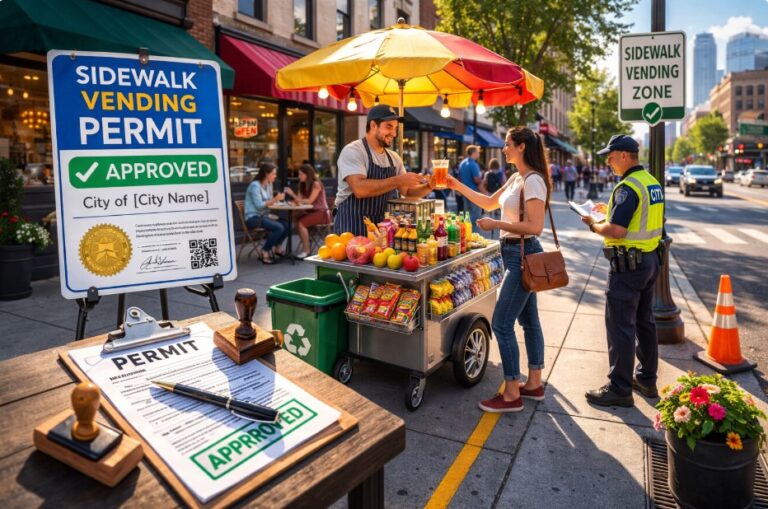
After completing the payment, you will receive your sidewalk vending permit. It’s crucial to keep this permit on display wherever you are vending, as it demonstrates compliance with local regulations.
Additional Tips for Successful Vending
- Choose Ideal Locations: Research high foot-traffic areas that comply with vending regulations. Ensure your chosen spot allows for safe pedestrian access and visibility.
- Engage with the Community: Building relationships with other local vendors and community members can enhance your vending experience. Networking can lead to collaboration opportunities and valuable marketing insights.
- Market Your Offerings: Utilize social media and local marketing strategies to promote your vending business. Effective outreach can draw more customers to your stand.
- Stay Updated on Regulations: Regulations may change, so it’s essential to stay informed about any updates that could affect your vending operations.
Conclusion
Starting a sidewalk vending business in Honolulu can be a fulfilling venture, blending the joys of entrepreneurship with the vibrant culture of the city. By understanding the requirements and navigating the permit process diligently, you can set yourself up for success. If you have further questions or need assistance, consider reaching out to local business support organizations or the DPP office for guidance.
Embark on your sidewalk vending journey in Honolulu with the right knowledge and preparation, and you’ll be on your way to becoming a valued part of the community landscape.