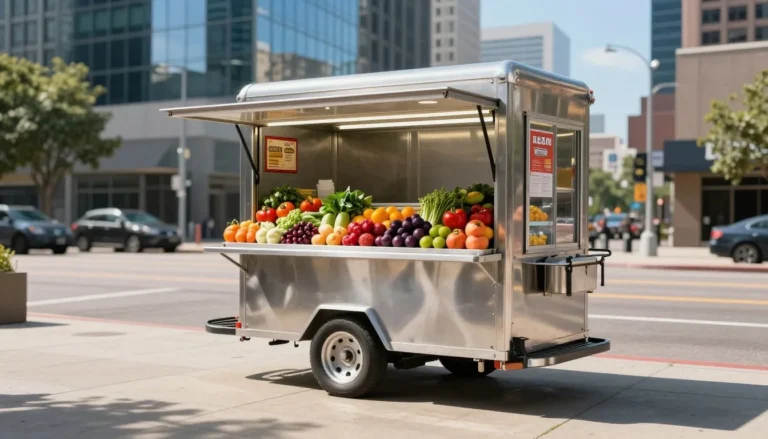
Mobile Food Vendor Permit in Los Angeles, CA

Securing Your Street Eats: The Definitive Guide to Mobile Food Vendor Permits in Los Angeles, CA
Los Angeles buzzes with food trucks and carts at every corner. The mobile food scene here pulls in over $1 billion yearly. It draws crowds who crave quick bites from tacos to gourmet burgers.
Low startup costs make this path appealing. You skip big rents for a shop. Yet, the city demands strict rules to run your setup legally.
This guide maps out the steps. You’ll learn the licenses and checks needed for a food truck or cart in L.A. From health approvals to parking spots, get ready to launch without headaches.
Foundational Requirements: Business Setup and Health Permits
You start with basics before hitting the streets. Set up your business right. Then tackle health rules from L.A. County.
These steps build a solid base. They keep you out of trouble with fines or shutdowns.
Registering Your Business Entity and Obtaining an EIN
Pick your business type first. Go for a sole proprietorship if you work alone. Or form an LLC for more protection against risks.
All setups need an EIN from the IRS. It’s free and quick online. Even solo owners grab one if you plan to hire help later.
Talk to a local lawyer or accountant soon. They spot issues with taxes or lawsuits early. This saves time and cash down the road.
- File your entity with the California Secretary of State if needed.
- Get your EIN via IRS.gov in minutes.
- Check local rules for fictitious business names.
The Crucial Role of the Los Angeles County Health Permit (HACCP Plan Review)
L.A. County Public Health runs the show for food safety. They check your mobile food prep unit or pushcart plans. Submit a HACCP plan that outlines safe food handling.
Pushcarts face lighter rules than full trucks. But both need a commissary spot. It’s a base for cleaning, storage, and dumping waste.
No commissary means no permit. Find one with a shared kitchen agreement. Costs run $100 to $500 monthly.
The county’s site lists guidelines. Follow them for your plan review. Fees start at $500 for initial checks.
Inspections happen often. Keep logs of temps and cleaning. This proves you meet standards.
Business Tax Registration Certificate (BTRC) from the City of Los Angeles Office of Finance
The city wants its cut too. Get a BTRC to operate inside L.A. limits. It’s your general business license.
Apply online through the Office of Finance. Pay based on your expected sales. Renew yearly.
This sits apart from health permits. Miss it, and face penalties up to $500. Link it to your address for vending zones.
Vehicle Specifications and Safety Compliance
Your truck or cart must meet build standards. Safety comes first for fires and health. Inspectors check every inch.
Follow these rules to pass reviews. It keeps customers safe and you open.
California DMV Registration and Commercial Vehicle Requirements
Register your vehicle with the DMV. Food trucks count as commercial if over 10,000 pounds. Get plates that match.
Insurance must cover business use. Basic auto won’t cut it. Shop for policies that include liability for food ops.
Weight limits apply on roads. Overloaded rigs get tickets. Check axles and brakes for compliance.
- Renew registration every two years.
- Carry proof of insurance at all times.
- Log mileage for tax breaks.
Fire Department Inspection and Approval (L.A. City Fire Department – LAFD)
The LAFD eyes fire risks. Propane tanks need secure mounts. Grease traps stop flare-ups.
Hoods matter: Type I for grease, Type II for steam. Install Ansul systems for auto suppression. Certify them yearly.
Common fails include loose baffles in hoods. Or expired extinguisher tags. Fix these before re-inspection to avoid delays.
Fees hit $200 for checks. Schedule via LAFD online. Pass this, and move to health reviews.
Trucks with open flames face extra scrutiny. Use certified burners only.
ANSI and NSF Certification for Food Contact Surfaces and Equipment
Gear inside must pass muster. Sinks, fridges, and counters need NSF stamps. They prove sanitation levels.
ANSI sets broader standards for builds. Look for both on your setup. Buy from approved suppliers.
During health checks, inspectors test surfaces. Wiping them wrong leads to fails. Train staff on protocols.
This certification boosts trust. Customers see clean ops. It also speeds up approvals.
Navigating Location Permits: Where Can You Legally Sell?
Picking spots trips up many vendors. Rules split by sidewalk, street, or private land. Know them to avoid tows.
City codes change, so check updates. This section clears the path.
The Sidewalk Vending Permit (L.A. Bureau of Street Services)
Sidewalk carts need a special permit. The city’s ordinance lets you vend in set zones. Apply to the Bureau of Street Services.
Designated areas include parks and markets. Avoid sensitive spots like schools. Fees are $67 yearly plus a one-time app cost.
Get insurance and a photo ID with your app. Zones limit carts to 200 square feet. Track your spot via city maps online.
High-traffic corridors like Hollywood see crowds. But rules tighten there. Follow signage for no-go areas.
Vending in Public Streets and City Right-of-Way (Parking Regulations)
Street parking for trucks has limits. Stay 20 feet from hydrants and corners. No blocking driveways.
City code caps vending at two hours per spot. Move after to avoid tickets. Use apps to find open zones.
Other vendors space out 150 feet apart. Check for events that close streets. Fines reach $250 for violations.
This keeps flow smooth. Plan routes with GPS for legal parks.
Operating on Private Property (Malls, Business Lots, Events)
Private spots need owner okay. Get it in writing. Still grab city health permits.
Malls or lots follow HOA rules. Business districts add BID fees. Coordinate with managers.
Events like fairs simplify with temp permits. But confirm property lines. This setup cuts street hassles.
Advanced Considerations and Specialized Permits
Some ops need extra papers. Think events or big propane use. Plan ahead for these.
They add layers but open doors. Handle them right for growth.
Special Event Permits for Festivals and Farmers Markets
Big gatherings require temp permits. The Public Works Department handles street closures. Apply 30 days early.
Fees vary by crowd size. Up to 500 folks costs $100. Include site plans and insurance.
Farmers markets often bundle permits. Join associations for shared spots. This eases weekly vending.
Prep for weather and power needs. These events boost sales fast.
Propane Tank Regulations and Inspections Beyond the Initial Build-Out
Large tanks over 20 pounds need yearly LAFD checks. Store them outside cooking areas. Use DOT-approved tanks.
Leaks spell danger. Test valves monthly. Log inspections for records.
Trucks with multiple tanks face stricter rules. Hire certified techs for service. Costs run $150 per check.
Stay current to pass random audits.
Commissary Documentation and Ongoing Compliance
Your commissary agreement renews yearly. Update it with health dept. Log all waste dumps and refills.
Water tanks sanitize weekly. Keep proof for surprise visits. Miss logs, and lose your permit.
Choose commissaries near your routes. This cuts travel time. Fees cover utilities too.
Conclusion: Your Roadmap to L.A. Food Vending Success
Three pillars hold up your mobile food vendor permit in Los Angeles, CA: business registration, health approval from LACDPH, and location okay from the city.
Nail these, and you dodge fines over $1,000. Start with the BTRC and EIN for a strong base.
Look to local successes for tips. Hit the L.A. Small Business Development Center for free help. They guide through forms and contacts.
Prep well, and your truck rolls smooth. In this busy market, legal ops mean steady profits. Get out there and serve up success.