Food Truck Permit in Oklahoma City, OK
Navigating the Maze: Your Essential Guide to Securing a Food Truck Permit in Oklahoma City, OK
Oklahoma City’s streets pulse with energy from food trucks. Folks line up for quick bites like barbecue ribs or fresh tacos. This mobile scene adds flavor to events and neighborhoods, pulling in over $50 million in sales yearly for local vendors. But jumping in means facing rules that can trip you up.
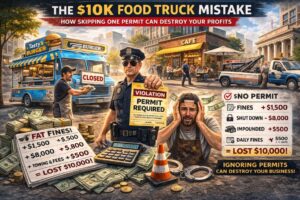
The real snag? Local laws create a web of steps to follow. Skip them, and you risk fines or shutdowns. One wrong move could end your dream before it starts. This guide breaks it down. You’ll get a clear path through licenses, health checks, and city permits for OKC food trucks. By the end, you’ll know how to launch legally and serve up success.
Section 1: Foundational Requirements for Oklahoma City Food Trucks
Start strong with the basics. These steps set your business on solid ground before diving into health or city approvals. Think of them as the roots of your operation.
Business Structure and Legal Registration
Pick a setup for your food truck business first. Options include a sole proprietorship for solo owners or an LLC for more protection. File with the Oklahoma Secretary of State online. It costs about $100 for an LLC and takes a few days.
Get an EIN from the IRS next. It’s free and quick via their website. This number helps with taxes and banking. Check name availability early on the Secretary of State’s site. Avoid headaches later by picking something unique.
- Search for your business name.
- File articles of organization if forming an LLC.
- Apply for EIN right after.
These steps keep things legal from day one. Without them, you can’t move forward with permits.
Oklahoma State Sales Tax Permit
Sell food? You need to handle sales tax. Register with the Oklahoma Tax Commission for a sales tax permit. It’s free, but you must collect 4.5% state tax plus OKC’s 3.875% local rate. That totals 8.375% on most items.
Apply online through the OTC portal. Provide your EIN and business details. Once approved, you get a permit number to display. Remit taxes monthly or quarterly based on sales volume.
Track every sale carefully. Tools like QuickBooks make it easy. Miss this, and penalties add up fast. Stay compliant to keep your OKC food truck permit smooth.
Commercial Vehicle Insurance and Registration
Your truck counts as a commercial vehicle. Register it with the Oklahoma Tag Agency. Pay fees based on weight, around $100 yearly. Add commercial plates to show it’s for business.
Insurance is key. OKC requires at least $1 million in liability coverage. Get commercial auto insurance for accidents. General liability protects against customer claims, like food poisoning suits.
Shop quotes from providers like Progressive. Expect $2,000 to $5,000 a year. Proof of insurance goes with your permit apps. Drive safe—tickets can delay approvals.
Section 2: The Critical Role of the Oklahoma City Health Department (OKCHD)
Health rules top the list for food safety. The OKCHD oversees this to protect eaters. Mess up here, and your whole plan stalls.
Mobile Food Unit Plan Review Application
Submit plans to OKCHD before building out your truck. Include your menu, like burgers or salads. Add a commissary agreement for off-site prep. Draw schematics showing layout and gear.
Equipment specs matter. List sinks, fridges, and stoves. Fees run $200 to $400 for review. Approval takes two to four weeks.
The commissary deal is must-have in OKC. It ensures clean water and waste handling. Find one through local kitchens or shared spaces. This step clears the path for inspections.
Health Inspection Checklist and Approval
Once plans pass, book your inspection. Inspectors check for a three-compartment sink for washing. Handwashing stations need hot water at 100 degrees. Fridges must hold 41 degrees or below.
Look for proper ventilation and pest control. Floors and walls should be easy to clean. Pass this, and you snag your health permit. It costs $250 initially.
Call ahead for a pre-inspection if available. Fix issues on the spot. Many trucks pass on the first try with prep. Keep records of temps and cleaning logs.
- Install thermometers in all coolers.
- Test water heaters before the visit.
- Stock sanitizing supplies.
Obtaining the Food Handler Permits for Staff
Everyone handling food needs training. Owners often get a Manager Certification. It costs $100 and covers four hours of class. Employees grab a basic Food Handler Card for $15 online.
OKC follows state code, so ANSI-approved courses work. Renew every three years. Display cards in the truck.
Train your team early. It boosts safety and speeds up hiring. Fines hit $500 for missing certs. Safe food builds trust with customers.
Section 3: Zoning, Location, and City-Specific Vending Permits
Where you park matters big time. OKC zoning shapes your spots. Learn these to avoid no-go zones.
Understanding OKC Zoning Ordinances for Mobile Vending
Food trucks can’t park just anywhere. Stay 200 feet from restaurants in the same zone. No spots within 100 feet of intersections. Check the city’s zoning map online.
Areas like Bricktown allow trucks at events but ban them on sidewalks. Automobile Alley has spots for markets. Review Ordinance 28-1 for details.
Scout locations ahead. Apps like Street Food Finder help. Partner with breweries for steady gigs. Respect rules to build good ties with locals.
The City of Oklahoma City Vending Permit (Business License)
Apply for a city vending permit through the Clerk’s office. Submit after health approval. Include your business license app, fees at $150 yearly.
Processing takes 10 days. It covers mobile vending citywide. Renew each January.
Display the permit on your truck. It proves you’re legit. Tie it to your sales tax setup for full coverage.
Fire Marshal Inspection and Permit
Fire safety comes next. The OKC Fire Marshal checks propane setups. Tanks must be secured outside. Install hood suppression systems over cookers.
Keep extinguishers handy and rated for grease fires. Inspection fee is $50. Pass rate? High if you follow codes.
Hire a certified installer for gas lines. It prevents leaks. This permit lasts a year. Re-inspect before renewals.
Section 4: Operational Considerations and Ongoing Compliance
Day-to-day rules keep you running. Ignore them, and permits vanish. Focus on these for long-term wins.
Commissary Agreement Verification
Even self-contained trucks need a commissary. Use it for water fill-ups and waste dumps. OKCHD verifies the agreement yearly.
Choose a licensed spot with NSF equipment. Costs vary, $100 to $300 monthly. Log visits to prove use.
This setup cuts health risks. It also helps with storage during off-hours. Stick to it for smooth operations.
Waste Disposal and Grease Management Protocols
Dump grey water only at approved sites. No street drains. Collect grease in traps for proper haul-away.
OKC fines $250 for bad disposal. Use sealed bins for trash. Schedule pickups weekly.
Partner with services like Waste Management. They handle grease for $50 a load. Clean habits prevent clogs and smells.
Renewals and Annual Compliance Deadlines
Health permits expire yearly in your birth month. Renew with a $200 fee and re-inspection. City vending licenses due January 1st.
Sales tax? File returns on time. Fire permits renew with the health one. Budget $500 total for all.
Set calendar reminders. Late fees double costs. Stay current to avoid shutdowns.
Conclusion: Launching Your OKC Food Truck Legally
Securing a food truck permit in Oklahoma City ties together city licensing, health department nods, and fire marshal checks. Miss one link, and the chain breaks. But with planning, you cut wait times from months to weeks.
Build your truck to code from the start. It eases inspections and saves cash. Picture this: your rig rolling out, serving hot meals to happy crowds.
Ready to hit the streets? Gather docs, apply today, and join OKC’s tasty wave. Your spot awaits—grab that permit and cook up some magic.