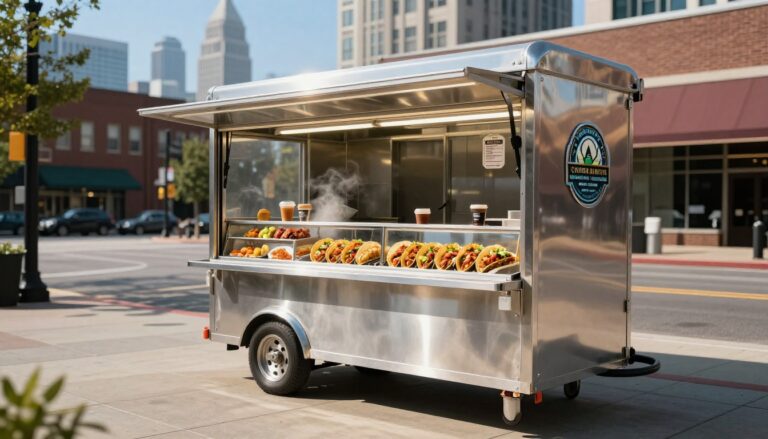
Sidewalk Vending Permit in Fort Worth, TX

Securing Your Sidewalk Vending Permit in Fort Worth, TX: A Comprehensive Guide
Picture this: You’re pushing a shiny cart full of fresh tacos or handmade jewelry through the heart of Fort Worth. The Stockyards buzz with energy, and folks line up for your goods. But without the right paperwork, that dream hits a wall fast. Mobile vending has boomed here in recent years, with food trucks and carts popping up everywhere from Sundance Square to the Near Southside. The City of Fort Worth keeps a close eye on these setups to make sure public spaces stay safe and fair for everyone. That’s where the sidewalk vending permit comes in—it lets you operate legally and dodge hefty fines or shutdowns.
This guide walks you through every step to snag your sidewalk vending permit in Fort Worth, TX. You’ll learn the rules, the paperwork, and the tips to get approved quick. By the end, you’ll feel ready to join the ranks of successful vendors boosting the local economy. No more guessing games—just clear paths to your spot on the sidewalk.
Understanding Fort Worth Sidewalk Vending Regulations
Fort Worth treats sidewalk vending like a key part of city life, but it comes with strict rules. These laws protect pedestrians, businesses, and the vibe of neighborhoods. You can’t just roll up anywhere; the city wants order in its public spots.
Defining Sidewalk Vending in Fort Worth Jurisprudence
The city sees a sidewalk vendor as someone selling goods or food from a cart or stand on public walkways. Think pushcarts no wider than four feet, parked at least three feet from the curb. Displays can’t block paths or hang over onto the street. Vendors must stay mobile, ready to move if needed, to keep sidewalks clear.
Food vendors face extra layers. They need this city permit plus a health okay from Tarrant County. Retail sellers, like those hawking T-shirts or crafts, skip the health part but still follow city setup rules. This split keeps things tidy—food stays safe, and all sales play by the same space guidelines.
One quick note: If your cart sells ice cream or hot dogs, count it as food vending. Simple merchandise? That’s general. Mixing both? You might need dual approvals. Get this right early to avoid mix-ups later.
Key Zoning and Location Restrictions
Not every corner works for your cart. Fort Worth bans vending in spots like the Cultural District or parts of Downtown near big events. Stay clear of school zones, fire hydrants, or bus stops too. Setbacks matter—keep 10 feet from crosswalks and five feet from store doors.
Some areas have “priority zones” where permits cap out fast. Think busy parks or festival streets; the city limits spots to prevent crowds. Check the zoning map online before you dream big. Prohibited zones include residential sidewalks unless you get a special nod.
Why these limits? They stop traffic jams and let foot traffic flow smooth. Imagine a cart blocking a family rushing to the zoo—that’s a no-go. Always scout your spot first; a quick call to city planning saves headaches.
The Application Process: Step-by-Step Compliance
Applying for a sidewalk vending permit in Fort Worth feels like a puzzle, but break it down, and it’s doable. Start early, as approvals take weeks. The city code enforcement team handles this, so know where to look.
Required Documentation and Prerequisites
Gather your basics before hitting submit. You need a government ID, like a driver’s license, to prove who you are. Proof of general liability insurance covers accidents—aim for at least $100,000 per incident. If it’s a food cart, snag a fire inspection from the local department.
Business setup counts too. File a DBA if you’re a sole owner, or show your LLC papers from the Texas Secretary of State. No business entity? That’s fine for starters, but register soon for tax ease. Vendors under 18 need parent sign-off.
Don’t forget a site plan sketch. Draw your cart’s spot, nearby buildings, and paths. This shows you plan smart. Missing one paper? Your app gets kicked back, wasting time.
Navigating the City of Fort Worth Portal and Fees
Head to the City of Fort Worth website under Development Services for the form. Search “sidewalk vending permit” to find the portal—it’s user-friendly with upload spots. Fill online or print and drop off at City Hall.
Fees run about $100 for the initial app, plus $50 yearly renewal as of early 2026. Food carts tack on health fees separately. Pay by card or check; no cash at the desk. Budget extra for inspections—they add up.
Common slip-ups? Blurry scans or wrong addresses. Double-check your spot’s zoning code. Use this checklist:
- Valid ID uploaded.
- Insurance certificate attached.
- Business filing proof if needed.
- Fee paid in full.
One vendor tip: Apply during off-peak months like February. Lines shorten, and staff move faster.
Health, Safety, and Operational Requirements
Beyond the permit, safety rules keep your operation running smooth. Fort Worth stresses clean setups and quick responses to issues. Ignore them, and inspectors shut you down.
Food Safety and Health Department Clearance (If Applicable)
Food vendors link arms with Tarrant County Public Health right away. They check your cart for sinks, fridges, and waste bins. No permit without their green light—it’s a must for city approval.
Commissaries act as your home base for prep and storage. Rent one from a licensed kitchen; agreements run $200 a month or so. Get this locked in week one—delays here stall everything.
Pro tip: Schedule health inspections early. Walk through your menu with them; tweaks like better thermometers help pass fast. Non-food folks skip this, but all vendors watch for pests or spills.
Cart Standards and Insurance Verification
Your vending unit must fit city specs. Carts top out at six feet tall, with wheels for easy moves. Colors blend with surroundings—no neon clashes in historic spots. Fire extinguishers? One ABC type, checked yearly.
Insurance verifies you cover public slips or cart tip-overs. City minimums hit $300,000 total, naming Fort Worth as extra insured. Shop quotes from local agents; bundles save cash.
Test your setup before launch. Park it empty, check stability. A wobbly cart spells trouble on windy days.
Maintaining Compliance and Permit Renewal
Once approved, the work doesn’t stop. Stay on top of rules to keep vending. Fort Worth checks in often, so vigilance pays off.
Annual Renewal Procedures and Timelines
Renew 60 days before your permit expires—marks on your calendar. Submit updated insurance and a clean record form. No violations? It’s a quick online refresh for $50.
If life’s changed, like a new cart, add proofs. Late renewals? Pay double fees or face gaps in coverage. Set reminders; apps like Google Calendar work great.
One real case: A taco vendor forgot last year and lost prime spots. Renew on time to hold your zone.
Enforcement and Violation Consequences
Break rules, and fines start at $200 for no permit. Move to wrong spots? That’s $500 jumps. Repeat issues lead to 30-day suspensions or full revokes.
City code officers patrol busy areas. In 2025, they issued over 150 tickets downtown alone. Get caught selling expired goods? Health fines pile on.
Appeal violations quick—file within 10 days. Most settle with fixes, like better signage. Play fair; it keeps the community happy.
Conclusion: Becoming a Legal Contributor to Fort Worth’s Economy
Grabbing your sidewalk vending permit in Fort Worth, TX boils down to three big steps: Know the regs, prep your docs, and nail safety standards. From zoning checks to insurance proofs, each piece builds your legal base. Skip corners, and risks mount—fines, shutdowns, lost sales.
Legal vending lets you thrive in Cowtown’s mix of cowboy charm and city buzz. Prep thorough, follow ordinances, and watch your business grow. Ready to start? Hit the city portal today and claim your sidewalk slice. Your success adds flavor to Fort Worth—go make it happen.
(Word count: 1,248)