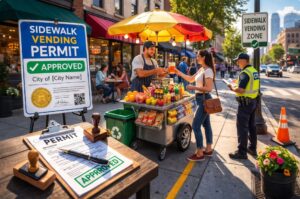
Sidewalk Vending Permit Process in Stockton, CA
Navigating the Sidewalk Vending Permit Process in Stockton, CA
In recent years, sidewalk vending has gained popularity across the United States, including in California. Cities like Stockton have recognized the potential benefits that sidewalk vendors bring to local economies and communities. This article explores the specifics of obtaining a sidewalk vending permit in Stockton, CA, including the necessary steps, responsibilities of vendors, and the impact on the community.
Understanding Sidewalk Vending in Stockton
Sidewalk vending refers to the practice of selling goods or services on public sidewalks or streets. In Stockton, the local government has established regulations to ensure that sidewalk vending is conducted in a way that is safe, aesthetically pleasing, and does not obstruct pedestrian traffic. Vendors can offer a variety of products, from food items to handmade crafts.
In 2018, the California State legislature passed SB 946, which aims to decriminalize sidewalk vending and promote the establishment of regulatory frameworks. This law allows municipalities to implement their own regulations, thus enabling communities like Stockton to create a structured approach to sidewalk vending.
The Importance of a Sidewalk Vending Permit
Obtaining a sidewalk vending permit is essential for several reasons:
- Legality: A permit ensures that vendors are operating within the law, minimizing the risk of fines or citations.
- Safety: It helps maintain public safety by regulating the locations and conditions under which vendors can operate.
- Community Impact: A structured permitting process can help enhance local economies while considering the needs of the community.
- Quality Control: Permits can help ensure that vendors meet health and safety standards, particularly for food-related sales.
Steps to Obtain a Sidewalk Vending Permit in Stockton
1. Research Local Guidelines
Before applying for a permit, potential vendors should familiarize themselves with Stockton’s specific sidewalk vending regulations. These guidelines can typically be found on the City of Stockton’s official website or by visiting the local city hall. Understanding zoning laws, prohibited areas, and any restrictions on the type of goods sold is crucial.
2. Complete the Application
Once familiar with the guidelines, vendors can proceed to complete the sidewalk vending permit application. This application is available online or at the city’s permit office. Vendors will need to provide various details, including:
- Contact Information: Name, address, and phone number.
- Business Information: If applicable, the vendor’s business name.
- Type of Vending: A detailed description of the goods or services to be offered.
- Preferred Location: Indicate where you plan to vend (keeping in mind any restrictions).
3. Submit Required Documentation
Along with the application form, applicants will likely need to submit supporting documents, which may include:
- A valid photo ID.
- Business license or California seller’s permit (if applicable).
- Proof of liability insurance.
- Health department permits (if vending food items).
4. Pay Fees
There may be fees associated with the application for a sidewalk vending permit. The amount can vary depending on the city regulations, so it’s important to check the most current fee schedule. Payment options typically include credit or debit cards, checks, or cash.
5. Attend an Interview or Orientation (If Required)
In some cases, applicants may be required to attend an interview or orientation session. This serves as an opportunity for city officials to clarify the rules and answer any questions vendors might have.
6. Await Approval
After submitting the application and necessary documentation, vendors will need to wait for approval from the city. This process can take anywhere from a few days to several weeks, depending on the current demand for permits and the completeness of the application.
7. Adhere to Local Regulations
Once the permit is obtained, it is important for vendors to comply with all local regulations. This includes adhering to any health and safety codes, maintaining cleanliness in the vending area, and respecting other city ordinances.
Key Regulations for Sidewalk Vendors in Stockton
The City of Stockton has established various regulations that all sidewalk vendors must adhere to, including:
- Location Restrictions: Vendors are usually prohibited from setting up in certain areas, such as near schools, parks, and busy intersections. Always confirm the latest regulations before selecting a vending location.
- Health and Safety Compliance: Food vendors must comply with health department inspections and obtain necessary permits to ensure food safety standards are met.
- Sales Hours: Vendors may have restrictions on operating hours to minimize noise and congestion during certain times of the day.
The Community’s Role in Supporting Sidewalk Vending
Community members can play an important role in the sustainability of sidewalk vending by supporting local vendors. Shopping from sidewalk vendors not only contributes to the local economy but also enhances the vibrancy of public spaces.
In addition, community organizations can engage with vendors to foster partnerships that promote local arts and culture. Events like street fairs or food festivals can be a great way to highlight the offerings of sidewalk vendors and encourage more locals and tourists to explore the area.
Challenges Faced by Sidewalk Vendors
Despite the benefits, sidewalk vendors face their share of challenges, including:
- Limited Access to Prime Locations: High-traffic areas are often limited in terms of available vending spots.
- Competition: With the growing number of vendors, competition for customers can be fierce.
- Regulatory Changes: Permits may be subject to changes in local regulations or policies, which can create uncertainty.
The Economic Impact of Sidewalk Vending
Sidewalk vendors can have a significant positive impact on the local economy. By providing unique products and services, they contribute to the diversity of the marketplace. Moreover, sidewalk vending serves as an entry point for aspiring entrepreneurs to start small businesses, often requiring lower capital investments.
Statistics show that food-related sidewalk vending has seen an uptick in patronage, particularly as communities seek convenient dining options. According to the City of Stockton’s economic reports, sidewalk vendors have greatly contributed to job creation and tourism within the city.
Conclusion
The process of obtaining a sidewalk vending permit in Stockton, CA, is straightforward but requires adherence to specific regulations to ensure community safety and compliance with local ordinances. Vendors play a crucial role in enriching the community’s economic fabric while offering diverse goods and services.
By aligning their operations with the city’s regulations and actively contributing to the local economy, sidewalk vendors can create successful, sustainable businesses that enhance Stockton’s vibrant street culture. Whether you aspire to sell delicious street food or handmade crafts, embracing the sidewalk vending opportunity might just be the step towards transforming your entrepreneurial dreams into reality.
For more information, visit the City of Stockton’s official website or contact the city’s permit office at [phone number] for personalized assistance with your sidewalk vending permit process.