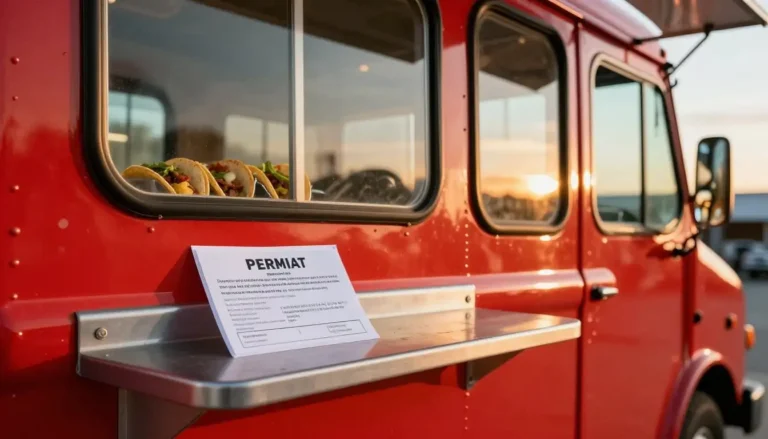
Food Truck Permit in Tulsa, OK
Food Truck Permit in Tulsa, OK: Your Complete Guide
Operating a food truck in Tulsa, Oklahoma, can be an exciting venture. However, before hitting the streets to serve your culinary creations, it’s essential to navigate the necessary permits and regulations. This comprehensive guide will help you understand the steps, requirements, and tips for obtaining a food truck permit in Tulsa.
Understanding Food Truck Permits
What is a Food Truck Permit?
A food truck permit is a legal authorization granted by city officials, allowing food trucks to operate within designated areas. In Tulsa, various permits and licenses are required to ensure compliance with health, safety, and zoning regulations.
Why is a Permit Necessary?
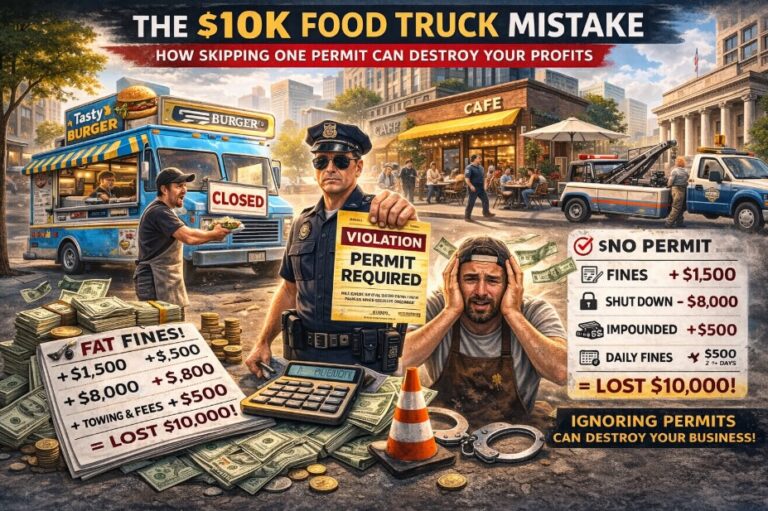
Operating without a permit can lead to fines, confiscation of equipment, and closure of your business. Permits ensure that food trucks meet local health standards and zoning laws, protecting both the vendor and the community.
Steps to Obtain a Food Truck Permit in Tulsa
1. Research Local Regulations
Before applying for a permit, familiarize yourself with the local regulations regarding food trucks in Tulsa. The City of Tulsa’s website provides information on zoning laws, operational hours, and health department requirements.
2. Develop a Business Plan
A solid business plan is crucial for any entrepreneurial venture. Outline your menu, target market, pricing strategy, and marketing approach. This plan will not only guide your operations but may also be necessary when applying for certain permits or financing.
3. Choose a Suitable Location
Identifying where you can operate legally is critical. Areas near schools, events, and businesses may offer better opportunities, but you must ensure that these spots comply with zoning regulations. Research local hotspots and evaluate potential competition.
4. Register Your Business
To operate legally, you must register your food truck business. This may include choosing a business structure (LLC, sole proprietorship, etc.) and registering with the Oklahoma Secretary of State. You will also need to obtain a tax identification number from the IRS.
5. Secure Necessary Permits and Licenses
In Tulsa, several permits and licenses are required:
- Food Service Establishment Permit: Issued by the Tulsa Health Department, this permit ensures your food truck complies with health and safety regulations. You will need to pass an inspection, which includes checking your cooking equipment, food storage, and sanitation practices.
- Mobile Food Vendor License: This license allows you to operate as a mobile food vendor within the city. The application usually requires basic information about your business, along with proof of insurance.
- Sales Tax Permit: Obtained from the Oklahoma Tax Commission, this permit enables you to collect sales tax on your food sales.
- Fire Permit (if applicable): If your food truck uses cooking equipment that involves a heat source, you may need a fire permit from the Tulsa Fire Department.
6. Insurance Requirements
Insurance protects your business from unforeseen circumstances. It is advisable to obtain:
- Liability Insurance: This covers claims resulting from accidents, injuries, or damages related to your food truck operations.
- Vehicle Insurance: Ensure your food truck is covered under a commercial vehicle insurance policy.
7. Prepare for Health Inspections
Before receiving your Food Service Establishment Permit, you will need to undergo an inspection by a health official. Ensure that your food truck meets the following requirements:
- Cleanliness and organization of food storage areas
- Proper food handling and cooking procedures
- Availability of handwashing stations
- Appropriate waste disposal methods
8. Complete the Application Process
Once you have all your documents in order, submit your applications to the appropriate departments. The processing time can vary, so be patient and follow up with local officials if necessary. Be prepared to pay applicable fees throughout this process.
9. Marketing Your Food Truck
Once you secure your permits, it’s time to spread the word about your food truck. Utilize social media platforms, create a website, and consider using food truck finder apps to reach potential customers.
Tips for Success with Your Food Truck
Stay Compliant
Regularly review your permits and licenses to ensure they remain up to date. Additionally, be vigilant about local regulations that may change over time.
Build a Strong Brand
Your food truck’s branding plays a crucial role in attracting customers. Create an appealing logo, design an eye-catching truck exterior, and fine-tune your menu to stand out in a competitive market.
Network with Other Food Truck Owners
Connecting with fellow food truck owners can provide insights and support. Join local food truck associations or online communities to share experiences and learn from one another.
Adapt to Trends
Stay aware of food trends and customer preferences. Being flexible in your menu can help you connect with your audience and increase sales.
Common Challenges Faced by Food Truck Owners
Navigating Regulations
As a food truck owner, you may face challenges in understanding and complying with regulations. It helps to stay informed and seek assistance from local business resources or legal advisors.
Competition
The food truck industry can be competitive, with various vendors vying for the same customer base. Continuous marketing and a unique menu can help differentiate your food truck.
Seasonal Changes
Weather can significantly impact food truck sales. Prepare for slower seasons by planning special promotions or offering catering services to keep income steady throughout the year.
Conclusion
Obtaining a food truck permit in Tulsa, OK, involves understanding and navigating a series of steps and regulations. Following this detailed guide will help you prepare for a successful food truck business journey. With proper permits, a solid business model, and effective marketing, you can fulfill your dream of serving great food to the Tulsa community. Remember to stay informed, adapt to changes, and continually refine your offerings for long-term success.
Armed with this knowledge, you are one step closer to launching your food truck business in Tulsa!