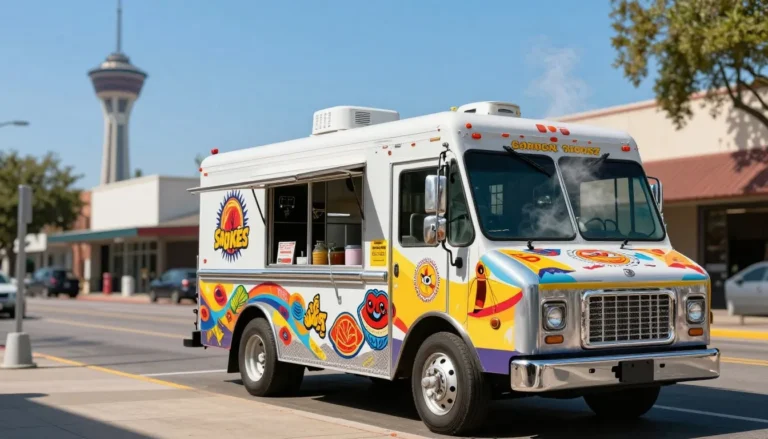
Food Truck Permits in Arlington, TX
Understanding Food Truck Permits in Arlington, TX
Food trucks have become a popular way for entrepreneurs to dive into the food industry with relatively lower overhead costs. However, to operate a food truck in Arlington, Texas, it’s crucial to understand the permit and licensing requirements that govern these mobile vendors. This guide will take you through the necessary steps to obtain a food truck permit, as well as best practices to follow to ensure the smooth operation of your food truck business in Arlington.
What is a Food Truck Permit?
A food truck permit is a legal document that allows you to operate a food truck within a specific jurisdiction. In Arlington, TX, like many cities across the United States, food trucks must comply with local health, safety, and zoning regulations. This permit is essential not only to abide by the law but also to reassure customers that your food truck meets necessary hygiene and safety standards.
Why You Need a Permit
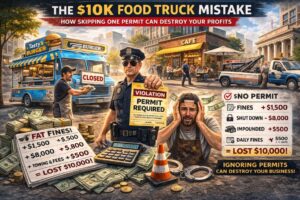
Operating a food truck without the proper permits can lead to fines, business closure, or even legal action. Beyond legal compliance, having the correct permits can enhance your credibility as a legitimate business. Customers may be more inclined to purchase food from vendors who display their permits, indicating adherence to safety standards.
Step 1: Check Local Regulations
Before applying for a food truck permit, it’s important to familiarize yourself with Arlington’s specific regulations regarding food trucks. These regulations can vary significantly from one city to another. You can start by visiting the Arlington city website or contacting the relevant local government offices.
Key Local Regulations to Consider
- Zoning Laws: Make sure to check whether the areas you plan to operate in are zoned for food trucks.
- Health and Safety Codes: Arlington has strict health codes that must be followed, including regular inspections by the health department.
- Operating Hours: Some areas may have restrictions on the hours during which food trucks can operate.
Step 2: Obtain the Necessary Licenses and Permits
Here’s a rundown of the permits you’ll likely need to obtain:
1. Business License
Before running your food truck, you’ll need to file for a business license. This license is typically filed at the city or county level and requires you to provide basic information about your business.
2. Mobile Food Unit Permit
In Arlington, every mobile food vendor must obtain a Mobile Food Unit Permit. This involves submitting an application and paying a fee. The detailed process will include the following:
- Application Submission: Complete the application form provided by the city.
- Fees: There will be fees associated with the application. Make sure to check what these are, as they can vary based on various factors.
- Health Inspections: Your truck will likely need to pass a health inspection before being approved for operation.
3. Food Handler’s Permit
Anyone who handles food in your truck will need to have a Food Handler’s Permit, ensuring they’ve completed a food safety training course. This is crucial for maintaining high health and safety standards in your food operations.
4. Seller’s Permit
If you’re selling prepared food, you may need a seller’s permit, which allows you to collect sales tax on your food sales. Check the Texas state tax website for specifics on how to obtain this permit.
5. Insurance
While not a permit, having liability insurance is vital to protect your business in case of accidents or foodborne illnesses. This coverage can save you from incurring substantial costs in the event of a lawsuit or claim.
Step 3: Prepare Your Food Truck
Once you have your permits in place, the next step is to ensure your food truck is compliant with local regulations. This includes:
- Equipment:
Ensure you have all the necessary cooking and food storage equipment. This also includes proper sanitation and cleaning supplies. - Hygiene Standards:
Make sure your truck meets health codes, which involve having handwashing stations, food thermometers, and temperature control systems for perishable food items. - Display Permits:
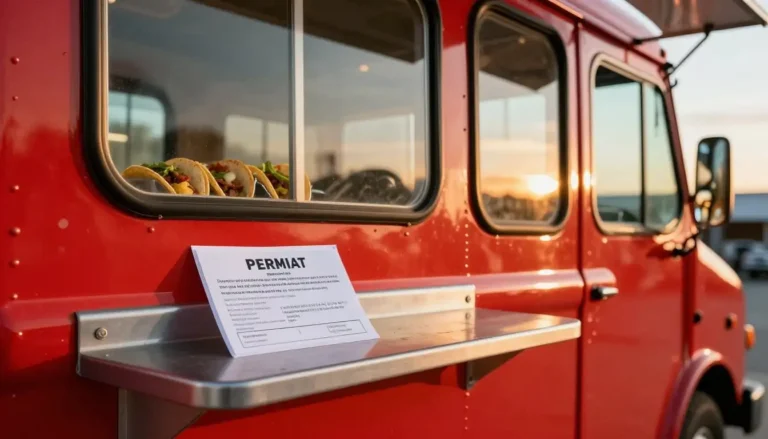
Make sure to display your permits prominently on your truck. This not only builds trust with customers but is required in many jurisdictions.
Step 4: Locate Your Spots
With all permits, licenses, and equipment in line, it’s time to find the best locations to park and serve. Consider high-traffic areas like:
- Local Events: Check for upcoming festivals or gatherings where food trucks are welcome.
- Business Districts: Popular spots near office buildings can provide a steady stream of customers during lunch hours.
- Festivals and Markets: Many communities have weekly markets that allow food trucks to set up.
Step 5: Marketing Your Food Truck
Just because you have a permit and a location doesn’t mean customers will come flocking to you right away. You will need to market your food truck effectively. Here are some strategies:
Build a Social Media Presence
Utilize platforms like Instagram, Facebook, and Twitter to post photos of your food, announce your location each day, and engage with customers. Social media can be a powerful tool to create buzz around your food truck.
Partner with Local Businesses
Work with local businesses to cater events, or set up near their locations. This not only helps with visibility but can also provide a steady stream of customers.
Join Food Truck Associations
Becoming a member of local food truck associations can provide networking opportunities, resources, and support from fellow food truck owners.
Final Thoughts
Starting a food truck business in Arlington, TX can be a rewarding venture. However, it requires following local regulations, obtaining the necessary permits, and ensuring operational compliance. By staying informed and proactive in your approach, you can successfully navigate the permitting process and build a thriving food truck business.
As you embark on this culinary journey, ensure you prioritize quality and customer satisfaction, as these will be the cornerstones of your success. For any further questions about specific requirements or detailed processes, feel free to reach out to the local government or consult with a professional experienced in food service laws in Texas.
Isn’t it time to hit the streets of Arlington and share your delicious offerings? The world of food trucks is waiting!