Food Truck Permits in Tampa, FL
Understanding Food Truck Permits in Tampa, FL
Starting a food truck business can be a lucrative venture, especially in vibrant cities like Tampa, Florida. However, navigating the regulatory landscape, including obtaining the necessary permits, is crucial for success. This comprehensive guide aims to provide you with the essential information you need regarding food truck permits in Tampa, FL.
The Appeal of Food Trucks in Tampa
Tampa is known for its diverse food culture and vibrant street life. With its beautiful weather and numerous events, food trucks have become a popular option for both entrepreneurs and food enthusiasts. They offer flexibility, lower startup costs compared to traditional restaurants, and the ability to reach different customer bases across the city.
Understanding Food Truck Permits
Before you can hit the streets of Tampa with your food truck, you need to secure the necessary permits. The city has specific regulations governing food trucks to ensure safety, cleanliness, and compliance with local health codes.
Types of Permits Required
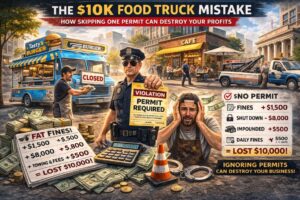
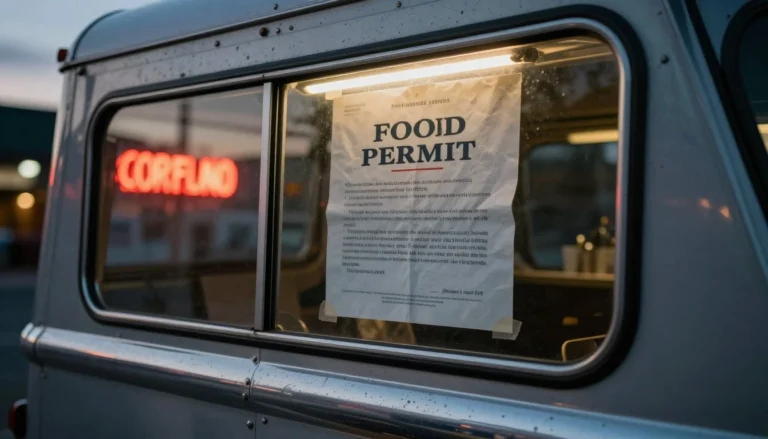
- Mobile Food Vendor Permit: This is the primary permit required for operating a food truck in Tampa. It licenses your vehicle to sell food on the streets. An application must be submitted to the City of Tampa, along with the relevant fees.
- Health Permit: To ensure that all food sold is safe for consumption, a health permit from the Florida Department of Business and Professional Regulation is required. This will involve health inspections of your food truck and adherence to food safety regulations.
- Business Tax Receipt: All businesses operating within Tampa must obtain a business tax receipt, often referred to as a business license.
- Parking Permits: Depending on your service location, you may also need a parking permit, especially if you plan to operate in busy districts or special event areas.
Comprehensive Application Process
The application process for obtaining these permits involves multiple steps. Initially, you will need to complete an application form for your mobile food vendor permit through the City of Tampa’s website. This may include submitting plans for your food truck layout and intended menu.
- Preparing Necessary Documentation: You will typically need to prepare documentation such as proof of business registration, detailed menu items, and your food truck’s layout plan.
- Health and Safety Inspections: Schedule an inspection with the Florida Department of Business and Professional Regulation. Their inspectors will check for compliance with health codes, including food storage, preparation areas, and hygiene standards.
- Payment of Fees: Each permit may have associated fees which vary based on the scope of your operation. Ensure all fees are paid in full to avoid delays.
- Local Zoning Regulations: Research local zoning laws to ensure your food truck can legally operate in the desired area. Different districts may have varying restrictions for mobile vendors.
Potential Challenges in the Process
While obtaining permits may seem straightforward, there can be challenges. Some common issues include:
- Delays in Health Inspections: Booking inspections can sometimes take longer than expected, which might delay your launch.
- Unclear Regulations: Understanding the nuances of local laws can be daunting. It’s advisable to consult with local business resources or a legal professional familiar with Tampa’s regulations.
Choosing the Right Location
Location is vital for food trucks. You need to find a balance between foot traffic and compliance with local laws. Tampa has several areas known for food truck activity, including downtown, near sports venues, and at local events or festivals.
Popular Food Truck Spots in Tampa
- Downtown Tampa: This bustling area is perfect for attracting office workers and tourists, especially during lunch hours and events.
- Ybor City: Known for its vibrant nightlife, Ybor City is an ideal spot for evening operations when foot traffic spikes.
- Local Festivals and Farmers Markets: Participating in community events can significantly boost your visibility and customer base. Make sure to apply for any additional permits specific to these events.
Marketing Your Food Truck
Once you’ve secured your permits and chosen your location, it’s time to market your food truck. Establishing a strong brand presence is essential for attracting customers.
Creating a Brand Identity
- Unique Name and Logo: Choose a catchy name and design a visually appealing logo that resonates with your target demographic.
- Social Media Presence: Leverage platforms such as Instagram and Facebook to showcase your menu, special offers, and locations.
- Engaging with Customers: Interaction with customers through social media, online reviews, and even on-site engagement can enhance your truck’s reputation.
Staying Compliant with Local Laws
After launching your food truck, it’s crucial to remain compliant with regulations to ensure longevity in the business. Regularly check for changes in local laws, renew permits as required, and maintain sanitary conditions in your food preparation areas.
Ongoing Requirements
- Health Inspections: Most jurisdictions require periodic health inspections; ensure you stay on top of these to avoid potential fines or business interruptions.
- Business License Renewal: Keep track of renewal dates for your business tax receipt and other necessary permits.
Adapting to Seasonal Changes
Tampa’s weather can vary significantly throughout the year. Being adaptable is essential—consider adjusting your menu or operating hours according to seasonal demands. In cooler months, for example, comfort foods may attract more customers.
Resources for Food Truck Owners in Tampa
As a food truck owner, taking advantage of available resources can significantly enhance your business acumen.
- Local Business Development Centers: Organizations like the Tampa Bay Chamber of Commerce often provide resources for local entrepreneurs, including workshops on food business regulations.
- Networking with Other Food Truck Owners: Joining local food truck associations or online forums can be invaluable for gaining insights and sharing experiences with fellow entrepreneurs.
- Workshops on Compliance and Safety: Attend workshops that focus on health regulations, food safety, and marketing strategies to stay informed.
Conclusion
Starting a food truck business in Tampa, FL, requires careful planning, compliance with local regulations, and a solid marketing strategy. By understanding the types of permits needed and navigating the application process effectively, you can set yourself up for success in this vibrant industry. Embrace the challenges, connect with your community, and enjoy the journey of bringing your culinary creations to the streets of Tampa!