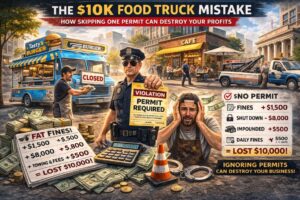
Food Truck Permit in Newark, NJ
Food Truck Permit in Newark, NJ: A Comprehensive Guide
Introduction
Starting a food truck in Newark, NJ, can be an exciting venture. With the growing popularity of food trucks, many entrepreneurs are keen to tap into this dynamic market. However, before hitting the streets, it’s essential to navigate the local regulations to ensure that you operate legally. This guide provides a detailed overview of the permit process for food trucks in Newark, NJ.
Understanding Food Truck Permits
The first step in launching your food truck business is understanding the necessary permits. A food truck permit is a legal authorization that allows you to operate your business in a designated area. In Newark, this process involves several steps, and understanding them will help you avoid common pitfalls.
Types of Permits Required
In Newark, several permits and licenses might be required depending on your specific business model. Here are some key permits to consider:
- Mobile Food Vendor License: This license is essential for all food truck operators in Newark. It regulates how and where you sell food.
- Food Establishment License: This license is necessary if your truck prepares any food items. This ensures that your food preparation meets health and safety standards.
- Health Department Permit: The Newark Health Department conducts inspections of food trucks to ensure compliance with health regulations. You will need to pass an inspection to obtain this permit.
- Fire Department Permit: If your food truck uses cooking equipment that poses a fire risk, you will need to obtain a permit from the local fire department.
- Zoning Permit: Your food truck must operate in zones designated for such businesses. A zoning permit will ensure that you comply with local zoning laws.
- Sales Tax Certificate: All food businesses in New Jersey must obtain a sales tax certificate from the state, allowing you to collect sales tax on your food items.
The Application Process
Once you’re familiar with the required permits, the next step is to apply for them. Each permit has its application process, so it’s crucial to follow each step carefully.
Step 1: Business Registration
Before applying for any permits, you need to register your food truck as a business entity. This can be done through the New Jersey Division of Revenue. Choose the right business structure, whether it be a sole proprietorship, partnership, or LLC, and register accordingly.
Step 2: Preparing Your Truck
Your food truck must be compliant with health and safety regulations before inspections can occur. Ensure that your truck is clean, equipped, and ready for operation. Have your menu items planned and make sure they comply with health standards.
Step 3: Obtain Health Department Approval
To receive your food establishment license, you must schedule an inspection with the Newark Health Department. They will evaluate your truck’s cleanliness, equipment, and food handling practices.
Step 4: Fire Safety Inspection
If your food truck operates with cooking appliances, a fire safety inspection is critical. This inspection will check your systems for compliance with local fire safety codes.
Step 5: Zoning Verification
Once you have your health and fire permits, verify that your desired food truck location is zoned for such use. Contact the Newark zoning office to ensure compliance with local regulations.
Step 6: Apply for the Mobile Food Vendor License
With all other permits in hand, you can apply for the Mobile Food Vendor License. The application typically requires you to submit various documents, including proof of insurance and certifications from health and safety inspections.
Step 7: Obtain Your Sales Tax Certificate
To finalize your ability to sell food, obtain a Sales Tax Certificate from the New Jersey Division of Taxation. This certificate allows you to charge and collect sales tax from your customers.
Costs and Fees
Understanding the financial aspect of the permitting process is crucial. While the costs vary depending on the types of permits required, here’s a breakdown of common fees you may encounter:
- Mobile Food Vendor License Fee: $100 – $200 annually.
- Food Establishment License Fee: $200 – $500 depending on the food complexity.
- Health Department Inspection Fee: $150 for the initial inspection.
- Fire Department Permit Fee: $75 – $150 for inspection.
- Zoning Permit Fee: Variable, depending on the zoning office.
Note: Always check the Newark city website or contact local offices for the most updated fee information.
Compliance and Renewals
Once your food truck is up and running, compliance becomes an ongoing responsibility. Regular inspections will be conducted by the Health Department to ensure that your food truck remains compliant with health and safety standards.
Permit Renewals
Most permits will require renewal annually or biannually. Stay informed about renewal deadlines to avoid any interruptions to your business.
Best Practices for Food Truck Operators
After securing your permits and licenses, the real work begins. Here are some best practices to help you run a successful food truck operation in Newark:
Maintain Cleanliness
Both the inside and outside of your food truck should be kept spotless. Regularly inspect and clean your equipment, dining area, and work surfaces to maintain high health standards.
Keep Track of Inventory
Monitoring your inventory helps in managing food costs and reducing waste. Implement a good inventory management system to streamline your operations.
Engage with Your Customers
Building rapport with your customers can enhance your food truck’s reputation. Engage through social media, promotions, and by participating in local events to attract and retain customers.
Stay Informed
Be aware of changes in food truck regulations and local laws. Subscribe to local business newsletters or join food truck associations to stay ahead of new requirements.
Conclusion
Navigating the permit process for your food truck in Newark, NJ, may seem challenging, but it is essential for legal and successful operation. By understanding the various permits required and following the necessary steps, you can create a viable business model in this thriving environment.
Starting a food truck can be an incredibly rewarding endeavor. With proper planning, compliance, and a focus on quality, you’ll be able to serve delicious food while enjoying the entrepreneurial journey. Good luck with your food truck venture!