Food Truck Permit in Riverside, CA
Navigating the Food Truck Permit Process in Riverside, CA
Starting a food truck business in Riverside, California, is an exciting venture that brings culinary creativity to the streets. However, before you can hit the road and serve delicious meals to your community, understanding the food truck permit process and ensuring compliance with local regulations is crucial. This comprehensive guide will take you through everything you need to know about obtaining a food truck permit in Riverside, CA.
Understanding the Importance of a Food Truck Permit
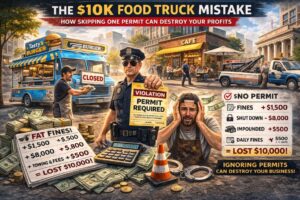
A food truck permit is more than just a piece of paper; it’s a critical requirement that ensures your business operates legally and safely. Permits protect public health and ensure that food served to customers meets health and safety standards. In Riverside, failing to obtain the necessary permits can lead to fines, business closures, and legal issues.
Types of Permits Required for Food Trucks in Riverside
To operate a food truck in Riverside, several permits and licenses are typically required. These may include:
1. Business License
Every food truck operator must obtain a business license from the City of Riverside. This license registers your business with the local authorities and ensures you are compliant with local tax regulations.
2. Health Permits
The Riverside County Department of Environmental Health requires food trucks to obtain health permits. This typically involves passing inspections to ensure that your food preparation and storage meet health and safety codes.
3. Mobile Food Facility Permit
In Riverside, food trucks fall under the category of mobile food facilities. You must acquire a mobile food facility permit, which ensures that your truck meets specific safety and operational guidelines.
4. Fire Department Permit
If your food truck operates a propane grill or other cooking equipment, you may need a permit from the Riverside Fire Department. This is crucial for ensuring your equipment is safe and up to code.
The Step-by-Step Process to Obtain Your Food Truck Permit
Step 1: Research and Understand Local Regulations
Before you begin the permit application process, familiarize yourself with Riverside’s local regulations regarding food trucks. Resources like the City of Riverside’s website and the Riverside County Department of Environmental Health can provide valuable information.
Step 2: Complete Required Applications
- Business License Application: Visit the City of Riverside’s Business License Office and complete the necessary application forms.
- Health Permit Application: Fill out the health permit application through the Riverside County Department of Environmental Health. You’ll be required to provide information about your food menu, food preparation methods, and your truck’s layout.
Step 3: Prepare for Inspections
Once your applications are submitted, you’ll need to prepare for inspections. The health department will evaluate your food truck’s interior, equipment, and food storage practices to ensure compliance. Similarly, the fire department will inspect your cooking equipment.
Step 4: Obtain Additional Permits
Depending on your menu and operations, you may need extra permits:
- Tent Permits if you plan to set up outside your truck for distributing food.
- Waste Water Disposal Permits to ensure proper waste management systems are in place.
Step 5: Pay Necessary Fees
Each permit comes with associated fees. Make sure to check the current fee schedule for the City of Riverside and Riverside County to avoid any surprises.
Step 6: Wait for Approval
After submitting applications and paying fees, be prepared to wait for the approval process. This duration can vary, so it’s wise to apply well in advance of when you plan to start your operations.
Important Considerations for Your Food Truck Business
Choosing the Right Location
Location can make or break your food truck business. Riverside offers plenty of options, including festivals, events, and popular street corners. Before setting up, make sure to check if you need permits for specific locations and understand the rules regarding parking and setup timeframes.
Compliance with Zoning Regulations
Riverside has specific zoning regulations that dictate where food trucks can operate. Ensure that you’re familiar with these laws to avoid fines and operational setbacks.
Insurance Requirements
While not a permit, acquiring proper insurance is essential for protecting your business. Speak with an insurance agent experienced in food truck operations to secure liability insurance and protect your assets.
Consider Joining a Food Truck Association
Many cities have food truck associations that provide support and resources for mobile food vendors. Joining such organizations can provide networking opportunities, help you keep updated on local rules and regulations, and offer marketing support.
Tips for Successfully Operating Your Food Truck in Riverside
Create an Engaging Menu
Your menu is your primary way to attract customers. Offer unique dishes that reflect your culinary style while also considering dietary preferences, such as vegetarian or gluten-free options.
Leverage Social Media
Utilize platforms like Instagram, Facebook, and Twitter to promote your food truck. Sharing images of your food and announcing your location will help build a loyal customer base.
Build Relationships with Customers
Personal interaction can differentiate your food truck from others. Get to know your customers, listen to their feedback, and create a welcoming atmosphere.
Stay Updated on Regulations
Food truck regulations can change, so staying informed about local laws and regulations is essential for your continued success. Regularly check Riverside city websites and attend workshops offered by the local business community.
Troubleshooting Common Permit Challenges
Even with thorough preparation, you may encounter challenges while securing your food truck permit. Here are some common issues and solutions:
Delays in Approval
If you experience delays, don’t hesitate to follow up with local authorities. Sometimes applications may require additional information or clarification, so staying proactive can expedite the process.
Inspection Failures
Preparing for health and safety inspections is crucial. Make sure to follow all guidelines and best practices. If you do fail an inspection, address the issues, request a re-inspection, and document the changes made.
Misunderstanding Zoning Regulations
If you receive a notice about zoning violations, review the local zoning and parking regulations thoroughly. It may be necessary to look for alternative locations that are compliant.
Conclusion
Starting a food truck business in Riverside, CA, is a rewarding endeavor filled with challenges and excitement. By thoroughly understanding the permit process, local regulations, and operational best practices, you can position your food truck for success. Remember that thorough preparation, a compliant approach, and engaging with your local community will set the foundation for a thriving mobile food business.
With this guide in hand, you’re now equipped to navigate the complexities of obtaining a food truck permit in Riverside and embark on your culinary journey!