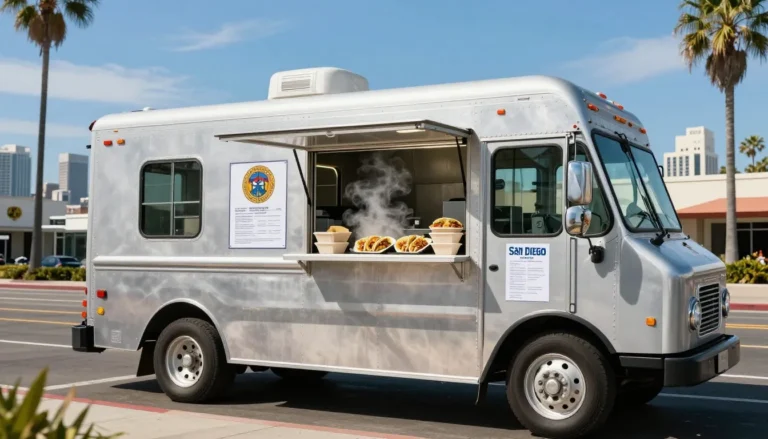
Food Truck Permit in Orlando, FL
Navigating the Food Truck Permit Process in Orlando, FL
Starting a food truck business in Orlando, Florida, can be an exciting venture, but it also involves a thorough understanding of the permitting process. This guide aims to walk you through the essential steps required to obtain a food truck permit in Orlando, ensuring that you’re well-prepared to hit the streets serving delicious cuisine.
Understanding the Food Truck Landscape in Orlando
Orlando, known for its vibrant dining scene and a plethora of tourist attractions, has become an ideal city for food trucks. With a growing demand for unique culinary experiences, food trucks offer a flexible way to enter the food industry. However, navigating local regulations is crucial for success.
The Popularity of Food Trucks
Food trucks have gained popularity due to their ability to serve diverse menus in various locations. They provide the opportunity to reach customers directly and capitalize on local events, festivals, and areas bustling with foot traffic. Nonetheless, this popularity comes with responsibilities – primarily adhering to legal regulations.
Types of Permits Required
Before you can launch your food truck in Orlando, you must secure several permits and licenses. Understanding which permits are necessary will simplify the preparation process.
1. Mobile Food Vendor Permit
The primary permit you will need is the Mobile Food Vendor Permit. This permits you to operate your food truck in specified areas within the city limits. To apply for this permit, you must meet specific health and safety standards set by the Florida Department of Agriculture and Consumer Services.
2. Business License
In addition to the mobile food vendor permit, you will also require a business license issued by the City of Orlando. This generally involves registering your business name and paying a fee. It’s important to consider the type of business structure you want (sole proprietorship, LLC, etc.) when applying.
3. Health Department Permit
Since food safety is a significant concern, you must obtain a food service license from the Florida Department of Business and Professional Regulation. This can involve an inspection of your food truck’s facilities and equipment, ensuring that you comply with health regulations.
4. Sales Tax Permit
If you plan to sell food or beverages, you’ll need to register for a sales tax permit with the Florida Department of Revenue. This will enable you to collect sales tax from your customers and report it to the state.
5. Additional City-Specific Permits
Depending on where you intend to operate, there may be additional permits required. For instance, if you plan to park your food truck on private property or set up at events, you’ll need relevant permissions from property owners or event coordinators.
The Application Process
Now that you understand the various permits you need, let’s delve into the application process.
Step 1: Gather Required Documentation
To submit your application, you must collect all necessary documents, including:
- Proof of business registration
- Proof of liability insurance
- Menu items (including allergens)
- Vehicle inspection details
- Health department approvals
Step 2: Complete the Applications
You can typically fill out the applications online through the City of Orlando’s official website or in person at designated city offices. Make sure all sections are filled out accurately to avoid delays.
Step 3: Pay the Required Fees
Each permit comes with its application fee. Be prepared to pay these fees when you submit your applications. The costs can vary, so it’s essential to budget for these expenses early.
Step 4: Schedule Inspections
Once you submit your applications, you may need to schedule inspections with the health department and any other relevant departments based on your specific permits. Be sure to pass these inspections to advance in the permitting process.
Step 5: Wait for Approval
After all inspections and evaluations, there will be a waiting period where your applications will be reviewed. During this time, you may be contacted for additional information. Be patient and responsive to ensure a smooth process.
Local Regulations and Guidelines
Beyond permits, food truck operators in Orlando must adhere to local regulations to sustain their business. Here are some crucial guidelines to keep in mind.
Zoning Regulations
Zoning regulations dictate where food trucks can operate. You should familiarize yourself with the designated areas for food trucks and ensure you’re compliant with the zoning laws in Orlando. Some areas may require you to apply for additional permissions based on local regulations.
Time Restrictions
Orlando has specific laws regarding the hours during which food trucks can operate. Often, food trucks are required to close down during late-night hours in residential areas. Be sure to check the city ordinances to stay compliant.
Safety and Hygiene Standards
Maintaining food safety and hygiene is paramount. The health department will inspect your food truck based on protocols that ensure the safe storage and preparation of food. Keeping your food truck clean and your cooking procedures following regulations will help pass inspections.
Preparing Your Food Truck
Once you have your permits in place, the next step is preparing your food truck for operation.
Building Your Menu
Crafting a menu that stands out while considering local tastes is essential. Research competitor offerings and identify a niche that excites potential customers. Be creative yet practical, keeping in mind how you will store and prepare various menu items.
Designing Your Food Truck
Your food truck’s design is critical for attracting customers. Ensure your branding is visible and appealing. Invest in quality signage and consider how the layout of your truck impacts workflow efficiency.
Sourcing Ingredients and Supplies
Establish relationships with local suppliers to procure the ingredients necessary for your dishes. Fresh, quality ingredients can significantly enhance your food’s flavor and appeal.
Marketing Your Food Truck
With permits secured and a truck prepared, it’s time to focus on marketing strategies that will draw customers to your food truck.
Utilize Social Media
Creating active social media profiles can boost visibility. Share images of your dishes, update your location, and engage with customers online. Platforms like Instagram and Facebook are particularly effective in showcasing your food.
Participate in Local Events
Get involved with local festivals and markets. This can increase your visibility and introduce your food truck to a broader audience. Make sure to secure any necessary permits for participation in these events.
Customer Engagement
Building a loyal customer base will be vital for long-term success. Consider creating a rewards program or offering specials to encourage repeat business. Engaging your customers and responding to feedback can also help improve your offerings.
Conclusion
Embarking on the journey to launch a food truck in Orlando involves navigating through an intricate web of permits and regulations. However, by understanding the permitting process, following local guidelines, and preparing effectively, you can turn your culinary vision into a reality. Stay committed, creative, and engaged with your audience, and you’ll set your food truck business up for success in this vibrant city.