Food Truck Permit in San Diego, CA
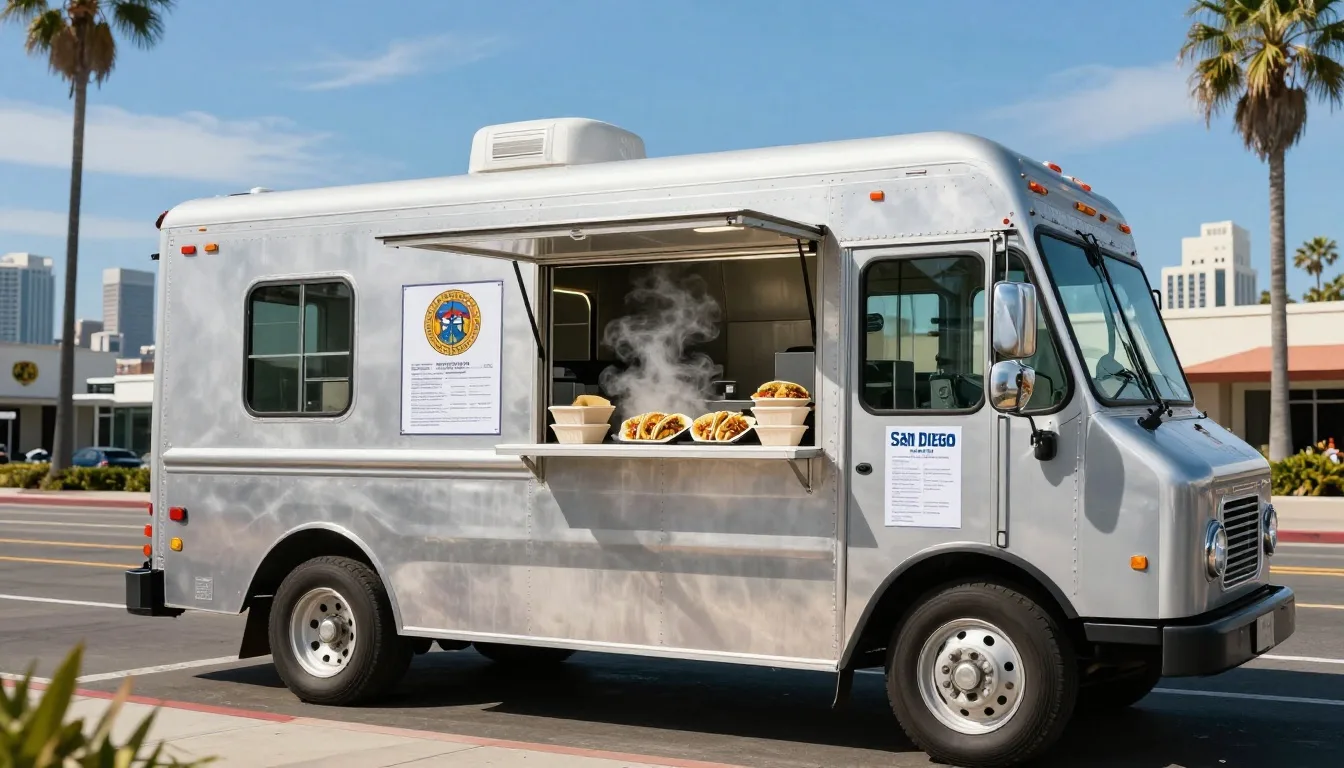
Navigating the San Diego Food Truck Permit Maze: Your Essential 2026 Compliance Guide
San Diego’s food scene buzzes with energy. Picture this: salty ocean air mixes with the sizzle of grilling carne asada. Food trucks roll in, turning simple parking lots into pop-up feasts. Folks flock to these mobile kitchens for quick bites that taste like summer. Yet, behind the fun lies a tangle of rules. Getting a food truck permit in San Diego, CA, feels like solving a puzzle. One wrong move, and your dream stalls. This guide cuts through the mess. It lays out every step to snag health, fire, and business permits. You’ll walk away ready to fire up your grill and join the action.
Section 1: Foundational Requirements Before Applying for Food Truck Permits in San Diego
You can’t jump straight into permit applications. First, build a solid base. These basics keep your food truck business legal from day one. Skip them, and you’ll hit roadblocks later. Think of this as prepping your truck’s engine before a long drive.
1. Business Structure and Registration Essentials
Start with your business setup. Pick a structure like sole proprietorship or LLC. It affects taxes and liability. Get an EIN from the IRS—it’s free and quick online. Next, grab a City of San Diego Business Tax Certificate. Head to the Treasurer’s office or apply via their website. This proves you’re official.
For LLCs, file with the California Secretary of State first. Their site has forms and fees around $70. Do this early. It unlocks other steps. Without it, no permits flow your way.
2. Commissary Kitchen Agreement: The Mandatory Home Base
Every food truck needs a commissary. This is your off-site kitchen for prep, storage, and cleaning. San Diego County rules demand one with a valid permit. Find a shared space or lease your own. It must have running water, grease traps, and waste removal.
Sign a written contract. It shows inspectors you have access. The commissary itself faces checks too. Expect fees for its permit, often $200 to $500 yearly. This spot keeps your truck sanitary between shifts. Hunt for ones near your vending areas to save time.
Real talk: One truck owner I know lost weeks without a solid agreement. His application bounced back. Now, he preps sauces at a North Park commissary and rolls out fresh daily.
3. Vehicle Compliance and Preparation
Your truck must meet strict standards. Check the VIN—it’s your ID. Ensure propane tanks pass certification from a pro. Refrigeration units need to hold temps below 41°F for cold foods. Hot holding? At least 135°F.
ADA rules apply too. Ramps or wide doors help if customers with disabilities visit. Get the vehicle inspected early. Fix issues like rusty floors or weak wiring. This avoids delays in later checks. A clean, safe rig impresses everyone.
Section 2: Health Department Approval: Securing the San Diego County Permit (HCP)
Health rules top the list. The County Department of Environmental Health (DEH) guards against foodborne illness. Their process tests your setup’s safety. Pass here, and you’re halfway home. Fail? Back to the drawing board.
1. Plan Check Submission and Mobile Food Facility (MFF) Packet
Kick off with the plan check. Submit blueprints of your truck’s layout. Include your menu and gear list. DEH reviews how you’ll handle food flow—from raw to cooked. Trucks differ from carts; trucks allow full kitchens, carts are simpler.
Expect to detail sinks, counters, and storage. Fees run $500 to $1,000 for new setups. Schedule a pre-meeting if you’re new. DEH staff offer tips. One operator shared how this chat shaved months off his wait. It’s like getting a sneak peek at the test.
2. Health Permit Inspection: Passing the Final Exam
Now comes the on-site visit. Inspectors scan for a three-compartment sink—one for wash, rinse, sanitize. Hot water must hit 120°F. They’ll check temp logs and pest barriers. No leaks, no clutter allowed.
Post-inspection, processing takes 4-6 weeks on average. In busy seasons, it stretches longer. Keep records handy. One truck passed by nailing handwashing stations. Mess that up, and redo the whole thing.
3. Ongoing Compliance and Food Safety Certifications
Don’t stop at approval. Hire a Certified Food Manager (CFM). They oversee safe practices. Get certified via a $100 course—it’s required. Face unannounced checks twice a year. Fines hit $250 for minor slips.
Train your team on basics like glove use. This keeps your permit active. Stays compliant, and you’ll avoid shutdowns. Think of it as insurance for your daily grind.
Section 3: Operational Permissions: City of San Diego Business and Zoning Permits
Health cleared? Time for city ops. These let you park and sell legally. Zoning bites hardest here. Wrong spot, and tickets pile up. Navigate smart to thrive.
1. Mobile Vending Permit vs. Business Tax Certificate
The Business Tax Certificate is your base—$34 yearly, renewed. It covers general ops. The Mobile Vending Permit adds specifics for streets. Apply through Development Services. It costs $200 plus.
They differ: tax cert is broad, vending permit pins your locations. Get both. Skip one, and enforcement nabs you. Many trucks layer these for smooth runs.
2. Navigating Location Restrictions and Zoning (The Biggest Challenge)
San Diego codes limit spots. Stay 150 feet from restaurants in some zones. Residential areas? Often off-limits. Business parks welcome trucks, but check signs.
Popular zones like Gaslamp Quarter draw crowds. Yet, competition fierce. Public parks need event approvals. One example: Trucks at Balboa Park events book months ahead. Read the municipal code online—it’s your map. Violate, and face $100 fines.
3. Parking, Noise, and Generator Regulations
Generators hum, but noise caps at 60 decibels after 10 p.m. Park overnight only in approved lots. No street blocking.
City codes ban idling over five minutes. Use quiet models to dodge complaints. Follow these, and neighbors stay happy. A quiet setup lets you focus on flipping burgers.
Section 4: Safety and Fire Marshal Sign-Off
Fire safety seals the deal. Insurers demand it. The San Diego Fire-Rescue Department (SDFRD) checks your setup. Flames in a truck? Disaster. Get this right early.
1. Propane and Gas System Certification
SDFRD eyes gas lines and tanks. Hire a licensed tech for the check. They’ll test for leaks and secure mounts. Ventilation hoods must vent outside.
Fees? About $150 per inspection. Pass, and get a tag good for a year. One truck skipped this—fire scare shut it down. Don’t risk it.
2. Fire Suppression System Requirements
Install a Type I hood over cookers. Add an ANSUL system—it auto-douses flames. Tag shows six-month service.
No shortcuts here. SDFRD verifies everything. Meet specs, and operate worry-free. It’s your shield against mishaps.
Section 5: Finalizing Your San Diego Food Truck Permit Application Checklist
Pull it all together now. This checklist streamlines your path. Follow it, and launch faster. Miss pieces, and delays drag on.
1. Required Documentation Summary List
Gather these must-haves:
- DEH approval letter for health permit.
- Fire Marshal clearance from SDFRD.
- Current vehicle registration and VIN proof.
- Business insurance binder—at least $1 million liability.
- Signed commissary contract.
- Menu and equipment blueprints.
- CFM certification copy.
Staple them neatly. Digital uploads speed things up.
2. Fees and Timeline Expectations
Expect $1,000 to $2,500 total. Health permit: $600. Business tax: $34. Fire check: $150. Vending permit: $200.
Timeline? 2-4 months from start to wheels up. Plan checks take 30 days. Inspections add weeks. Batch apps—submit health and fire together. This trims wait time. Track progress online via county portals.
Conclusion: Launching Your Successful San Diego Mobile Kitchen
San Diego’s market shines bright for food trucks. Tourists and locals crave variety. Hurdles exist, but clear them with know-how. The three pillars—health from DEH, business from the city, fire from SDFRD—form your foundation.
Stick to this guide, and you’ll roll out strong. Success brews from steady compliance. Fire up that grill. Your spot in America’s Finest City awaits. What’s your first menu item? Get permitted, and find out.