Food Truck Permit in Philadelphia, PA
Navigating the Philadelphia Food Truck Permit Maze: Your Complete 2026 Compliance Guide
Philadelphia’s food truck scene pulses with energy. Over 200 mobile vendors now roll through the streets each year, turning simple meals into city staples. Spots like Center City and University City buzz with lines of hungry folks craving quick bites from trucks parked near offices and campuses.
You might dream of firing up your grill on these busy corners. But that vision hits a wall without the right paperwork. Agencies like the Department of Licenses and Inspections (L&I) and the Department of Public Health (DPH) hold the keys. This guide cuts through the red tape. We’ll walk you through every step to get your food truck permit in Philadelphia, PA, so you can serve legally and thrive.
Section 1: Foundation: Understanding the Required Licenses and Permits
The Mobile Food Vending License (MFVL) – The Core Requirement
The MFVL acts as your main ticket to operate. L&I issues it after you prove your setup meets city rules. It lets you vend food from your truck in approved areas.
To apply, you need a registered business first. File with the Pennsylvania Department of State for that. Fees run about $300 to $500, depending on your truck size. Check the latest on the L&I site, as costs shift.
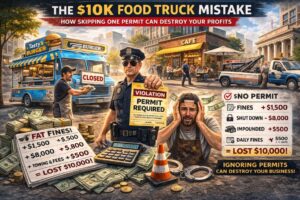
Without this license, you risk fines up to $1,000 per day. Many new owners overlook the business registration step. It delays everything if missing.
Health Department Approval: Food Establishment Operating License
DPH steps in because food safety matters. Every truck handling food needs their okay. They check if your operations follow health codes to keep customers safe.
Start with a plan review. Submit blueprints of your truck and prep area. DPH looks for proper sanitation and waste handling.
The commissary agreement ties into this. You must link up with an approved kitchen for storage and cleaning. This review often takes four to six weeks, so plan ahead.
Essential Supporting Documentation Checklist
Gather these papers early to speed things up.
- Proof of vehicle registration and inspection from PennDOT.
- Liability insurance certificate, at least $1 million coverage.
- Fire safety certificate from the Philadelphia Fire Department.
A clean driving record helps too. Background checks run about $25.
Secure your commissary deal first. It’s a common snag that halts applications. Call local commissaries listed on the DPH website for options.
Section 2: Vehicle and Operational Compliance: The Truck Itself
Commissary Kitchen Agreement: Where Preparation Meets Compliance
A commissary kitchen serves as your home base. Philadelphia requires it for all food trucks. You use it to store supplies, wash equipment, and dump waste.
The city wants it within 30 miles of your vending spots. It must pass DPH inspections for cleanliness. Find one with the right setup, like three-bay sinks and hot water.
Inspections happen before your truck does. Delays here push back your launch by months. Pick a busy commissary to avoid overcrowding issues.
Fire Safety Certification and Inspections
The Philadelphia Fire Department sets strict fire rules. Your truck needs an Ansul suppression system over cooking areas. Add ABC-rated extinguishers and mark them clearly.
Propane tanks must stay outside, secured and vented right. Gas lines require pro installation. PFD checks hood filters for grease buildup.
One truck owner got dinged for old cleaning logs. Keep records of monthly hood scrubs. It shows you maintain safety.
Vehicle Specifications and Health Code Standards
Your truck must have a three-compartment sink for washing. A separate handwashing station with soap and towels is key. Hot water heaters need to supply 120 degrees at least.
Refrigeration units keep cold foods below 41 degrees. Thermometers go in every unit. The health code bans wooden surfaces; use stainless steel instead.
Test everything before inspection day. A faulty sink can fail you on the spot. Upgrades cost $500 to $2,000, but they pay off in smooth approvals.
Section 3: Location, Location, Location: Navigating Vending Zones and Zoning Rules
Understanding Designated Vending Zones vs. General Street Vending
Designated zones let you park and sell without extra hassle. Think high-traffic spots like near Reading Terminal Market. General vending covers quieter streets, but rules tighten there.
Stay 20 feet from building doors and crosswalks. Keep 200 feet away from sit-down restaurants. Violate this, and police ticket you fast.
Zones fill up quick. Apply early through L&I for a spot. Maps on the city portal show open areas.
Parking Regulations and Meter Enforcement for Food Trucks
You can use metered spots, but feed the meter like anyone else. No blocking loading zones or fire hydrants. Time limits cap at two hours in most places.
Enforcement ramps up during rush hours. Towing fees hit $200 plus. Park parallel to curbs and angle right.
Use the city’s vending map app. It highlights legal corridors in real time. Save headaches by scouting spots ahead.
Private Property Vending and Event Permits
For private lots, get the owner’s written okay. Submit it with your application. They might charge rent, around $50 a day.
Events like festivals need temporary permits from the special events office. Apply 30 days out. Fees start at $100, plus insurance proof.
One truck scored big at a block party with owner permission. It built loyal fans. Always confirm boundaries to avoid disputes.
Section 4: The Application Submission and Inspection Workflow
Step-by-Step Guide to Submitting the MFVL Application
Head to the L&I online portal first. Upload your docs there. If stuck, visit the Municipal Services Building in person.
Double-check everything. Missing insurance means rejection. Processing takes 4-8 weeks.
Pay the fee online with card. Track status via email updates. Call if no word after two weeks.
Preparing for the Dual Inspection Process (L&I and DPH)
L&I approves first, then DPH inspects. Schedule your truck’s check at a commissary. Have staff on hand to demo operations.
Keep logs for temps and cleaning visible. Test sinks and fridges that day. Inspectors note even small issues.
Pass rates hover at 70%. Fix fails quick; re-inspect costs extra. Practice runs help a lot.
Renewal Requirements and Staying Compliant Annually
MFVL renews yearly by March 31. Health license follows suit in June. Fees drop to $200 each.
Update staff food safety certs. Philly requires ServSafe for handlers. Miss it, and you lose your permit.
Annual truck checks keep you legal. Budget $300 for renewals. Compliance avoids surprise shutdowns.
Conclusion: Launching Your Philadelphia Food Truck Successfully
Three big hurdles stand out: nailing commissary approval, acing fire safety checks, and sticking to zoning rules. Skip them, and fines pile up fast—thousands in some cases. Get them right, though, and your truck rolls smooth.
Strict compliance shields your business. It stops shutdowns and builds trust with customers. Once permitted, you join Philly’s lively food scene.
Picture your truck drawing crowds on a sunny afternoon. That first legal sale tastes sweet. Grab your docs, apply today, and start serving up success in the City of Brotherly Love.