Sidewalk Vending Permit in San Diego, CA
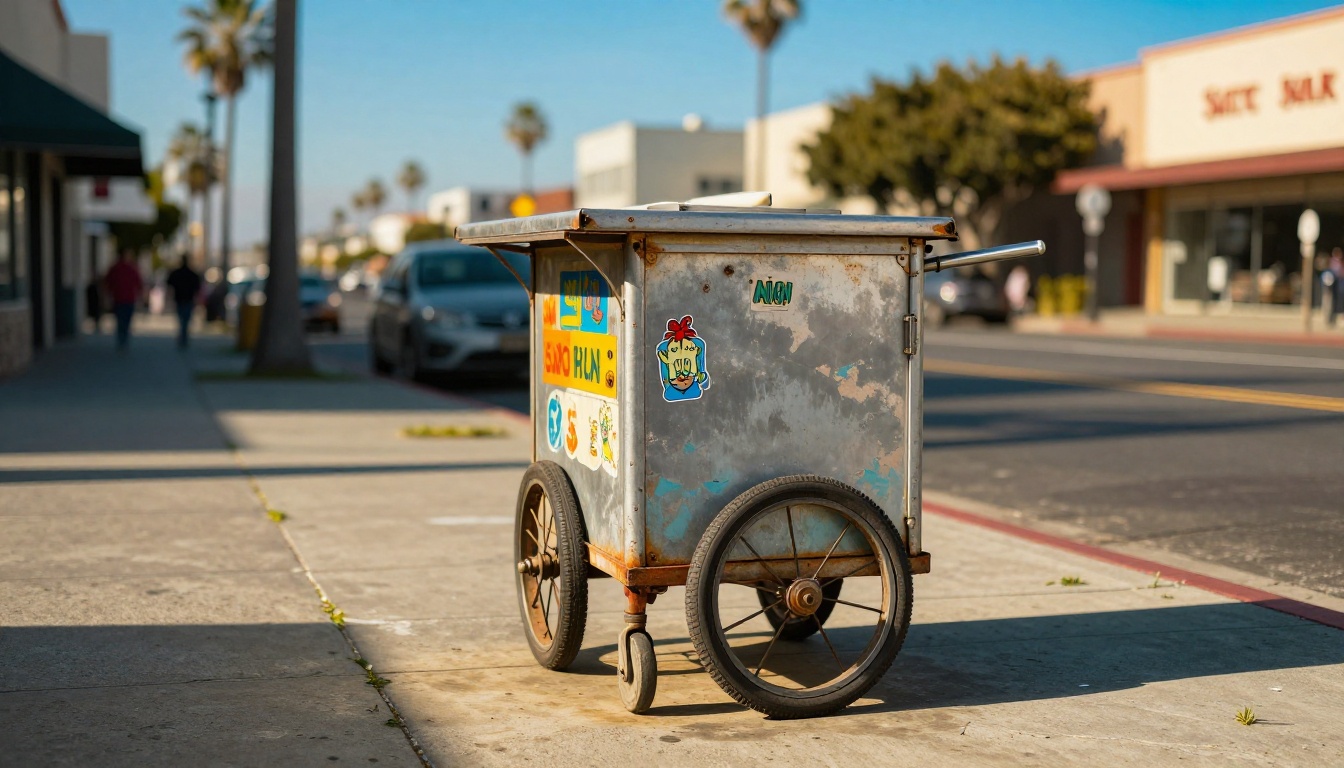
Securing Your Sidewalk Vending Permit in San Diego, CA: A Comprehensive Guide
San Diego’s streets buzz with the sizzle of tacos and the sparkle of handmade jewelry. Street vending has exploded here, drawing crowds to beaches and neighborhoods alike. You can turn a passion for food or crafts into steady cash if you play by the rules.
This boom brings big chances for small business owners. Yet, without the right permits, you risk hefty fines or shutdowns that kill your vibe. Let’s walk through how to get your sidewalk vending permit in San Diego, from old strict rules to today’s clearer path.
Understanding San Diego’s Sidewalk Vending Ordinance (SDMC Chapter 3.40)
San Diego’s rules for sidewalk vending come from the San Diego Municipal Code, Chapter 3.40. This sets the stage for who can sell what and where. It keeps sidewalks safe and fair for everyone.
The ordinance shifted from tight bans to a system that welcomes vendors with structure. Now, you can operate legally if you follow the steps. This change opened doors for food trucks and stalls across the city.
Who Needs a Sidewalk Vending Permit?
You need a permit if you sell goods or food on public sidewalks. The city calls you a “sidewalk vendor” if you set up a cart, stand, or bike to hawk items. This covers everyone from hot dog sellers to souvenir makers.
Food vendors face extra hurdles. They must grab health permits on top of the city one. Merchandise vendors skip that but still need the basic permit to stay legit.
Think of it like this: the permit is your entry ticket, but food sales demand a full health check too.
Key Zones and Location Restrictions
Not every spot works for vending. The city bans setups within 200 feet of schools or parks during events. High-touristy zones like Gaslamp Quarter often stay off-limits to avoid crowds.
Check the city’s zone map online for green-light areas. Some spots near beaches allow carts, but residential streets might block them. Stay clear of bus stops or fire hydrants by at least five feet.
These rules protect foot traffic and local shops. Ignore them, and you could face quick eviction.
Operational Requirements and Time Limits
Set up fast and pack up quicker. You get 30 minutes to assemble your cart and the same to break it down. Operating hours run from 7 a.m. to 10 p.m., but check local tweaks.
Keep sidewalks open for wheelchairs. Your setup can’t block more than half the walk space. Use signs that don’t dangle or trip folks.
Follow these to blend in without hassle. It’s like being a polite guest at a block party.
Step-by-Step Guide to Obtaining Your San Diego Vending Permit
Getting your permit starts with the Development Services Department. They handle applications through an online portal. Expect a few weeks for processing if your paperwork shines.
This guide breaks it down so you avoid common snags. Gather what you need first to speed things up. Once approved, you’re ready to roll.
Initial Application and Required Documentation
Head to the DSD website to start your sidewalk vending permit application. You’ll need ID like a driver’s license or passport. If you run a business, include your license number.
Zoning checks come next. Prove your spot fits city rules with a site plan sketch. Insurance proof covers liability, often $1 million minimum.
Tip: Scan all docs into PDFs before applying. This saves trips to city hall. Double-check for completeness to dodge delays.
Background Checks and Fees Structure
The city runs a background check on you. It looks for criminal history tied to vending or fraud. Clean records sail through; issues might need appeals.
Fees add up quick. The application costs around $100, with annual renewals at $300 or so. For the latest numbers, hit the DSD portal since rates shift.
Pay online with a card. Budget extra for health fees if you’re selling eats. This step weeds out risks and funds the program.
The Role of the City Planner and Final Approval
After you submit, a planner reviews your file. They might visit your planned spot to confirm it’s kosher. Questions? They email you for fixes.
Approval lands in 30 to 60 days if all checks out. You’ll get a digital permit to print and carry. It lists your zones and rules.
Frame it as your badge of honor. Now, vend with confidence.
Special Requirements for Food Vendors: Health Department Compliance
Food vending amps up the stakes. Your city permit is just the start. County health rules ensure safe eats for hungry beachgoers.
Skip these, and inspectors shut you down fast. Layer on the health permit for full protection. It’s worth the extra effort for tasty success.
San Diego County Environmental Health Services (EH&S) Requirements
EH&S oversees food carts and booths. You need a health permit after plan review. Submit blueprints of your setup, showing sinks and fridges.
Handwashing stations are must-haves. Keep hot foods above 135°F and cold below 41°F. Inspectors often flag missing thermometers or dirty surfaces.
One common bust: no grease trap on carts. Fix that early to pass your first check. Safe food builds trust with customers.
Commissary Agreement Documentation
A commissary is your off-site kitchen base. You must sign an agreement with a licensed one for prep and storage. This keeps public health in check.
The deal spells out access times and cleaning duties. EH&S verifies it during your permit push. Without it, no health okay.
It’s like having a home base for your mobile kitchen. Choose one close to cut travel time.
Maintaining Compliance: Inspections, Renewals, and Avoiding Penalties
Permits aren’t set-it-and-forget-it. Regular checks keep you on track. Stay sharp to dodge trouble down the line.
Inspections pop up unannounced. Renew on time, and build good habits. This sustains your spot in San Diego’s lively scene.
Permit Renewal Schedule and Process
Renew your city permit each year before it expires. Apply online three months early to beat the rush. Update any changes like new zones.
Fees match the original, so save up. EH&S renewals for food follow suit annually. Set phone alerts to stay ahead.
Miss it, and you operate illegal. Renewals confirm you’re still rule-ready.
Understanding Enforcement and Citations
Cops and code officers patrol for violations. No permit means a $250 fine first time, up to $1,000 later. They can seize your cart too.
Zoning slips trigger warnings, then tickets. Pay fines quick to avoid court. Repeat issues revoke your permit.
Know the signs: stay put in allowed areas. Enforcement keeps the streets fair for all vendors.
Best Practices for Positive Community Relations
Clean up after every shift. Bag trash and sweep your spot. Quiet carts avoid noise beefs with neighbors.
Chat with locals to build goodwill. Offer samples or discounts to win smiles. A clean, friendly setup cuts complaints.
Waste bins nearby help too. Think of neighbors as your silent partners in success.
Conclusion: Your Roadmap to Legitimate Sidewalk Vending Success in San Diego
Navigating permits across city and county desks is the main challenge. But once cleared, you gain a solid business base free from fear. San Diego’s vending scene rewards the prepared.
Key steps: Apply with full docs, ace health rules if selling food, and renew yearly. Check municipal codes often, as council votes can tweak them. Your checklist: ID ready? Zones mapped? Commissary signed?
Start today—grab that application and hit the streets legally. Your first sale waits just a permit away.