Food Truck Permit in Anaheim, CA
Food Truck Permit in Anaheim, CA: A Comprehensive Guide
Starting a food truck business in Anaheim, California, can be an exciting venture, but it involves navigating local regulations to operate legally. Obtaining a food truck permit is crucial, and this guide will walk you through the essential steps, requirements, and best practices for securing your permit and getting started in the vibrant food truck scene of Anaheim.
Understanding Food Truck Permits
A food truck permit is a legal authorization that allows you to sell food from a mobile vehicle in specific locations. Each city has its own regulations, and it’s important to understand the requirements unique to Anaheim. Permits help ensure food safety standards are met and that local laws are followed, making it imperative for food truck operators to stay compliant.
Why You Need a Food Truck Permit
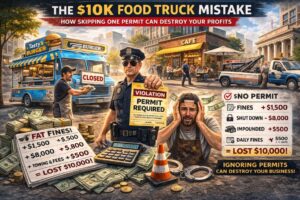
Operating a food truck without the proper permits can lead to hefty fines, business closures, and legal complications. The permit legitimizes your business and protects both you and your customers. By obtaining a food truck permit, you can avoid unnecessary hassles and focus on serving delicious food to your patrons.
Types of Permits Required in Anaheim
When starting your food truck business in Anaheim, you will need several permits:
1. Business License
Before applying for a food truck permit, you must first acquire a business license from the City of Anaheim. This license allows you to legally operate a business within city limits and must be renewed annually.
2. Health Permit
A health permit is essential for any food-related establishment, including food trucks. This permit ensures that you meet the health and safety standards set by the Orange County Health Care Agency. You must pass an inspection of your food truck and agree to follow strict health regulations regarding food handling, preparation, and storage.
3. Mobile Food Vendor Permit
In Anaheim, you’ll also need a Mobile Food Vendor Permit. This specific permit allows you to operate a food truck on public streets and at special events. To obtain this permit, you may need to provide proof of your business license, health permit, and insurance.
4. Parking Permit
If you plan to park your food truck in specific locations, such as city parks or other public areas, you may also need a parking permit. This permits ensures you have the right to operate in those designated spots without facing legal issues.
Steps to Obtain Your Food Truck Permit
Now that you’re aware of the necessary permits, let’s delve into the steps you need to take to obtain them.
Step 1: Research Local Regulations
Before starting the application process, thoroughly research the food truck regulations in Anaheim. Familiarize yourself with the city’s zoning laws, as certain areas may have restrictions on food truck operations.
Step 2: Prepare Your Business Plan
A solid business plan will guide you through the essential aspects of your food truck venture. This plan should include:
- Menu Options: Outline the types of food you plan to serve.
- Target Market: Identify your target audience and ideal locations.
- Costs and Financing: Estimate your startup costs and how you intend to finance your food truck.
Step 3: Obtain Your Business License
Visit the City of Anaheim’s Business License Division to apply for your business license. The application process can typically be done online, but ensure you have all required documentation handy, including tax identification numbers and business entity information.
Step 4: Pass Health & Safety Inspections
Once you have your business license, contact the Orange County Health Care Agency to book an inspection of your food truck. Ensure you comply with all health and safety regulations, including maintaining proper food storage temperatures and cleanliness. Passing this inspection is essential for obtaining your health permit.
Step 5: Apply for the Mobile Food Vendor Permit
With your business and health permits secured, you can now apply for your Mobile Food Vendor Permit through the City of Anaheim’s Planning Department. Complete the necessary forms and pay any associated fees.
Step 6: Secure Liability Insurance
Most permits will require you to have liability insurance before you can operate legally. Check with your insurance provider to ensure you have adequate coverage that meets the city’s requirements.
Step 7: Obtain Any Additional Permits
Depending on your proposed locations, you may need additional permits, such as a parking permit. Research and apply for any additional permissions you may need.
Best Practices for Food Truck Operations
Once you have your permits in hand, it’s time to make your food truck business a success. Here are some best practices to consider:
1. Maintain Cleanliness and Safety
Always prioritize food safety and cleanliness in your food truck to ensure you meet health and safety standards. Regularly inspect your equipment and maintain a clean work environment.
2. Market Your Business
Effective marketing is essential to attract customers. Use social media platforms to engage with your audience, share your location, and showcase your delicious offerings. Consider creating a website to provide customers with up-to-date information about your business.
3. Stay Flexible
Be prepared to adapt your menu and operations based on customer preferences and seasonal changes. Flexibility can help you stay relevant in the competitive food truck market.
4. Build Relationships with Local Communities
Engage with the community by participating in local events, farmers’ markets, and food festivals. Building relationships with fellow vendors and event organizers can lead to increased visibility and business opportunities.
Challenges You Might Encounter
Running a food truck in Anaheim comes with its own set of challenges. Here are a few common ones:
1. Local Competition
With many food trucks operating in Anaheim, you’ll face competition for customers. Differentiate yourself by offering unique menu items, exceptional customer service, and a memorable brand experience.
2. Compliance with Regulations
Staying compliant with city regulations and health codes can be overwhelming, especially for new business owners. Dedicate time to familiarize yourself with local laws and seek assistance if you run into bureaucratic challenges.
3. Weather Conditions
As a mobile food business, you must consider how different weather conditions can impact your operations. Be prepared to adapt to these changes and have contingency plans in place for inclement weather.
Conclusion
Navigating the process of obtaining a food truck permit in Anaheim, CA, can seem daunting, but with careful planning and research, you’ll be on your way to serving delicious food to eager customers. Ensure you understand the local regulations, follow the necessary steps, and maintain best practices in your operations. With dedication and a passion for food, your food truck can thrive in the lively culinary landscape of Anaheim. Good luck on your shared culinary journey!