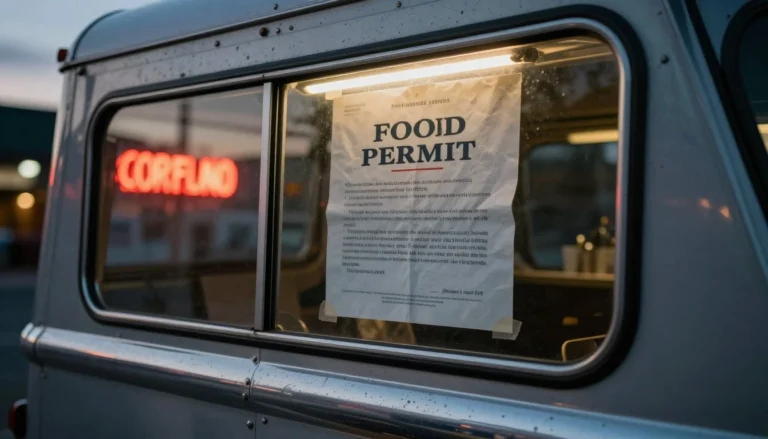
Food Truck Permit in Cincinnati, OH
Navigating the Food Truck Permit Process in Cincinnati, OH
Operating a food truck in Cincinnati, Ohio, can be a rewarding venture for culinary entrepreneurs and food enthusiasts alike. However, before hitting the streets and serving delicious meals to eager customers, it is essential to understand the requirements for obtaining a food truck permit in this vibrant city. This article will provide a comprehensive guide on securing the necessary permits, covering everything from local regulations to health codes.
Understanding Food Truck Regulations in Cincinnati
Before diving into the permit application process, it’s important to familiarize yourself with the key regulations governing food trucks in Cincinnati. The city has specific rules that dictate where food trucks can operate, when they can serve customers, and the types of food they are permitted to offer. Understanding these regulations will help streamline your permit application process.
Cincinnati requires food truck operators to adhere to zoning regulations, ensuring that food trucks do not obstruct sidewalks or pedestrian traffic. Additionally, certain areas, like public parks or private properties, may have distinct rules. Therefore, checking zoning maps and local ordinances is crucial before seeking a permit.
Types of Permits Required for Food Trucks
In Cincinnati, several permits may be required to operate a food truck legally. These include:
1. Mobile Food Vendor License
The most fundamental permit is the Mobile Food Vendor License. This license is mandatory for all food truck operators and is issued by the Cincinnati Health Department. It ensures that food trucks meet health and safety regulations while preparing and serving food to the public.
2. Food Service License
In addition to the mobile vendor license, owners must obtain a Food Service License from the Ohio Department of Agriculture. This license is required for all establishments serving food, ensuring compliance with state health regulations.
3. Temporary Use Permits
If you plan to operate in specific areas or during special events, a Temporary Use Permit may be necessary. This type of permit allows food trucks to participate in festivals, fairs, markets, and other temporary gatherings where food vendors are welcomed.
4. Business License
Lastly, a general business license is typically required in Cincinnati, which applies to all business types, including food trucks. This license can often be obtained through the Cincinnati Business Services or similar municipal departments.
Step-by-Step Guide to Obtaining Your Food Truck Permit
To successfully obtain your food truck permit in Cincinnati, follow these structured steps:
Step 1: Research Local Regulations
Begin by researching local regulations associated with operating a food truck in Cincinnati. The Cincinnati Health Department website provides comprehensive resources about the required permits, health regulations, and safety standards.
Step 2: Prepare Your Food Truck
Ensure that your food truck meets all necessary health and safety standards. This includes having proper food storage facilities, equipment, and sanitation measures in place. Having your truck inspected before applying for permits can save time down the road.
Step 3: Apply for Necessary Licenses
Prepare your applications for the Mobile Food Vendor License and the Food Service License. You will need to provide details such as:
- Your name and contact information
- The location of your food truck
- A description of the food you’ll be serving
- Proof of insurance
- Vehicle specifications
Make sure to gather and prepare all required documentation to accompany your applications.
Step 4: Schedule Inspections
Once your applications are submitted, you may need to schedule inspections with the Cincinnati Health Department. These inspections will determine if your food truck meets health and safety standards. Be prepared to address any issues that arise during the inspection process.
Step 5: Obtain Liability Insurance
Most permits will require proof of liability insurance. This insurance is critical for protecting your business from potential lawsuits, accidents, or other unexpected incidents. Ensure you have the necessary coverage before proceeding.
Step 6: Completed Permits and Licenses
After passing the inspections and securing the necessary licenses, make sure you have all documentation prepared for display on your food truck. It is common practice to have permits readily available for customers or city officials to view upon request.
Operating Your Food Truck Legally
Once you’ve obtained your permits, it’s time to operate your food truck legally. However, being compliant does not stop here; you need to stay informed about changes to regulations and maintain your licensing status.
Monitoring Compliance
As a food truck owner, it’s your responsibility to stay compliant with Cincinnati’s regulations. This includes keeping up-to-date with health codes, permit renewals, and any changes in local ordinances affecting food trucks.
Renewing Licenses
Most permits and licenses are issued for a specific period, so it’s crucial to keep track of their expiration dates. Implementing a renewal strategy ensures you can continue to operate without interruption.
Customer Relations and Marketing
Once you’re up and running, don’t overlook the importance of solid customer relations. Engage with your patrons through social media and other marketing strategies. Being active in the local community can boost visibility and attract new customers to your food truck.
Special Considerations for Food Truck Owners
In addition to the permits and licenses outlined, aspiring food truck owners should also consider the following:
Seasonal Operation
Cincinnati experiences varying weather conditions throughout the year. Researching the best season to launch your food truck or focusing on seasonal menus can help enhance your success.
Collaborating with Local Businesses
Building relationships with local businesses can open up opportunities for partnerships, special events, and cross-promotion. Networking within the food truck community is also essential for sharing best practices and gaining insights.
Sustainability Efforts
Being environmentally conscious can resonate with your customer base. Implementing sustainable practices, such as using compostable packaging or sourcing ingredients locally, can enhance your brand image.
Conclusion
Launching a food truck in Cincinnati, OH, is an exciting prospect that comes with its own unique requirements and challenges. By understanding the local regulations and obtaining the proper permits, you can set yourself up for success in this competitive industry. Stay informed, adhere to health and safety guidelines, and engage with your community to both thrive and enjoy the rewarding experience of serving great food from your mobile kitchen.
For further information, consider reaching out to local municipal offices or food truck associations. Connecting with other food truck owners can provide valuable insights and foster collaborations that can benefit your venture. Good luck, and happy cooking!