Food Truck Permit in Garland, TX
Food Truck Permit in Garland, TX: A Comprehensive Guide
Starting a food truck business can be an exciting venture, especially in a thriving city like Garland, Texas. With its vibrant community and bustling neighborhoods, food trucks are becoming an increasingly popular choice for entrepreneurs and food lovers alike. However, before hitting the road, it’s crucial to understand the various permits and regulations necessary to operate legally in Garland. This guide provides an in-depth overview of the food truck permit process in Garland, TX.
Understanding Local Regulations
Every city has its own set of regulations regarding food service businesses, and Garland is no exception. To operate a food truck, you must comply with both state and local laws. Familiarizing yourself with these regulations will save you time and effort in securing the necessary permits.
Types of Permits Required
- Business License: Before you can apply for a food truck permit, you’ll need to obtain a general business license from the City of Garland. This license legitimizes your operation and is often required for all types of businesses.
- Health Permit: Food trucks must also secure a health permit, which is issued after an inspection by the local Health Department. This ensures that your food preparation and handling practices meet health and safety standards.
- Food Establishment Permit: In addition to a health permit, you will need a food establishment permit specifically for mobile food vendors. This permit focuses on the unique aspects of operating from a vehicle.
- Vehicle Registration: Your food truck must be registered with the Texas Department of Motor Vehicles and comply with local vehicle regulations. This includes ensuring that your vehicle is in good working condition and meets safety standards.
Zoning and Site Requirements
Garland has specific zoning ordinances that dictate where food trucks can operate. It’s essential to familiarize yourself with these regulations before setting up shop. Generally, food trucks are allowed to operate in commercial zones, but you should verify the specific locations permitted by the city.
The Application Process
Step 1: Gather Necessary Documents
Before applying for your food truck permits, gather all required documents. These typically include:
- Proof of business registration
- Insurance documents
- Vehicle registration and inspection reports
- Menu and food safety plan
- Employee health certifications (if applicable)
Step 2: Submit Your Application
Once you have all necessary documents, you can submit your application to the appropriate city departments. Be prepared to pay any associated fees, as these can vary depending on the type of permit and the specifics of your operation.
Step 3: Inspect Your Food Truck
After your application is submitted, inspectors from the Health Department will evaluate your food truck. They will check for compliance with health and safety standards, ensuring that food is stored, prepared, and served in a sanitary manner. It’s important to prepare your truck for inspection thoroughly, as any violations can delay your permit approval.
Step 4: Await Approval
After passing the inspection, you will receive your food truck permits. The timeline for approval can vary, so it’s a good idea to apply well in advance of your intended launch date.
Costs Associated with Permits
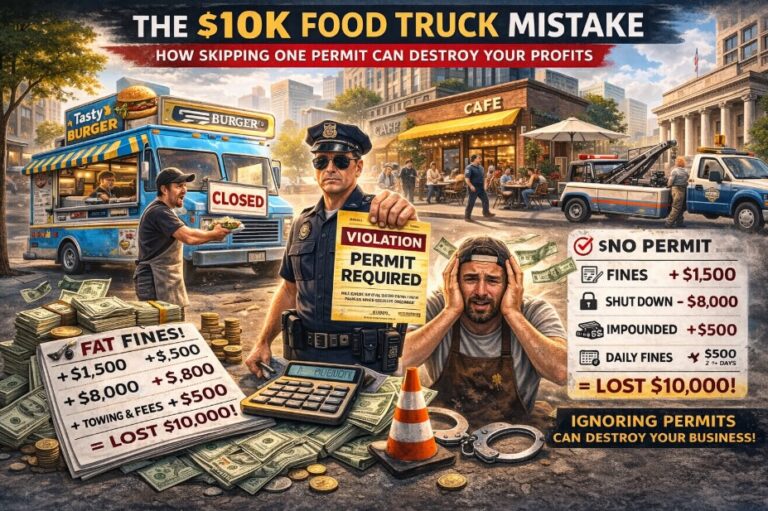
Starting a food truck business involves various costs, and understanding the financial implications of permits is crucial. In Garland, the fees can range from a few hundred to several thousand dollars, depending on the types of permits required. Make sure to budget accordingly and factor in these costs when planning your investment.
Insurance Requirements
Obtaining the right insurance for your food truck is vital. General liability insurance is a must-have to protect your business from unforeseen incidents, such as foodborne illnesses or accidents. Additionally, consider getting commercial auto insurance to cover your vehicle specifically, along with property insurance for any equipment or supplies on board.
Importance of Food Truck Insurance
Having adequate insurance is not only a regulatory requirement but also a good business practice. It safeguards your investment while ensuring peace of mind as you navigate the complexities of running a food truck. Speak to an insurance agent familiar with the food service industry to find the best coverage options for your needs.
Finding the Right Location
In the food truck industry, location can make or break your business. Conduct research to identify high-traffic areas in Garland where food trucks are permitted to park and serve customers. Popular areas often include:
- Local festivals and events
- Parks and recreation areas
- Business districts
- Near colleges and universities
Strategies for Location Sourcing
- Social Media: Utilize platforms like Facebook and Instagram to announce your location, attract customers, and build a following.
- Networking: Connect with local event organizers, business owners, and other food truck operators who can provide insights and opportunities for collaboration.
- Community Engagement: Participate in local events or farmers’ markets to increase visibility and gain loyal customers.
Marketing Your Food Truck
Once you’ve secured your permits and chosen your location, it’s time to start marketing your food truck. An effective marketing strategy is crucial for attracting customers and establishing your brand.
Online Presence
Create social media profiles and a website to showcase your menu, share your story, and engage with your audience. Platforms like Instagram and Facebook are ideal for sharing enticing photos of your food and announcing special events or locations.
Collaborations
Partner with other local businesses or food trucks to host events or promotions. Collaborations can broaden your reach and introduce your food truck to new audiences.
Conclusion
Starting a food truck business in Garland, TX, can be a rewarding venture if you navigate the necessary permits and regulations thoughtfully. From obtaining the correct licenses to finding the perfect location and marketing your offerings, careful planning will set you up for success. Remember to engage with your local community and build relationships that will support your growth in this dynamic industry.
With the right approach, your food truck can become a beloved part of the Garland culinary scene, bringing delicious food and unique flavors to the local populace. Good luck on your journey as an entrepreneur!