
Sidewalk Vending Permit in San Antonio, TX
Securing Your San Antonio Sidewalk Vending Permit: A Comprehensive 2026 Guide
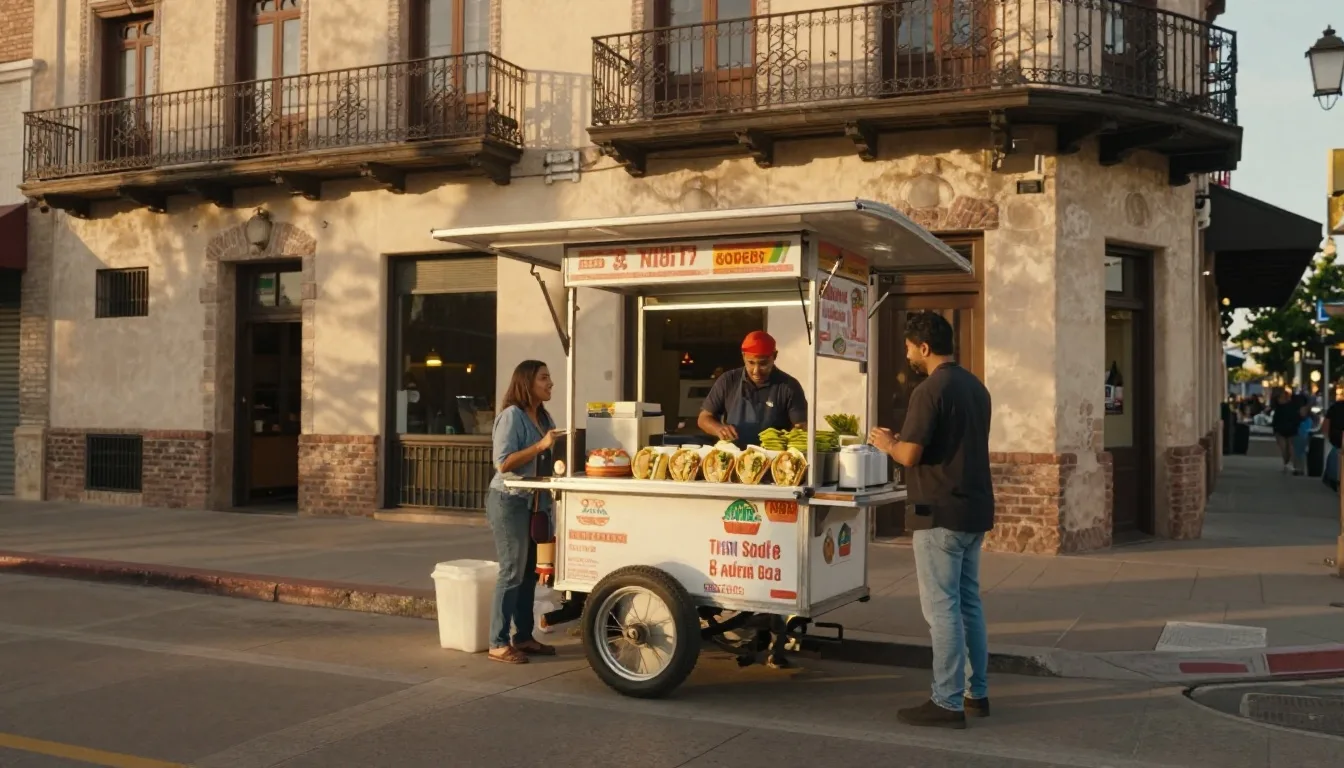
San Antonio’s streets pulse with life, from sizzling food carts serving up barbacoa to artists hawking colorful prints. This street scene pumps over $500 million into the local economy each year, drawing tourists and locals alike. The city backs small businesses with rules that keep things fair and safe, turning casual sellers into thriving vendors.
You need the official San Antonio sidewalk vending permit to join in legally. Without it, you risk fines or shutdowns. This guide walks you through every step, from paperwork to fees and rules, so you can set up shop on public sidewalks without hassle.
Understanding the San Antonio Vending Ordinance Landscape
San Antonio updated its vending rules in recent years to balance growth with public safety. The ordinances stem from city code Chapter 11, which covers sidewalk use. These laws shifted from total bans to structured permits, letting vendors operate in approved spots.
Back in 2021, the city eased restrictions after community pushback. Now, in 2026, the focus stays on clear zones and health checks. Knowing this base helps you avoid surprises during setup.
Defining Sidewalk Vending Categories
Sidewalk vending splits into food and non-food types. Mobile food vendors sell eats like hot dogs or ice cream from carts. General merchandise covers items such as jewelry or T-shirts from stands.
Temporary setups last under 30 days, often for events. Permanent ones run year-round in fixed spots. Only mobile and stationary sidewalk carts need the full San Antonio sidewalk vending permit; pop-up markets might use event licenses instead.
Food vendors face extra health rules, while merchandise sellers focus on space limits. Pick your category early to match the right permit type.
Key Regulatory Zones and Restrictions
High-traffic areas like the River Walk draw crowds but come with tight rules. You can’t vend within 10 feet of building entrances or crosswalks there. Alamo Plaza bans carts to protect historic views.
Downtown cores allow vending in marked zones, but residential neighborhoods limit it to weekends. Check the city’s interactive map for green-light spots. Setbacks keep paths clear—five feet from curbs in most places.
These zones prevent clutter and ensure foot traffic flows. Violate them, and your permit gets flagged fast.
Legal Ramifications of Operating Without a Permit
Skip the permit, and city code enforcement hits hard. Fines start at $250 for first offenses, climbing to $2,000 for repeats. Officers can seize your cart and goods right on site.
In 2025 alone, San Antonio issued over 300 citations for unlicensed vending. Confiscated items often end up auctioned off. Court dates follow big busts, tying up your time and cash.
These penalties protect permitted vendors from unfair competition. Pay up front to stay in business.
Pre-Application Essentials: Preparing for a Successful Permit Submission
Gather your ducks in a row before hitting submit. Rushed apps lead to rejections and delays. Focus on basics like ID and insurance to smooth the path.
This prep stage saves weeks. Think of it as building a strong foundation for your vending dream.
Business Structure and Documentation Checklist
Start with your business setup. If you’re a sole owner, get an EIN from the IRS—it’s free and quick online. Larger ops need a state business license from the Texas Secretary of State.
Proof of liability insurance is key; aim for at least $100,000 coverage per incident. Upload your policy details. For food, add a health permit from Metro Health.
- EIN or business ID number
- Sales tax permit from Texas Comptroller
- Photo ID for all operators
- Site sketch showing your cart placement
Double-check everything matches city forms. Missing pieces mean instant denial.
Health Department Clearance for Food Vendors
Food carts demand strict health nods. Secure a Food Establishment Permit from the City-County Health District. This includes a commissary agreement—a kitchen base for prep and storage.
Inspections check your setup for sinks, refrigeration, and fire safety. Records from past commissary visits prove compliance. Fees run about $200 initially.
Parallel this with your sidewalk permit app. Delays here block the whole process. Fresh vendors often partner with local kitchens for easy access.
Identifying Your Vending Location and Securing Approvals
Pin down your spot using the Development Services map tool. It highlights allowed zones in red and green. Avoid no-go areas like school zones or busy intersections.
Public sidewalks need no owner consent, but adjacent private lots do. Get written okay from the property boss if your cart touches their edge. Snap photos of the site for your file.
Test the area on foot—watch foot traffic peaks. A good spot boosts sales without rule breaks.
The Step-by-Step Permit Application Process
The city handles apps through its online system. Head to the Development Services portal for starters. Paper forms work too, but digital speeds things up.
Follow these steps to nail it. Patience pays off here.
Navigating the Online Application Portal
Create an account on the San Antonio COSA21 site. It’s simple—email, password, and basic info. Log in and search for “sidewalk vending permit.”
Upload scans of your docs: insurance, health permit, site map. Describe your cart type and menu if food-related. Initial review happens within days.
Pay the app fee upfront—$50 non-refundable. Track status in your dashboard. Call 210-207-1111 for glitches.
Permit Fees and Associated Costs in San Antonio
Fees stay steady in 2026, per the latest city schedule. Annual permits cost $150 for non-food, $250 for food units. Multi-year options save 10%—two years at $270 for basics.
Add-ons like extra carts bump it to $100 each. Health inspections tack on $75. Check the official fee schedule for updates.
Budget for renewals too. Hidden costs include signage—$20 for permit placards.
The Review and Approval Timeline
Apps take 4-6 weeks for full approval. Health checks add another 10 days for food folks. Status updates ping your email.
If over 45 days, follow up via portal chat or phone. Common holds: missing insurance or zone errors. Approved permits arrive by mail with a unique ID.
Rush options exist for events—$100 extra shaves two weeks. Plan ahead for peak seasons like Fiesta.
Compliance, Inspections, and Maintaining Your Sidewalk Vending Permit
Permits aren’t set-it-and-forget-it. Ongoing checks keep you legal. Slips lead to warnings or pulls.
Stay vigilant to build a solid rep. Vendors who follow rules last longer.
Required Operational Standards and Vendor Identification
Display your permit placard front and center on the cart. It must show your ID number clearly. Signage can’t block views or hang over sidewalks.
Operate only during set hours—7 a.m. to 10 p.m. in commercial zones. ID badges for all staff; no minors under 16. Carts max 32 square feet.
Inspections pop up quarterly. Fix issues on the spot to pass.
Waste Management and Site Cleanliness Protocols
Pack your own trash bins—city ones are off-limits. Dispose of waste at approved spots, not sewers. Food vendors handle grey water through commissary hookups only.
Clean your site spotless after each shift. Sweep debris 10 feet around. Fines hit $100 for litter violations.
Common pitfalls: Overflowing bins draw complaints. Use biodegradable bags to ease disposal.
Permit Renewal Procedures and Deadlines
Renew 60 days before expiration—annual cycle from issue date. Log back into the portal and update docs. Fees match originals, minus app charge.
Expired permits mean $500 fines and 30-day bans. Auto-reminders help, but set your calendar. Lapsed ops lose your spot to waitlisters.
Streamline with digital uploads. Approved renewals keep you rolling without downtime.
Conclusion: Your Path to Successful Vending in San Antonio
Nail location checks, full docs, and health rules to thrive. These steps turn hurdles into smooth sails. Legal vending unlocks San Antonio’s vibrant market.
Join the ranks of street sellers fueling the city’s spirit. Your cart could be the next hit.
Visit the City of San Antonio portal for fresh forms and fees. Start your app today and hit the sidewalks soon.