Sidewalk Vending Permit Process in Tulsa, OK
Navigating the Sidewalk Vending Permit Process in Tulsa, OK
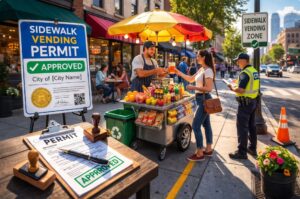
Sidewalk vending is an entrepreneurial venture that has gained significant popularity in urban areas across the United States, allowing individuals to sell goods and services directly to the public. In Tulsa, Oklahoma, as in many cities, sidewalk vending is subject to specific regulations aimed at ensuring safety, accessibility, and fairness in the marketplace. This guide provides an overview of the sidewalk vending permit process in Tulsa, highlighting key considerations, requirements, and tips for prospective vendors.
Understanding Sidewalk Vending in Tulsa
Sidewalk vending incorporates a wide range of activities, from food carts and mobile coffee stands to art displays and handmade goods sales. The City of Tulsa recognizes the importance of this type of commerce for fostering local entrepreneurship and enhancing community engagement. However, to operate legally, vendors must navigate through the appropriate permitting processes established by the city.
Why a Permit is Necessary
Obtaining a sidewalk vending permit is essential for several reasons:
- Compliance with City Regulations: The city has established laws to manage the placement and operation of vending units.
- Safety and Sanitation Standards: Permits ensure that vendors adhere to health and safety codes, particularly for food-related businesses.
- Fair Competition: Regulating vending helps maintain a level playing field for all vendors in often crowded urban environments.
The Application Process
Step 1: Determine Eligibility
Before applying for a sidewalk vending permit, it is crucial to confirm whether your business type requires a permit. In Tulsa, common vendors that must apply include:
- Food vendors (selling prepared or packaged food)
- Artists (selling handmade crafts and goods)
- Retail vendors (selling items like clothing, accessories, etc.)
Step 2: Prepare Required Documentation
To successfully apply for a sidewalk vending permit in Tulsa, applicants will need to gather and submit several documents, such as:
- A completed application form (available from the Tulsa City website).
- Proof of identification (e.g., driver’s license or state ID).
- Business License (if applicable, obtained from the Tulsa City Clerk’s office).
- Health permits for food vendors (issued by the Tulsa Health Department).
- Proof of liability insurance (minimum coverage requirements may apply).
Step 3: Submit Your Application
Once the necessary documentation is prepared, submit your application to the City of Tulsa. Applications can typically be submitted online, via mail, or in person at the designated city office responsible for business permits. Be sure to check for any associated fees, as these can vary based on the type of permit and vendor classification.
Step 4: Await Approval
After submission, the city will review your application. This process may take several weeks. Be prepared to answer any questions or provide additional information if requested by the city’s permitting office.
Specific Regulations for Sidewalk Vendors
Tulsa’s regulations for sidewalk vending are designed to promote a harmonious blend of vendor activities while ensuring public safety. Here are some key regulations to keep in mind:
Location Restrictions
Vendors must adhere to designated vending zones identified by the City of Tulsa. It is crucial to familiarize yourself with these areas, as operating outside of them can lead to fines or permit revocation.
Vending Hours
There are specific times during which sidewalk vending is permitted, and these may vary based on location and vendor type. Always verify regulations that apply to your specific location.
Equipment and Setup
Vendors must ensure that all equipment remains mobile and does not obstruct pedestrian pathways or access points, such as entrances to buildings or public facilities. Additionally, there are often requirements concerning signage size and placement.
Health and Safety Regulations
For food vendors, maintaining proper sanitation and following health guidelines is paramount. This includes having the necessary health inspections and adherence to food safety practices.
Insurance Requirements
Vendor insurance is an important consideration for anyone looking to sell goods or food from a sidewalk vending unit. The City of Tulsa typically requires vendors to carry liability insurance, which protects against accidents or injuries that may occur as a result of your vending activities. It’s essential to review the specific coverage amounts required by the city and consider obtaining additional coverage based on your business needs.
Tips for Successful Vending in Tulsa
Research Your Competition
Before setting up, research existing vendors in your area to understand their offerings and identify market gaps. Consider how you can differentiate your business through unique products or exceptional customer service.
Promote Your Business
Utilize social media and local marketing strategies to get the word out about your vending operation. Engaging with the community and creating a brand presence can help draw customers to your vending unit.
Be Adaptable
Foot traffic can vary significantly from day to day in urban environments. Be prepared to adapt your offerings based on customer demand and seasonal changes.
Engage with Customers
Providing excellent customer service can help build a loyal client base. Engaging with customers through friendly conversation or offering samples (if applicable) can enhance their experience and encourage repeat business.
Conclusion
Obtaining a sidewalk vending permit in Tulsa is a crucial step for aspiring vendors looking to tap into the growing market of city-based commerce. By following the outlined application process and adhering to the city’s regulations, vendors can establish successful businesses that contribute to the vibrant culture and economy of Tulsa. Whether you specialize in food, art, or crafts, understanding the permit process and local regulations will position you for success as a sidewalk vendor in this bustling city.
Remember, well-informed vending practices not only benefit your business but also promote a positive environment for the community. With the right preparation and a passion for what you do, sidewalk vending can be a rewarding and profitable endeavor.